Published On 2/7/2026
|
Last update: 11:14 (Mecca time)
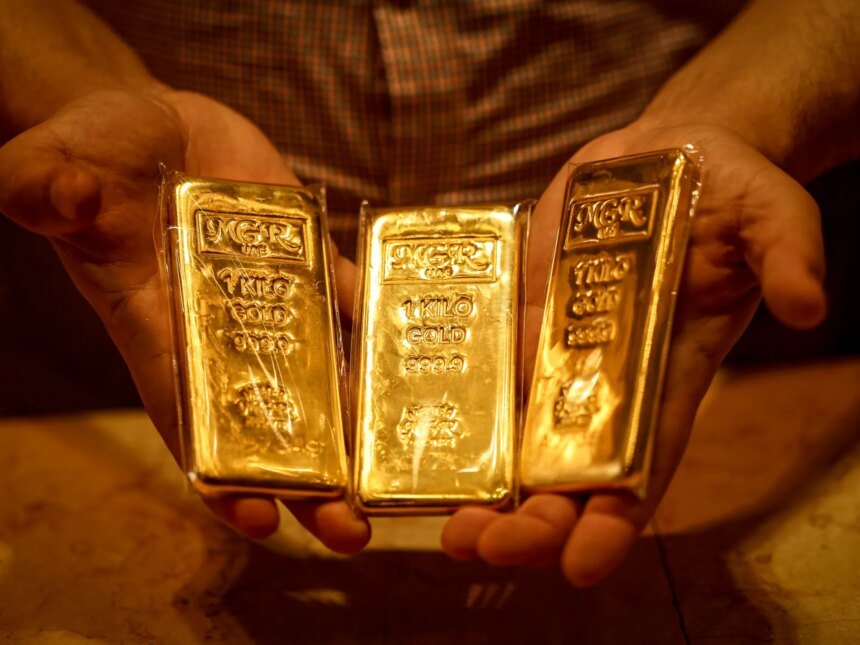
Gold prices rose in Thursday’s trading, while oil prices continued to decline, while the dollar stabilized as investors awaited US jobs data that may shape the direction of the Federal Reserve’s monetary policy.
The moves came at a time when inflation fears were eased by weak employment data and lower energy prices, as markets awaited the non-farm payrolls report scheduled for release later today to obtain clearer indications about the path of US interest rates.
Read also
list of 2 itemsend of list
Gold rose in spot transactions to about $4,068.61 per ounce, up 0.92%, at the time of writing these lines, after touching its highest levels since June 23 in the previous session, while US gold futures contracts for August delivery rose to $4,082.70 per ounce.
Gold’s rise came after data showed that the US private sector added 98,000 jobs during June, a level lower than economists’ expectations of 118,000 jobs, which reinforced investors’ bets on a slowdown in the labor market.
Reuters quoted Nicholas Vrabel, director at ABC Refinery, as saying that the market is cautious about short selling at this low level, adding, “We are witnessing a few attempts to test the downward trend, and they are rejected very quickly.”

Vrabel added that ADP’s jobs data came slightly below expectations, which may explain gold’s rise, as some investors believe that this data will be reflected in non-farm payrolls numbers.
According to the CME Group’s Fed Watch tool, markets expect approximately 64% of a rate cut in September, while investors are awaiting the non-farm payrolls report scheduled for release today.
In other precious metals, silver rose to about $59.74 per ounce, platinum rose to $1,622.30, and palladium increased to about $1,230.
Oil is falling
On the other hand, oil prices continued their losses after Qatar announced progress in the indirect talks between the United States and Iran, which focused on the security of navigation in the Strait of Hormuz, through which about 20% of global oil supplies passed before the war.
The Qatari Ministry of Foreign Affairs said that the talks resulted in “positive progress” on issues related to the memorandum of understanding signed in Islamabad in June, although there were no signs of reaching a lasting peace.
Brent crude fell to about $71.03 per barrel, down 0.75%, while US West Texas Intermediate crude fell to about $68.01 per barrel, down 0.83%, at the time of writing these lines.

Haitong Futures said in a note that the continued flow of oil through the Strait of Hormuz enhances competition for market shares and pushes prices down, in light of increasing expectations of a surplus in supplies.
The pressure increased after reports that the OPEC+ alliance was heading, during its upcoming meeting on Sunday, to approve a new increase in production targets, starting in August, by about 188,000 barrels per day.
The dollar awaits the jobs report
In the currency market, the dollar stabilized as investors awaited the US jobs report, while the Japanese yen remained close to its lowest levels in four decades, which kept the markets in a state of anticipation for the possibility of Japanese authorities intervening to support the currency.
The dollar index fell to about 101.18 points, down 0.21%, while the dollar recorded about 162.21 yen at the time of writing these lines.
Economists polled by Reuters expect the report to show the addition of 110,000 jobs during June, with the unemployment rate stabilizing at 4.3%.
Federal Reserve Chairman Kevin Warsh said that inflation expectations and price risks have declined over the past weeks, while Akihiko Yoko, chief analyst at Mitsubishi UFJ Bank, said that “if the jobs data exceeds market expectations, the dollar may rise at a faster pace.”
The yen recorded 162.84 yen to the dollar during overnight trading, its lowest level in about 40 years, before trimming some of its losses, while traders expect that the US market holiday on Friday will represent a potential opportunity for Japanese authorities to intervene in light of the decline in liquidity.
The attention of global markets is directed to US jobs data, as it is the most influential factor in determining US interest trends, and the resulting movements in the gold, oil and currency markets during the coming period.