

Published On 7/3/2026
|
Last update: 18:01 (Mecca time)
China called – today, Friday – to “stop spreading lies” regarding its new law called the “Promoting Racial Unity and Progress” law, against the backdrop of warnings issued by American legislators, the United Nations, and human rights organizations that it threatens the freedom of minorities.
On Wednesday, July 1, the new law entered into force in China, and aims – according to Beijing – to formulate a “shared” national identity between ethnic groups and “strengthen cohesion” in Chinese society, while activists consider that it undermines the rights of minorities, such as the Uyghurs and Tibetans, whom human rights organizations accuse Beijing of persecuting.
Critics of the law point to a clause that stipulates that violators can be prosecuted outside China, which gives the government an additional pretext to target its opponents abroad, according to these critics.
The Chinese Foreign Ministry comments
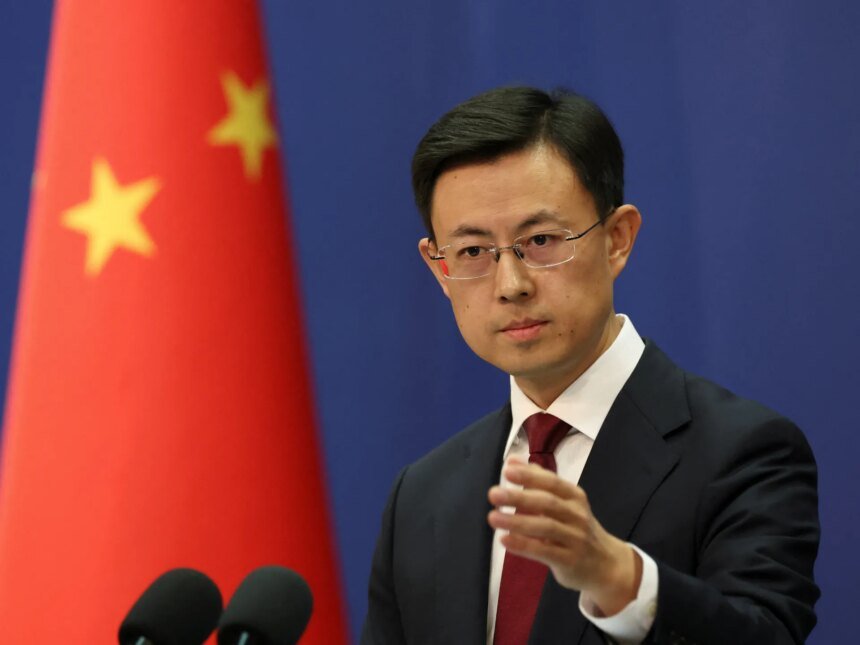
On Friday, Chinese Foreign Ministry spokesman Guo Jiaqun accused “some countries” of making “broad generalizations and maliciously distorting China’s ethnic policies.”
Without naming these countries, the Chinese Foreign Ministry spokesman urged the countries concerned to respect the facts, stop spreading lies, and stop exploiting so-called ethnic issues and providing them as an excuse to interfere in China’s internal affairs.
Beijing denies committing any violations against minorities, stressing that its policies enhance internal security and economic development for all groups.
Fears of violations
The Chinese Foreign Ministry spokesman’s statements came after 9 American lawmakers expressed their strong opposition to the law, pledging to continue criticizing what they described as Beijing’s attempt to “legitimize cross-border repression.”
The United Nations High Commissioner for Human Rights, Volker Türk, called for the law to be repealed, warning before the international organization’s Human Rights Council in Geneva that it risked “deepening restrictions imposed on the freedoms of language, education, religious and cultural rituals, expression, and assembly.”
As for Taiwan, the self-governing island over which China claims sovereignty, she said that the law would also lead to an expansion of “threats and intimidation against our people and the people of other countries.”
A Tibetan burns himself near the United Nations
On the other hand, police in New York City, United States, reported that a man died from severe burns near the United Nations headquarters. Activists and a media outlet for Tibetans in exile said that the man was from Tibet and set himself on fire in a call for independence, yesterday, Thursday.
Voice of Tibet, a station concerned with Tibetans in exile, said the activist “set himself on fire outside the United Nations headquarters in New York after appealing for the independence and unity of Tibet.”
China took control of Tibet in 1950 in what it described as a “peaceful liberation” from a feudal system, but international human rights organizations and exiles have continued to denounce what they describe as oppressive Chinese rule in Tibetan regions, which Beijing absolutely rejects.