

Published On 7/3/2026
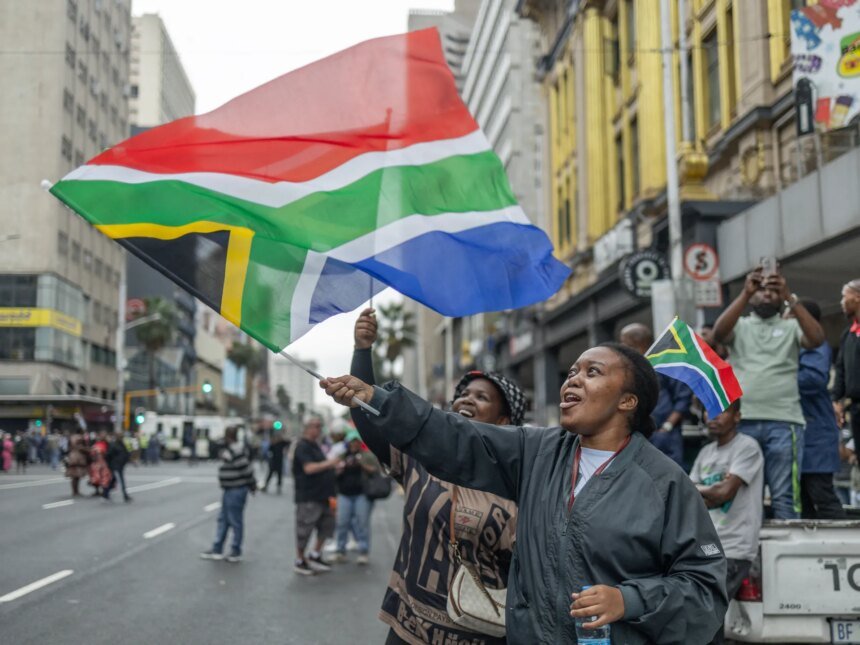
The Nigerian government evacuated 269 of its citizens from South Africa, coinciding with anti-immigrant protests that spread across several South African cities on June 30, the date set by anti-immigration groups for undocumented foreigners to leave the country, in a crisis whose internal and regional repercussions expanded and reached the corridors of the African Union.
Shops and shops were closed in South African cities and police were deployed in the streets as demonstrators gathered, and anti-immigration groups promoted claims, which the government described as false, that undocumented migrants would face arrest and deportation if they did not leave on time, but thousands were forced to flee nonetheless.
President Cyril Ramaphosa said the right to protest “does not permit anyone to threaten or intimidate others or engage in acts of vandalism or violence,” adding: “Whatever the motive, taking the law into one’s own hands is mob justice.”
Agence France-Presse reported that two Mozambicans and citizens of Ethiopia and Malawi were killed in anti-immigrant violence during the past weeks, while thousands of foreigners were sleeping around consulates and shelters seeking protection, and others reported being expelled from their homes or fired from their jobs.
Although the authorities described most of Tuesday’s demonstrations as peaceful, incidents of violence and looting were recorded, according to the newspaper “West African Pilot News”, which reported stones being thrown at homes inhabited by migrants in the Yeovil neighborhood in Johannesburg, and protesters moving between homes in Germiston to remove suspected foreigners, in addition to arrests in connection with looting in Soweto and the KwaZulu-Natal province. The leader of the “Marsh and March” movement, Jacinta Ngobezi Zuma, announced that the movement will demonstrate every Thursday for six months to force the government to “get rid” of the remaining undocumented immigrants.
For its part, the South African authorities confirmed that about 25,000 undocumented immigrants have already been returned to their countries, while thousands more are waiting in temporary camps to be transferred to their homelands.
Nigerian air bridge
West African Pilot News reported that Tuesday’s flight carried out by Air Peace raised the number of returnees within the voluntary evacuation program approved by Nigerian President Bola Ahmed Tinubu to about 600, after two previous flights returned more than 320 people last June, while the Nigerian Ministry of Foreign Affairs confirmed that additional flights will arrive in the coming days to transport everyone who registered their names and completed screening procedures.
The latest escalation was preceded by accumulated diplomatic tension. Abuja had earlier summoned the Charge d’Affaires of the South African High Commission, Lesole Mashile, to demand accountability for the deaths of two Nigerians who it said were assaulted by South African security personnel. Tinubu also ordered the establishment of a crisis notification unit within the Nigerian missions there, while the Nigerian House of Representatives proposed a temporary suspension of the licenses of South African companies operating in Nigeria. Nigerian Foreign Minister Bianca Odumegwu-Ojukwu had accused the Pretoria government of failing to condemn violence against Nigerians, and said that retaliatory measures were “under consideration.”
At the continental level, Nigerian Minister of State for Foreign Affairs, Sola Enkanwolaye, called on the African Union to place xenophobic attacks against Africans, especially Nigerians in South Africa, at the top of its peace and security agenda, stressing that “no African should feel insecure anywhere on the continent,” while receiving a high-ranking delegation from the African Peace and Security Council in Abuja, according to the Nigerian newspaper Vanguard.
The Minister described these attacks as “unacceptable and contrary to the ideals of African unity, solidarity and integration on which the Union was founded,” calling on member states to address migration challenges through comprehensive governance, economic development and expanding opportunities for their citizens.