

Published On 2/7/2026
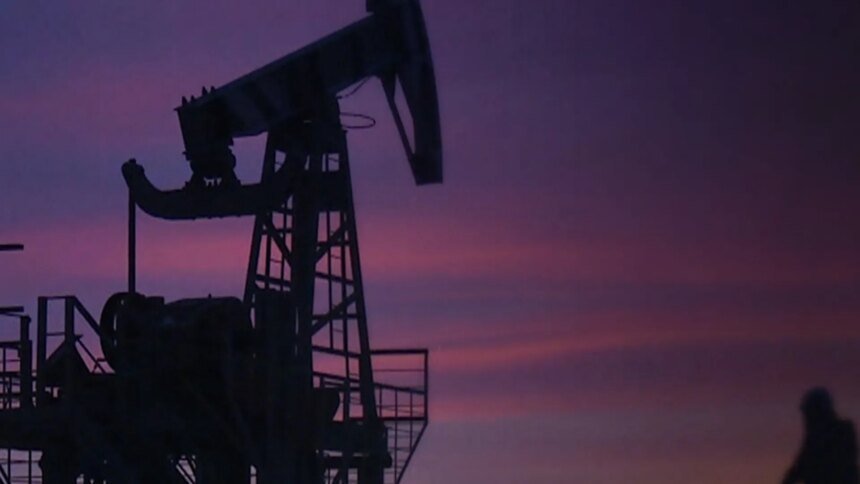
Global energy markets ended trading in the second quarter of this year with a decline in their price indices, driven by the conclusion of direct US-Iranian talks in the Qatari capital, Doha, which focused mainly on the future of navigation security in the Strait of Hormuz.
The positive atmosphere emerging from the Qatari mediation rounds resulted in a decline in fears in the markets, after the truce understandings contributed to reducing the intensity of field tension.
According to digital indicators monitored by Al Jazeera, Brent crude recently stabilized near the level of $70.65 per barrel, recording its lowest decline in 4 months.
This decline came to complete the overall decline of 38% since the signing of the framework memorandum of understanding last June 17, which is the largest quarterly decline witnessed by the energy sector since the Corona pandemic.

Vector malfunctions tracking devices
In his technical reading of the field scene, oil and energy affairs expert Amer Al-Shoubaki explained that the Strait of Hormuz – which represents the strategic artery for about 20% of global oil supplies – is currently described as semi-open.
Al-Shoubaki reported that the transit movement recorded an improvement with the passage of 38 tankers of oil, petroleum materials and fertilizers in one day, as the movement was divided between 5 ships that crossed the international route, 7 that crossed the Iranian route, and 16 ships that chose to cross via the southern Omani route.
Al-Shoubaki pointed out that the official numbers do not reflect the full reality of the volume of flows, as many oil tankers have recently been disabling global positioning devices (GPS) and electronic tracking systems while crossing the strait to avoid censorship, and passing their shipments disguised under the auspices and insurance of the American side.
Under these understandings, Tehran pumped about 50 million barrels of its oil during the past two weeks, at a daily flow rate of 1.66 million barrels, which guarantees Iran financial returns ranging from 8 to 10 billion dollars within the 60-day deadline set for detailed negotiations.
Alternative sea routes
At the strategic level, Bloomberg reports dealt with international data indicating that activating and securing alternative maritime routes succeeded in pumping an additional 5 million barrels per day of oil supplies into global markets, which limited Tehran’s ability to mortgage the global economy through the threat of closure.
In the same context, US Cushing inventories recorded an increase for the first time in 10 weeks, despite remaining below levels of 20 million barrels.
These successive price declines serve the goals of US President Donald Trump in his domestic plan against inflation rates, as Trump seeks, through pressure to reduce the prices of fuel and oil derivatives, to direct the decisions of the Federal Reserve (the US Central Bank) to reconsider future interest rates, which affects levels of economic confidence and leads the markets towards a new equilibrium point.
At the conclusion of his speech, Al-Shobaki expected that the downward curve of Brent crude prices would continue during the coming period, targeting the barrier of $60 per barrel, despite the fact that marine insurance rates for tankers would remain at higher levels than their normal rates due to the remaining elements of uncertainty.