Published on 6/20/2026
Centuries after the end of the transatlantic slave trade, one of the most sensitive historical issues returned to the forefront in the Ghanaian capital, Accra, where the World Summit on Compensation for Slavery and Historical Justice concluded, amid African demands to establish a practical framework to compensate societies that still suffer from the effects of that era.
Over the course of three days, the summit participants discussed the repercussions of decades of enslavement and colonialism, demanding to limit the damage left by this stage, and to move from the stage of recognizing historical crimes to establishing clear mechanisms to achieve what they described as compensatory justice.
At the forefront of those calling for this path is Ghanaian President John Dramani Mahama, who said that the next stage must go beyond symbolic recognition, towards building a clear structure for compensation justice that ensures that international decisions are transformed into practical results.
Mahama stressed that what is required is to maintain the momentum that resulted from the recent United Nations resolution, and work to translate international recognition into concrete steps that address the effects of the past.
The African move comes after the United Nations General Assembly adopted a resolution last March with a majority of 123 votes, which considered the transatlantic slave trade one of the most heinous crimes against humanity, and called for official apologies and compensation to the communities harmed by this era.
Historical estimates indicate that about 12.5 million Africans were kidnapped and transported across the Atlantic Ocean during the slave trade, of whom more than 10 million survived and were distributed to colonies in the Americas and the Caribbean.
The legacy of slavery
The United States was one of the most prominent destinations to which enslaved people arrived, as estimates indicate that about 400,000 Africans arrived there since 1619, before the number increased as slavery continued and was passed down through generations, reaching about four million enslaved people by 1860.
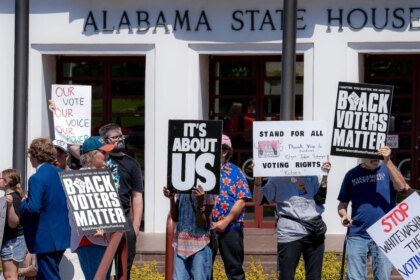
Despite the passage of centuries since that era, the issue of compensation is still strongly present, especially in the United States, where large sectors of black Americans demand that the issue be re-raised every presidential election season, as it is linked to social and economic effects that still exist.
Those demanding compensation believe that slavery was not just a historical event that ended with its legal end, but rather left extended economic and social gaps between generations, and that addressing these effects requires steps that go beyond apologies to practical measures.
But the idea of compensation faces complex questions, even among its supporters, most notably how to determine the beneficiaries, the nature of compensation, and who bears responsibility for crimes that occurred hundreds of years ago.
While African countries seek to build a unified position to push for historical justice, the debate remains open about how to transform the legacy of the past into policies that address effects that are still present in the lives of millions of people around the world.