Published on 6/17/2026
|
Last update: 20:18 (Mecca time)
Total Energies CEO, Patrick Pouyanné, said that the increase in liquefied natural gas production in the United States is not enough to compensate for Qatari supplies to Europe during next winter, warning that gas prices may remain high if Qatari exports are not fully resumed.
During a hearing before the Economic Affairs Committee of the French Parliament regarding the Middle East crisis, Pouyanné explained that the return of liquefied natural gas supplies from Qatar represents a priority for European markets, noting that its absence will limit the pace of decline in gas prices compared to the decline witnessed in oil prices following the US-Iranian agreement.
Read also
list of 3 itemsend of list
Pouyanné stressed that the American expansion in liquefied gas production provides additional support to global markets, but it cannot replace the Qatari quantities directed to Europe during periods of peak winter demand.
He added that the resumption of Qatari gas flows will remain a major factor in calming European energy prices in the coming months.
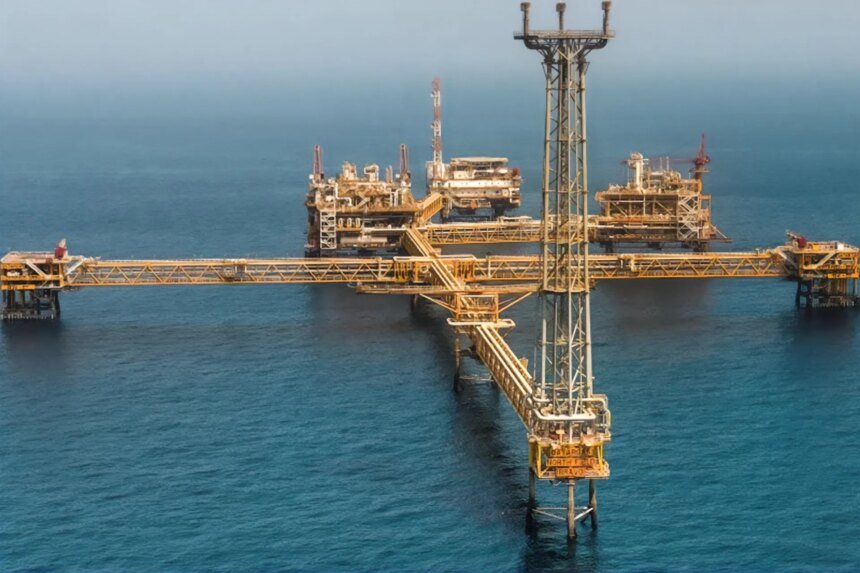
Qatar is the second largest exporter of liquefied natural gas after the United States, with an annual production of 205.7 billion cubic meters of natural gas, representing approximately 6.5% of the total global production. Qatar also accounts for about 20% of global liquefied gas trade.
The largest proportion of Qatar’s LNG exports go to Asian markets, as Asia accounts for about 82% of total exports, while Europe obtains approximately 10% of its LNG imports from Qatar.
Continuous damage
In the regional energy file, Pouyanné revealed that the SATORP refinery in Saudi Arabia, affiliated with Total Energies, is still operating at about 70% of its capacity after being subjected to three drone attacks during the war.
He pointed out that the repair work will not be completed before the beginning of 2027, which means that the damage will continue to affect the refinery’s production capacity for a long time.
He explained that reopening the Strait of Hormuz after the US-Iranian agreement helps alleviate the global energy crisis, but it does not immediately address the effects of the damage to a number of major refineries in the Middle East, which supplied Europe with large quantities of diesel and jet fuel before the war.
He pointed out that reopening the Strait of Hormuz after the US-Iranian agreement helps alleviate the global energy crisis, but it does not immediately address the effects of the damage to a number of major refineries in the Middle East, which supplied Europe with large quantities of diesel and jet fuel before the war.
Dividend tax controversy
The parliamentary hearing also touched on proposals to impose a tax on the exceptional profits of energy companies, in light of the rise in Total profits recorded during the war period.
Pouyanné said that the company was the only one in France that voluntarily imposed a ceiling on fuel prices at its stations in support of consumers, warning that any additional taxes must be compatible with international treaties to avoid double taxation.
He added that the gains the company achieved from increasing its market share due to the price ceiling were offset by financial losses resulting from selling fuel inside France at prices lower than market levels.
Pouyanné’s statements come at a time when energy markets continue to evaluate the repercussions of the recent war on global supplies, amid expectations that the path of gas prices during the coming winter will depend largely on the speed of the return of Qatari exports and the restoration of the region’s energy infrastructure to its full operational capacity.