Published on 6/17/2026
The leaders of the G7 countries called for an immediate ceasefire in Lebanon, expressing at the same time their welcome to the temporary agreement reached by the United States of America and Iran to end the conflict, which includes extending the truce announced in April by 60 days to make way for talks to reach a permanent truce.
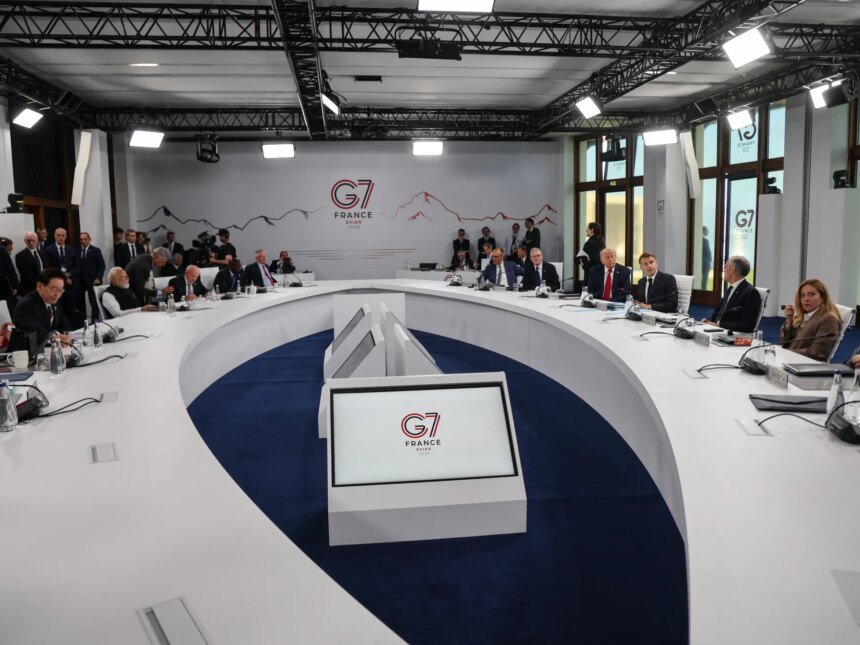
The leaders met during a summit held in the French city of Evian-les-Bains on Lake Geneva, as the repercussions of the war between Washington and Tehran took center stage.
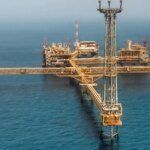
Details of the agreement are expected to be officially revealed on Friday, which will also lead to the reopening of the Strait of Hormuz and an end to the US blockade of Iranian ports.
In terms of energy supplies, the group’s leaders announced their commitment to accelerating the diversification of energy routes to reduce global dependence on the Strait of Hormuz, in response to the recent tensions, which was reflected in the markets, as oil prices recorded a noticeable decline, bringing Brent crude futures contracts to below $80 per barrel.

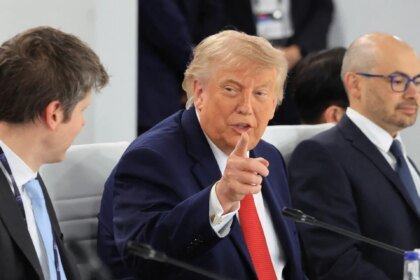
In the context of diplomatic discussions, the summit allowed US President Donald Trump to present the features of the agreement to his allies in Britain, Canada, France, Germany, Italy and Japan.
While the leaders stressed in their statement the need to address Iranian threats and ensure that Tehran does not obtain a nuclear weapon, they expressed their willingness to contribute to the implementation of the agreement, with a view to forming a British-French alliance to secure navigation immediately after the reopening of the Strait of Hormuz.
On the other hand, the terms of the agreement – which have not yet been officially published – indicate that Washington will exempt Iranian oil from sanctions, and also includes the establishment of a $300 billion reconstruction fund financed by the Gulf states, on the condition that Iran adheres to the specific terms.
However, Trump faces potential domestic criticism, especially since the agreement did not guarantee the destruction of Iran’s ballistic missile capabilities or stop support for regional militias.
The fate of Lebanon and the challenges of the truce
The Lebanese crisis remains one of the most complex issues in the process of calm. While the leaders of the G7 countries called for an “immediate ceasefire” in Lebanon and the disarmament of Hezbollah, Israeli forces are still occupying parts of southern Lebanon following their invasion of the region last March.
Trump expressed his dissatisfaction with Israeli Prime Minister Benjamin Netanyahu’s management of the war file, stressing at the same time Washington’s support for Tel Aviv.
On the other hand, Iran insists that any permanent agreement must guarantee an Israeli withdrawal from Lebanese territory, which is rejected by Israel, which confirms that it reserves the right to use military force.