Published on 6/16/2026
Gazan families suffer from multiple aspects of suffering. In their plastic tents, they not only suffer from the high summer heat, which turns the tents into fabric ovens, but the conditions have worsened to the point where living in tents has come at the expense of the dignity of those who live in them.
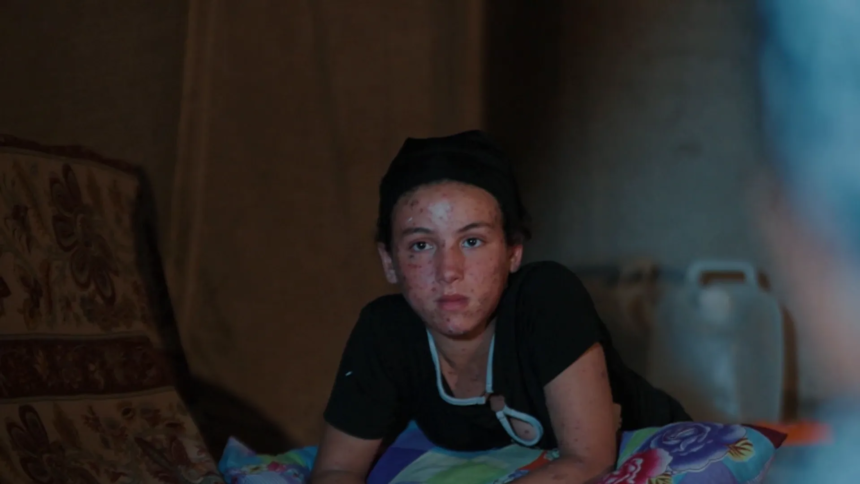
After the occupation crammed the people of Gaza into 30% of the area of the Strip after expanding the yellow zone, the tents became a fertile environment for the spread of diseases and insects. Piles of waste piled up between the tents, and sewage leaked between the tents of the displaced, making the place an ideal environment for the spread of rodents, and posing a daily threat to the health of thousands of children who were infected with skin and infectious diseases.
What exacerbates the difficult situation is that the Israeli occupation prevents the entry of pesticides.
In a field report from among the tents in Gaza, Al Jazeera correspondent Ghazi Al-Aloul monitors the details of the living situation there, and Gaza Municipality spokesman Hosni Muhanna confirms that the city is facing a real crisis as a result of the spread of insects and rodents on a very large scale, and the genocidal war caused a large accumulation of waste; The volume of solid waste accumulated in the city center reached more than 370 thousand tons, in addition to more than 25 million tons of rubble.
In contrast to the dry language of numbers, children are the first victims of these conditions, as mothers complain with sorrow that their children’s small bodies suffer from various skin diseases that have begun to ravage their bodies. Everything contained in the tent is infested with diseases, insects, or rodents that inhabited the corners of the tents and spread like a heavy guest casting its shadow on the children’s skins.

Government services such as garbage collection stopped with the start of the war, then partially returned late last year, but the massive scale of destruction means that any more comprehensive clean-up operation will remain difficult in the near future.
The occupation prevents local municipalities from accessing the main waste dumps in Gaza in Al-Fukhari, east of Khan Yunis, in the south of the Strip, and Juhr Al-Dik, east of Gaza City.
Children live a continuous and continuous daily battle with pain, itching, and high temperature without relief, as families are completely unable to provide the simplest treatments and ointments to alleviate the repercussions of these skin dissections and infections that have spread abnormally.
Although the solution to this worsening environmental and health crisis appears simple on the surface, the simplest means of confrontation are not available due to the strict restrictions. The occupation deliberately prevents the introduction of pesticides and means of controlling rodents, which has made efforts and tools to confront the disaster limited and very insignificant in the face of the accelerating pace of reproduction of these creatures within the areas of displacement, so that the bitter question that is repeated on the lips of the afflicted people of Gaza remains: How long will the suffering continue?
Israel refuses to allow the entry of equipment necessary to restore infrastructure or provide basic means of life for the residents of the Gaza Strip, in violation of the ceasefire agreement in place since the beginning of last year.