Published on 6/16/2026
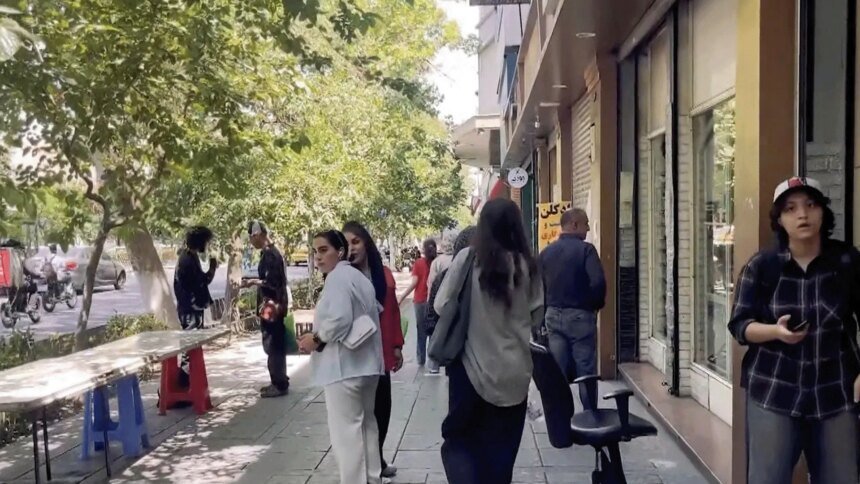
In the streets of Tehran, between cautious anticipation and hopes for a less tense phase, Al Jazeera monitored the opinions of Iranians regarding the agreement announced between their country and the United States, amid questions about its repercussions on the country’s future after a period of tension and war.
Al Jazeera correspondent Adnan Al-Bourini pointed out that talk about the end of the war has become one of the most widely used phrases in Iran in recent days, but he explained that the state of uncertainty is still present despite the positive atmosphere raised by the news of the agreement.
Al-Bourini said that the agreement created a space of optimism for some, but at the same time it opened the door to many questions about the next stage, and whether it will lead to tangible change at the political, economic and social levels.
Speaking to Al Jazeera, an Iranian citizen expressed her satisfaction with the idea of the war ending, saying: “The end of the war is a good thing. I do not want to see a mother cry for her son. No mother should be sad or worried if her son is alive or injured.”
On the other hand, another citizen reflected on the daily economic pressures, saying: “I am just a worker, and workers are crushed whether the country is at war or at peace.”
Different positions
The report explained that the Iranians do not agree on a single reading of the agreement or evaluate its potential results, as positions vary between those who see it as an opportunity to alleviate crises, and those who consider it a limited step that does not address the roots of the problems.
One citizen told Al Jazeera: “I am not optimistic about the agreement at all. We were on the verge of winning the war and we were ahead. I am very concerned about the outcome of this matter. Our position was better.”
While another citizen expressed doubts about the feasibility of political agreements based on previous experiences, saying: “The agreement alone does not lead the country towards progress if we take into account previous experiences such as the nuclear agreement or previous negotiations that did not lead to improving the situation, but rather to the outbreak of war.”
The Al Jazeera correspondent concluded his report by noting that the economy, politics, and society today constitute overlapping arenas of discussion and disagreement within Iran, where opinions differ regarding the path and details, while the common destiny remains the meeting point that brings together Iranians awaiting what the next stage will reveal.
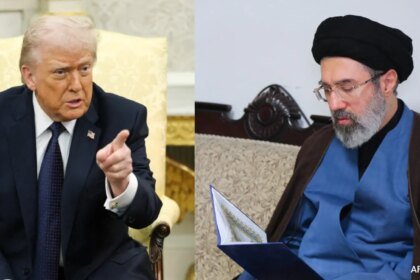
On Sunday, the United States, Iran, and Pakistani mediation announced that Washington and Tehran had reached an agreement on a memorandum of understanding to end the war that Washington and Tel Aviv started against Tehran on February 28.
While Trump announced on Monday that his country and Iran had already signed the agreement and that the Strait of Hormuz would be “completely open” starting Friday, Tehran merely said that the signing of the memorandum would take place in the Swiss city of Geneva on Friday.