Published On 5/24/2026
The New York Times revealed a noticeable decline in the status of Israeli Prime Minister Benjamin Netanyahu within the US-Israeli coordination process regarding the war with Iran, after he presented himself as a key partner to US President Donald Trump in managing the military and political confrontation with Tehran.
According to the report prepared for the newspaper by David Halffinger and Ronen Bergman, Netanyahu entered the war believing that joint strikes between the United States of America and Israel might lead to the overthrow of the Iranian regime and an end to its nuclear program once and for all.
Read also
list of 2 itemsend of list
He appeared as a direct partner
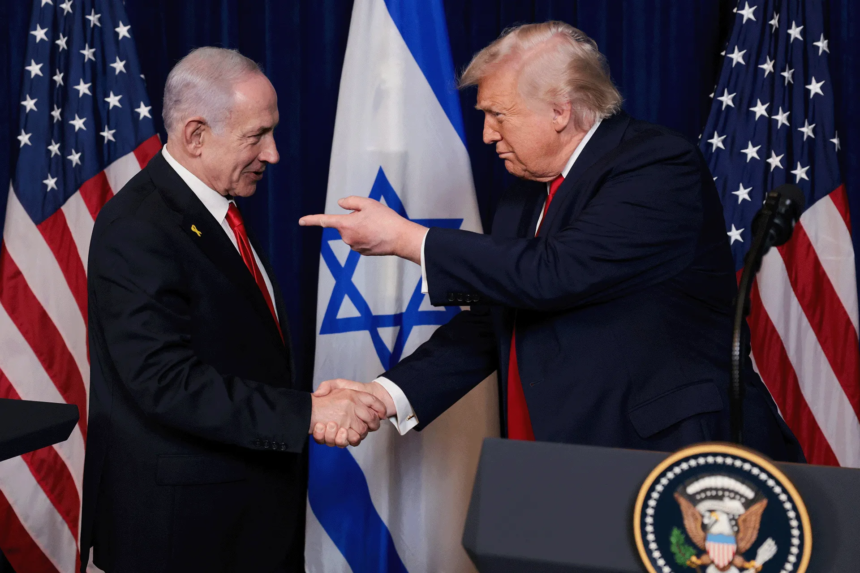
During the early stages of the escalation, Netanyahu appeared as if he were a direct partner with Trump in decision-making, and he even spoke publicly about almost daily contacts between them to coordinate political and military steps.
The writers pointed out that the scene changed quickly after the major goals of the war faltered, and Washington began moving towards a truce agreement with Iran. They stated that the American administration gradually distanced Israel from the details of the negotiations, to the point that Israeli officials were forced to rely on intelligence channels and regional communications to find out what was going on between Washington and Tehran.
The war showed a growing difference in priorities between the two sides, especially after Iran closed the Strait of Hormuz and the rise in oil prices, which prompted Trump to give priority to stopping the fighting instead of continuing escalation.
Political hit
The report believes that this shift represents a political blow to Netanyahu, who built a large part of his internal image on his special ability to maintain an exceptional relationship with American presidents, especially Trump. However, the war showed a growing difference in priorities between the two sides, especially after Iran closed the Strait of Hormuz and the rise in oil prices, which prompted Trump to give priority to stopping the fighting instead of continuing escalation.
The authors explain that Israel entered the war with three main goals: to overthrow the Iranian regime, destroy the nuclear program, and end the ballistic missile program. However, none of these goals were achieved decisively. Indeed, subsequent American proposals talked about freezing Iranian nuclear activity for a specific period of time instead of ending it completely, which brought to mind the nuclear agreement that was signed by the Barack Obama administration in 2015 and which Netanyahu strongly opposed at the time.
Israeli fears
The report indicates Israeli concerns that any new agreement may lead to an easing of economic sanctions on Iran, allowing Tehran to rebuild its military capabilities and support its regional allies such as Hezbollah.
On the military side, the report reveals that Israel carried out several strikes against Iranian oil and gas facilities after prior coordination with Washington, but the Trump administration was later quick to disavow some of these operations or criticize them publicly due to fears of expanding the war and threatening global energy supplies.
The report also pointed out that Washington stopped other Israeli plans, including a proposal to use Kurdish fighters inside Iranian territory, after Trump had expressed initial support for the idea before later withdrawing from it.
Go to the executor’s site
The authors believe that Israel has gradually moved from the position of “equal partner” to a position closer to that of the implementer of American policies, especially with its increasing military and political dependence on American support. They cited statements by Israeli Defense Minister Yisrael Katz in which he said that his country was “just waiting for the green light from the United States.”
At the conclusion of the report, the authors point out that over time, Netanyahu was forced to modify his political discourse and war goals, moving from talking about completely eliminating the Iranian threat to focusing on the strength of the alliance with the United States as the most important achievement. They believe that this shift reflects a growing realization within Israel that the future of the confrontation with Iran is now subject to a greater extent to American calculations than to the Israeli vision itself.