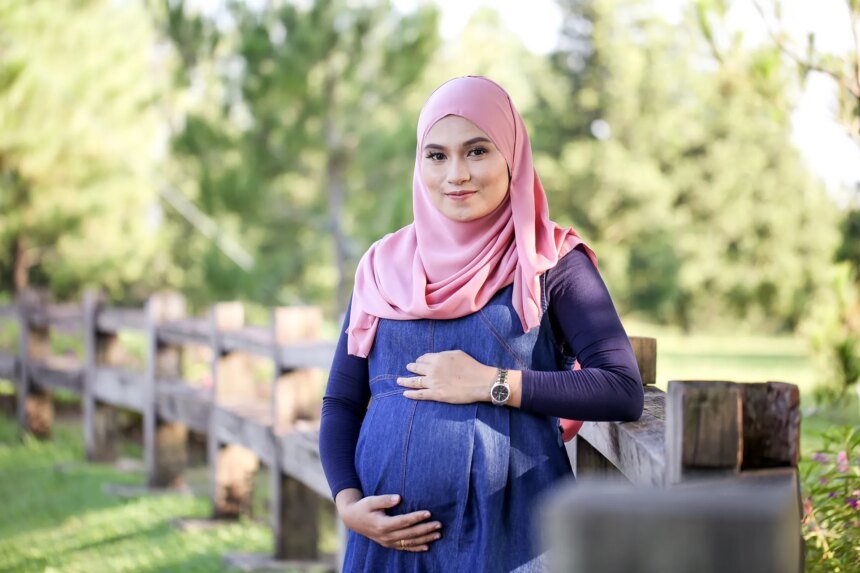
A child’s health does not begin from the moment of birth, but much before that, from his mother’s womb. During the months of pregnancy, important features of the fetus’s healthy future are formed, starting with the development of the brain and nervous system, through the formation of bones, blood, and immunity, all the way to the possibility of contracting some diseases in later stages of life.
The matter is not limited to nutrition alone, as the mother’s physical, psychological, emotional and social health is an essential part of the care that the fetus needs. Therefore, taking care of the mother becomes important, starting from the planning stage of pregnancy, and extending throughout pregnancy until birth.
Al Jazeera Net spoke with Dr. Hassan Jaafar, Professor of Obstetrics and Gynecology and Consultant in Fetal Medicine at Kasr Al Aini Faculty of Medicine, about the relationship between maternal nutrition and fetal health, the most important elements needed for a healthy pregnancy, and common misconceptions about pregnant women’s food.
Maternal nutrition and fetal health
Dr. Hassan Jaafar confirms that the relationship between the pregnant mother’s nutrition and the health of the fetus is “very close,” because the fetus is completely dependent on its mother to obtain the vitamins, minerals, and micronutrients it needs.
He says that the mother is the only source of nutrition for the fetus, and therefore malnutrition or a lack of some basic elements may negatively affect its growth, weight, and development of its organs, and may also affect its mental development and future health.
According to Jaafar, taking care of a pregnant woman’s nutrition does not mean overeating, but rather it means choosing food that is balanced and rich in the elements that the fetus needs at every stage of its development.
Folic acid…a small element with a big impact
The professor of obstetrics and gynecology explains that there is a group of vitamins and minerals necessary for the healthy growth of the fetus, the most important of which is folic acid, or vitamin B9, which plays an essential role in completing the development of the fetus’s nervous system and preventing some of the deformities associated with it.
It also points out the importance of iron in blood formation and preventing anemia, calcium in building bones and teeth, and omega-3 in supporting the growth of brain and eye cells, in addition to iodine, which is necessary for thyroid function, and choline and zinc, which are among the important elements for healthy and balanced growth.
Dr. Jaafar believes that the phrase “a child’s health begins from his mother’s womb” is not just a metaphorical expression, but rather a medical reality to a large extent.

The myth of “eating for two”
One of the most widespread concepts among pregnant women is the belief that a pregnant woman should “eat for two.” But Dr. Hassan Jaafar confirms that this statement is inaccurate, explaining that pregnant women do not need to double the amount of food, but rather improve its quality.
He says that the additional need often does not exceed about 300 calories per day starting in the fourth month, taking into account the mother’s weight before pregnancy and her health condition.
The recommended weight gain during pregnancy varies from one woman to another, but it usually ranges between 6 and 16 kilograms, depending on the pre-pregnancy weight and the doctor’s estimate.
Jaafar advises pregnant women to avoid undercooked foods, reduce starches and sugars, limit caffeine as much as possible, avoid unpasteurized cheeses, and not eat too much liver, while reducing the consumption of some types of tuna due to the possibility that they contain levels of mercury.
The fetus’s immunity begins from its mother’s womb
The impact of maternal nutrition does not stop only on the growth of the fetus, but also extends to its immune system. According to Dr. Hassan Jaafar, everything that affects the mother’s health is reflected in her fetus, whether positively or negatively.
He emphasizes that the mother’s access to a balanced diet rich in minerals, vitamins and Omega-3 helps support the fetus’s immunity and prepares it for a healthier start after birth.
Jaafar also points out the importance of some vaccinations that are recommended to pregnant women during pregnancy to protect the infant after birth, including the respiratory syncytial virus vaccination in the eighth month, which helps reduce the risk of the newborn contracting respiratory infections that may be severe in the first months of his life.
How to program the health of the fetus before birth?
The fetal medicine consultant believes that the mother’s lifestyle during pregnancy may have a long-term impact on the child’s health. Excessive weight gain, excessive sugar intake, and malnutrition are all factors that may increase the child’s risk of later developing health problems such as obesity, diabetes, high blood pressure, and heart disease.
He explains that some disease predispositions, such as allergies or diabetes, may be transmitted or affected by genetic and environmental factors, but the mother’s nutritional pattern and health care during pregnancy can increase or decrease the risks.
He also points out that some studies have linked caesarean section to a higher risk of children suffering from chest allergies compared to those born naturally, stressing that the decision on the type of birth must always be subject to medical evaluation and the condition of the mother and fetus.
Nutritional advice for pregnant women
Balance in food is more important than its quantity. A pregnant woman does not need to overeat as much as she needs to diversify food sources and obtain the basic elements that her body and fetus need.
It is recommended to regularly eat three main meals a day, in addition to two or three healthy snacks, while making sure to drink sufficient amounts of water, often ranging between 8 and 10 cups a day, unless the doctor recommends otherwise.
Folic acid is one of the most important elements that pregnant women need, because of its role in protecting the fetus’s nervous system from some deformities. You should also pay attention to foods rich in iron to prevent anemia and improve oxygen access to the fetus.
The pregnant woman also needs good sources of calcium, such as milk and its derivatives, sesame, and sardines, to support the building of the fetus’s bones and teeth, in addition to the protein found in meat, poultry, eggs, and legumes, because it is an essential element in the growth of fetal tissues.
As for Omega 3, it is important for supporting the development of the brain and nervous system, and it can be obtained from fish such as salmon and sardines, in addition to walnuts. Vitamin D should also be taken into account because of its role in enhancing calcium absorption and supporting immunity, whether through safe exposure to sunlight or through some foods and supplements after consulting a doctor.
Fresh vegetables, fruits, whole grains, and dairy products, in balanced quantities, remain among the most important elements of a pregnant woman’s daily diet. It is also possible to engage in light physical activity, provided that this is based on the advice of a doctor and depending on the state of pregnancy.

The mother represents the first line of health defense for her fetus. A balanced diet, regular medical follow-up, avoiding wrong eating habits, and adhering to the supplements and vaccinations prescribed by the doctor are all elements that not only protect the pregnancy, but may also contribute to shaping a better, healthy future for the child.
What happens inside the womb does not end with birth, but may accompany the child in the later stages of his life. Therefore, maternal care is not a luxury, but a direct investment in the health of the next generation.