Published On 7/7/2026
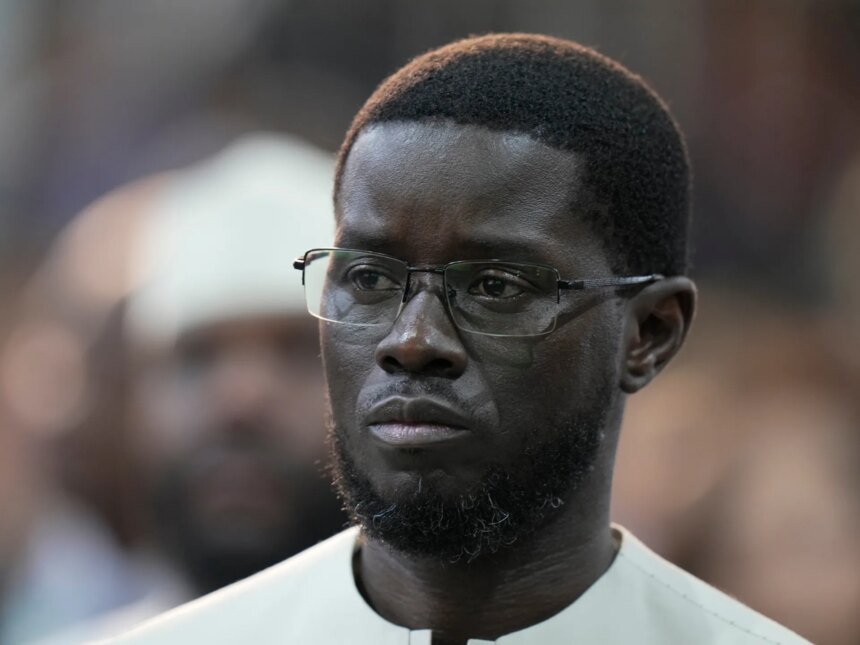
The President of Senegal, Basserou Diomai Fay, announced his intention to establish his own political party, in a move described by African news sites as consolidating the political break with the sacked Prime Minister and Speaker of the National Assembly, Ousmane Sonko, who is also the head of the Pastif Party.
The announcement comes days after representatives approved a constitutional reform that prevents the President of the Republic from leading a political party. The announcement came, according to the “Afrique.com” website, at the end of a meeting that lasted approximately 4 hours at the Palace of the Republic in the capital, Dakar, last Friday, which brought together the president with a number of mayors belonging to the “Diumaye as President” coalition.
The Senegalese website “Cinego” reported that the head of state expressed during the meeting his desire to “progress towards a more organic unity of the political forces” supporting him, and that he assigned Aminata Toure, the general supervisor of the coalition, to form a committee responsible for laying down the organizational and political foundations of the prospective party as soon as possible. According to the coalition statement, the future organization is supposed to establish “organic unity” around the President of the Republic in preparation for the upcoming electoral elections, while the statement welcomed what it considered a “historic turning point,” reiterating the “absolute unity” around the President.

A complete break
Kwasi, a news website concerned with African affairs, believes that this announcement cements the political rupture with Ousmane Sonko and the Bastif party, after the relationship between the two men gradually deteriorated over the past months. Fay had co-founded the Bastif party in 2014 alongside Sonko, and according to the “Kwasi” website, he still holds the status of honorary president of the party despite the deep differences between them. He also leads the “Diomai as President” coalition that brought him to power in 2024, a coalition whose future has become ambiguous.
The crisis between the two men led to Sonko leaving the presidency of the government last May, before he was elected President of the National Assembly, where he maintains broad influence thanks to the parliamentary majority, as Sonko enjoys a majority in Parliament that includes 130 deputies out of 165.
According to the Sinigo website, Sonko intends to lead the Pastev Party until the presidential elections scheduled for 2029, while the new party will provide the president with an independent political base to confront him.
The paradox of constitutional reform
The announcement comes days after the National Assembly approved a constitutional reform that stipulates transforming the Constitutional Council into a constitutional court, strengthening the powers of Parliament, and preventing the President of the Republic from leading a political party while in office. The dispute over the mechanism for adopting this reform constitutes the core of the tension between the two men, as Sonko believes that the text can be issued directly by the head of state based on the jurisprudence of the existing Constitutional Council, while Faye is committed to organizing a referendum that allows the Senegalese to express their opinion directly on these institutional amendments. No date has been set yet for this referendum.