Published On 1/7/2026
Representatives of employers and unions in the global shipping sector maintained the classification of the Strait of Hormuz as a “war zone” until at least July 9, despite the entry into force of the agreement between the United States and Iran.
The International Transport Workers’ Federation (ITF) and the Joint Negotiating Group (JNG), which represents employers in the shipping sector, said in a joint statement issued on Wednesday that the decision comes in light of the ongoing and significant risks threatening the lives of seafarers, as well as the rapidly evolving situation in the region.
The classification includes ships belonging to companies that have signed the collective agreements of the International Negotiating Forum (IBF), which covers about 15,000 ships around the world.
Under these agreements, seafarers working on ships that pass through areas classified as high-risk are entitled to double wages, and they can refuse to sail in those areas and demand to return to their countries at the expense of the ship owner.
The International Negotiating Forum listed the Strait of Hormuz as a war risk zone for the first time on March 5, days after the first attack targeting ships as they attempted to cross the Strait.
According to shipping sector data, at least 14 sailors have been killed and more than 40 ships have been attacked since the start of the crisis, while the most recent attacks occurred on June 25 and 27, which prompted the International Maritime Organization to suspend a short-term plan that aimed to evacuate about 11,000 sailors who were still stranded in the Gulf region.
Control, even by force
The decision comes in light of escalating concerns about the security of navigation in the Strait of Hormuz, in conjunction with Tehran’s adherence to its position regarding the management of the strategic waterway.
Reuters quoted two senior Iranian sources as saying that Iran is seeking international recognition of its right to impose fees on ships entering or leaving the Gulf, even if the matter requires resorting to force, which contradicts the American interpretation of the memorandum of understanding signed between the two sides in mid-June.
According to the sources, the temporary agreement concluded by Tehran and Washington in June, as part of arrangements to end the war that lasted nearly three months, stipulated that ships be allowed to cross the strait for a period of 60 days without imposing fees.
However, Iran believes that the wording of the agreement gives it the authority to supervise maritime traffic, including determining the ships allowed to cross and the routes they take within this vital sea corridor.
The two sources added that Tehran seeks to establish these powers officially and permanently after the end of the transitional period, noting that Iranian negotiators refuse to move to other disputed files in the ongoing peace talks with the United States before reaching a clear understanding on this issue.
If the temporary agreement expires without extending it, Iran intends to begin imposing fees on passing ships starting in mid-August, according to the sources, although the structure of the fees or the mechanisms through which they will be applied have not yet been announced.
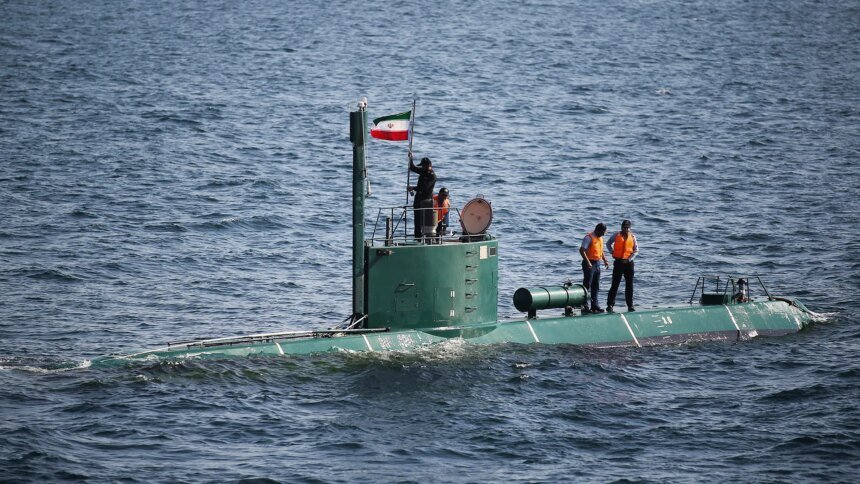
Iran closed the Strait of Hormuz after the outbreak of war, while Iranian officials reported that the authorities imposed navigational and operational fees on some ships in exchange for leaving the Gulf waters.
A historic opportunity
The second senior Iranian official explained – according to Reuters – that Iran, after surviving what it considered its greatest potential threat, which was a war with the United States and Israel, believes that it has a “historic opportunity” to secure a long-term advantage.
He added that the ship-owning countries will eventually accept Iranian management of the Strait in light of the high cost of the conflict, and that Washington will accept this to ensure that global energy flows continue without interruption.
One senior official said that Iran will not allow the situation to return to what it was before the war. Instead, Iran believes that new arrangements must govern the Strait of Hormuz, including that Iran choose how ships enter and exit the strait, reserve the right to deny entry to any ship it suspects of threatening Iranian security, and impose fees for the mandatory services it provides.

Exaggeration of strength cards
However, Ali Ansari, professor of modern history at the University of St Andrews, said Iran may be overestimating its power cards and underestimating the extent to which Washington is willing to accept what might be seen as a major concession.
The expert added in his analysis that the possibility of renewing this conflict is much higher than many believe, because neither party sees itself as a loser.
Neither Iran nor the United States have signed the United Nations Convention on the Law of the Sea, which classifies the Strait of Hormuz as an international strait, but Oman is a signatory.
While this waterway is divided between the territorial waters of Iran and Oman, its classification as an international strait under the agreement requires ensuring freedom of navigation in it, and this agreement is widely viewed, including by the United States, as customary international law.
Chris O’Flaherty, a former commander of the British Navy and a specialist in naval warfare and maritime law, said that this is also the agreement under which Iran can demand that its territorial waters be extended to 12 miles instead of only three miles off its coast under other maritime agreements. The Strait of Hormuz is just over 20 miles wide at its narrowest point.
Chris continued in his comment: “This is a political issue par excellence. Most people believe that international law has settled it, but Iran decided to challenge that.”