

Published On 7/6/2026
The German government approved a draft budget for 2027, including a significant increase in spending on defense and investment, as part of a plan aimed at strengthening the economy and raising military capabilities in the face of security challenges and the repercussions of war in Europe.
The value of the budget amounts to 555.4 billion euros ($634.2 billion), with new borrowing amounting to 203.6 billion euros ($232.5 billion), within a financial framework that extends until 2030.
Read also
list of 3 itemsend of list
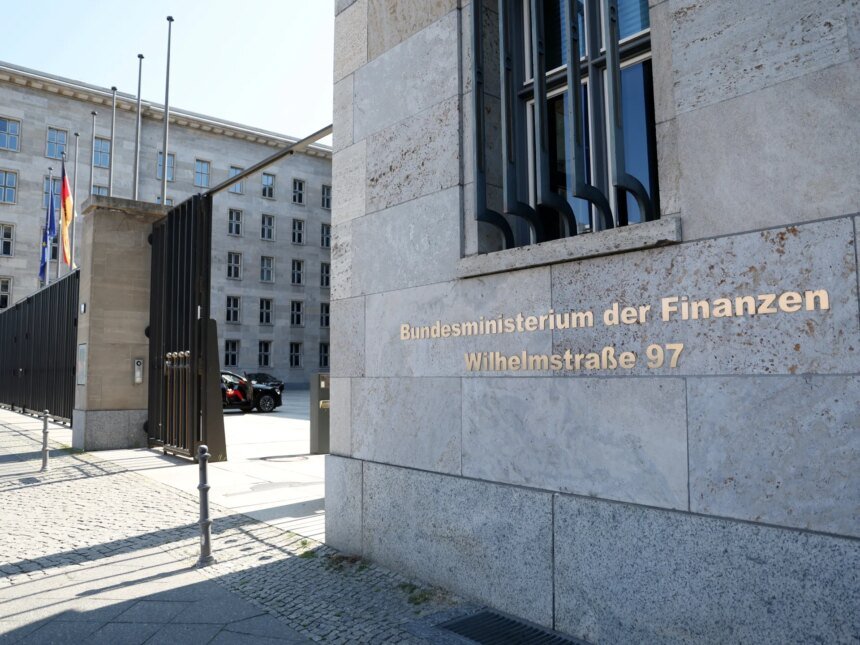
German Finance Minister Lars Klingbeil said that the government seeks to return the economy to the path of growth and create future jobs, stressing that the priority is to enhance investment, security, and the ability to confront crises.
Defensive jump
The budget includes raising basic defense spending to 109 billion euros ($124.5 billion) in 2027, compared to 82.2 billion euros ($93.9 billion) in 2026, while total defense and security spending, including military aid to Ukraine, will reach 130.1 billion euros ($148.6 billion) next year.
According to the medium-term plan, defense spending will rise to more than 190 billion euros ($216.9 billion) by 2030, while total spending on defense and security will exceed 200 billion euros ($228.4 billion), equivalent to about a third of the federal budget.
The government also allocated 11.6 billion euros ($13.2 billion) to support Ukraine in 2027, and 8.5 billion euros ($9.7 billion) annually during the period from 2028 to 2030.
Klingbeil explained that Germany cannot enhance its security with a policy based on a balanced budget, noting that the country seeks to compensate for decades of weak investment in defense capabilities.
Investments and borrowing
The government raised the volume of public investments to 117.5 billion euros ($134.2 billion) in 2027, compared to 78.9 billion euros ($90.1 billion) in 2025, supported by a 500 billion euros ($570.9 billion) infrastructure fund and easing restrictions on borrowing to finance defense.
Germany intends to borrow 838.2 billion euros ($957 billion) between 2027 and 2030, of which 587 billion euros ($670.2 billion) is new net borrowing, which will raise the public debt ratio to about 69.5% of GDP, with the deficit exceeding 4% of GDP.
Interest payments are also expected to rise from 41.9 billion euros ($47.8 billion) in 2027 to 80.7 billion euros ($92.1 billion) by 2030.
To reduce pressures on public finances, the government intends to increase taxes on alcohol and tobacco, impose a new tax on plastics, in addition to reducing some social welfare and housing subsidies and support for climate change, and reducing support for the pension system.
Despite the Finance Minister’s announcement of closing a financing gap estimated at approximately 34 billion euros in the 2027 budget, the financial plan still faces a financing gap of approximately 109 billion euros ($124.5 billion) during the following years.
Parliament is scheduled to discuss the draft budget in September, and its final approval is expected before the end of the year.