

Published on 6/29/2026
|
Last update: 22:28 (Mecca time)
Nearly nine years after the end of ISIS control over the city of Mosul, the city is still waging a battle to restore life to its war-torn landmarks, most notably the historical mosques, which were not merely places of worship, but rather symbols of the city’s memory and cultural identity.
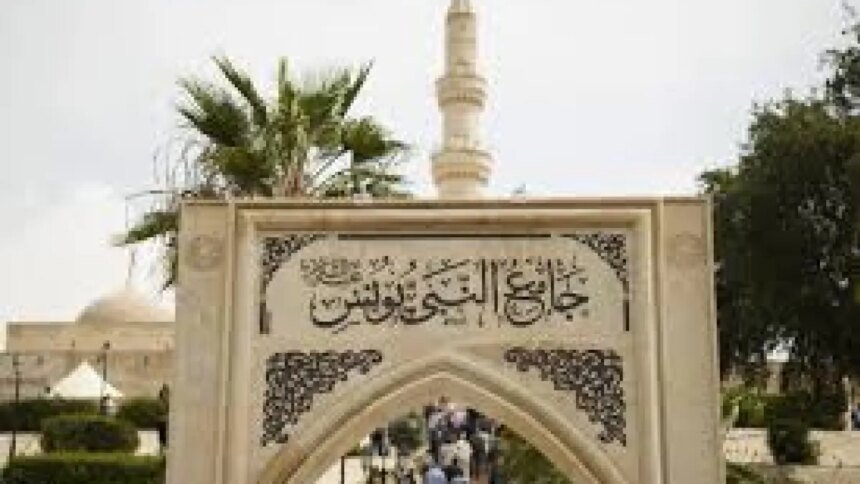
During the period between 2014 and 2017, Mosul was subjected to widespread destruction that affected its neighborhoods and historical buildings, and the mosque sector was one of the most affected sectors, after the organization bombed a number of old mosques and completely demolished some of them, including the mosques of Prophet Yunus, Prophet Seth, and Prophet Jarjis.
Today, the city is trying to regain what it lost through a massive campaign to rebuild these monuments, in a project that combines the efforts of the local government, the Sunni Endowment Office, and civil society organizations, in addition to donations from the people of the city.
Reconstruction of 80% of Mosul’s mosques
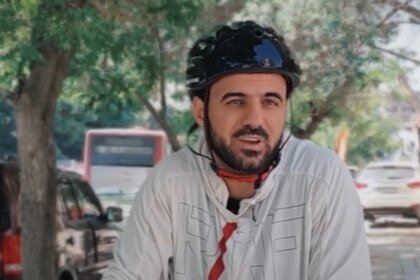
Mazen Al-Kalak, an employee at the “Wa’i” Center affiliated with the Sunni Endowment Office, says that the reconstruction process was not limited to rebuilding the walls, but rather came within a plan to restore multiple aspects of the life of Mosul society, noting that historical mosques were at the top of priorities because of their religious and social status.
Al-Kalak explained that these efforts resulted in the reconstruction of more than 80% of Mosul’s mosques, with the adoption of designs that combine the modern character and preserving the spirit of the original architecture, which was welcomed by the city’s residents and visitors.
He pointed out that the role of the Sunni Endowment was divided into an administrative aspect related to facilitating procedures and coordination with participating parties, and another aspect that included financial support and engineering supervision through government allocations coming from Baghdad.
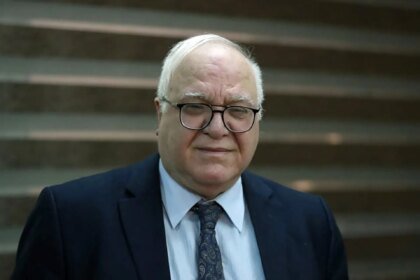
As for the director of the “Do Good Deeds” organization, Saad Allah Tawfiq, he explains that the reconstruction process faced great challenges, especially in the mosques that were completely destroyed, as there were only empty lands that needed to be rebuilt from scratch.
Tawfiq says that the work included dividing mosques into two types: The first is the ancient mosques that were razed to the ground, such as the Prophet Yunus Mosque, the Prophet Sheet Mosque, Al-Khidr Mosque, and the Imam Al-Bahir Mosque, and the second is the mosques that were partially damaged and were rehabilitated.
He points out that the biggest challenge was restoring the historical spirit of buildings that lost their archaeological parts, stressing that the engineering teams succeeded in merging the ancient design with modern technologies, and returning these mosques to a form close to their original style by more than 90%.
Back to life
The reconstruction process did not stop at historical mosques only, as Mosul also witnessed the construction of more than 50 modern mosques in new residential neighborhoods, bringing the total number of mosques and mosques that were rebuilt or constructed to about 500 mosques and mosques.
For the people of Mosul, the return of mosques does not only mean restoring destroyed buildings, but rather represents a return to life and stability. Citizen Saad Muhammad Jarjis says that rebuilding these landmarks contributed to enhancing the feeling of security, and encouraged residents of the affected areas, especially on the right coast of the city, to return to their homes.
Girgis confirms that the efforts of the “Doing Good” Association and donors played a fundamental role in the reconstruction of a number of mosques, noting that these projects restored the neighborhoods’ spirit that they lost during the years of war.
As for citizen Abu Muhammad, he describes the feelings of the people of Nineveh Governorate towards these achievements as feelings of joy and pride, especially with the return of the Prophet Yunus Mosque, the Prophet Sheet Mosque, and the Al-Rabiya Mosque to receive worshipers again.