


Published On 7/3/2026
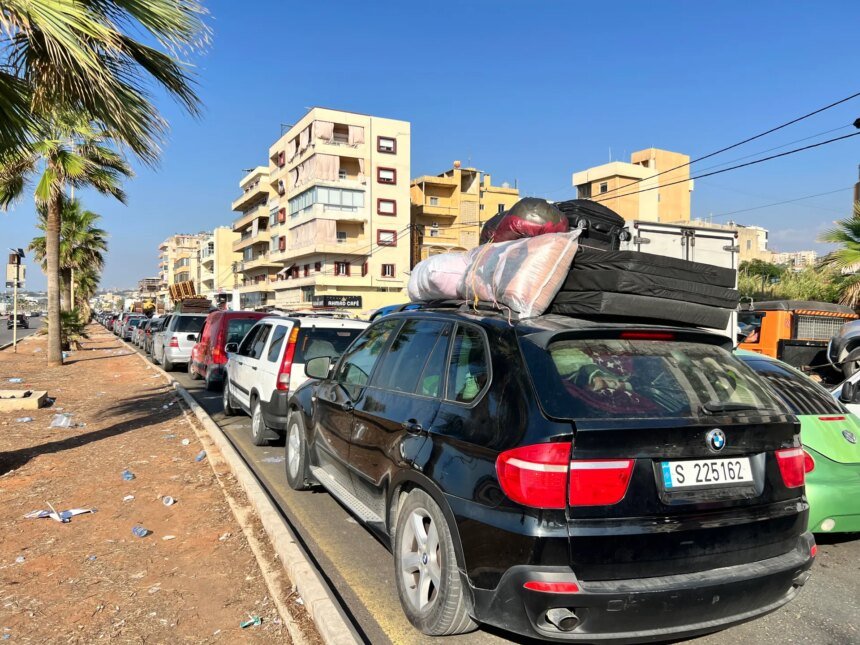
The International Organization for Migration announced that more than 640,000 displaced Lebanese have returned to their homes since the ceasefire with Israel entered into force on June 21, while about 500,000 people are still displaced.
The organization said in a report published yesterday, Thursday, that the number of Lebanese returnees reached 646,107 people, out of more than a million who were displaced during the war, based on data collected in coordination with local authorities since June 22.
Lebanon entered the war on March 2, after Hezbollah fired missiles at Israel, which it said were in response to the killing of the late Iranian Supreme Leader Ali Khamenei in American and Israeli strikes on Iran on February 28.
Tel Aviv responded with a campaign of air strikes, a ground invasion, and repeated evacuation warnings that lasted more than 3 months, and resulted – according to the Lebanese authorities – in the deaths of about 4,300 people and the displacement of more than a million, most of them from southern Lebanon and the southern suburbs of Beirut.
After the armistice
An understanding signed by Tehran and Washington last month to end the war between them led to a ceasefire in Lebanon, which allowed the return of hundreds of thousands to the south of the country and the southern suburbs, in conjunction with the authorities removing random tents in Beirut and its environs and reducing the number of shelter centers.
However, the return of residents to dozens of border towns and villages is still stalled, in light of Israel’s announcement that its forces will remain within a “security zone” up to 10 kilometers deep, and its continued implementation of sporadic strikes despite the ceasefire.
Last week, Lebanon and Israel signed, under the auspices of the United States, a framework agreement that paves the way for a cessation of the war, and stipulates the disarmament of Hezbollah, a gradual Israeli withdrawal from the areas into which its forces have penetrated in southern Lebanon, and the deployment of the Lebanese army, starting from two experimental areas.
The agreement does not specify a timetable for Israeli withdrawal, as it links it to the completion of the disarmament of Hezbollah, which the party rejected.
In this context, Lebanese President Joseph Aoun confirmed on Friday that the wording of the agreement “does not legitimize the continuation of the Israeli occupation in Lebanon,” explaining that the absence of a timetable is due to the fact that what was signed was “a framework formula, not an agreement,” stressing that the goal is to achieve Israeli withdrawal.

Human rights concerns
On the other hand, Amnesty International and five human rights organizations warned that the framework agreement may limit the efforts of victims of war crimes in Lebanon to seek justice before international forums, considering that some of its provisions may involve acceptance of the continued displacement of residents from large areas in southern Lebanon.
The organization noted that Article 13 of the agreement, according to the text published by the US State Department, stipulates the commitment of Lebanon and Israel to “take measures in good faith that demonstrate positive intentions, including stopping all hostile or negative measures in international political or legal forums.”
Aoun responded that the clause regarding the suspension of lawsuits between Lebanon and Israel is limited to the period of negotiations, and does not prevent any group or private party from filing lawsuits in this regard.