Published on 6/30/2026
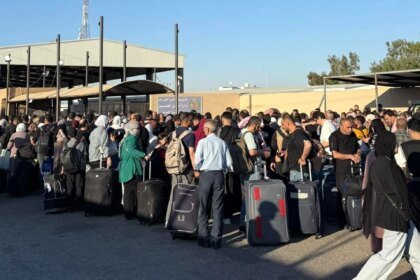
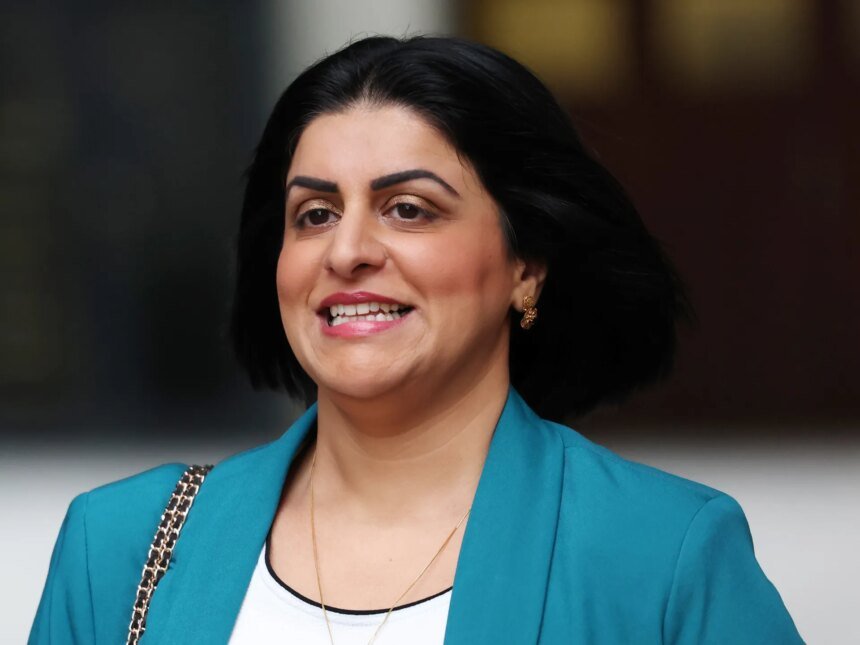
Goodbye to free housing and social assistance for asylum seekers in Britain. They will be forced to pay hotel bills, and will be prevented from settling in the United Kingdom unless they pay an amount of 10,000 pounds ($13,231), according to legislative rules announced by British Home Secretary Shabana Mahmoud.
The system is expected to work similar to the student loan system, with migrants paying part of the fees above a certain threshold each month, either through HMRC or the Department for Work and Pensions, or directly to the Home Office.
According to these rules, all asylum seekers will be subject to fixed fees regardless of where they live, whether in hotels, shared accommodation or former military bases.

Return the favor
In justification for these rules, the British Home Secretary, who is of Pakistani origin, says: “The cost of the residence of asylum seekers to British taxpayers is very high, and we have already reduced the costs of asylum by one billion pounds sterling, but it is also right to ask those who are able to contribute to do so.”
In the words of Minister Shabana Mahmood, “Receiving asylum support is a right, but it is also a responsibility. Once people can contribute and give back to the British people, we expect them to do so.”
Asylum seekers in Britain are entitled to work once their applications are approved, or if they are still waiting for a decision on their applications after one year of their stay in the United Kingdom.
Migrants whose asylum claims have been rejected and who have been deported from Britain are banned from returning to the country unless they pay off their debts of £10,000.

Costs
The cost of supporting and housing an asylum seeker in a hotel exceeds £50, compared to just £12 in much cheaper shared accommodation, according to the Oxford University Migration Observatory.
According to data from the British Home Office, the total cost of housing and supporting 107,000 asylum seekers last year amounted to 4 billion pounds sterling.
This included an average of £144 per night in a hotel compared to £23.25 in cheaper shared accommodation. While living expenses range between 10 and 50 pounds per immigrant per week.
Following in the footsteps of Denmark
Denmark has taken a similar approach towards asylum seekers, which British Home Secretary Shabana Mahmood has modeled for her own asylum reforms.
Asylum seekers in Denmark face confiscation of any money or valuables worth more than 10,000 Danish kroner (£1,150) to cover food and accommodation costs.
In addition to the payment system, the British Minister proposes that asylum seekers who own high-value or liquid assets – such as cars, electric bicycles, or private money – contribute to covering the costs of asylum housing provided by the state, and the necessary powers to recover costs will be specified in the draft Immigration and Asylum Law when it is submitted to Parliament.
Effect size
As part of the reactions to these measures included in the draft law, the director of the Immigration Observatory in Britain, Madeleine Sumption, said that the impact of this system on public finances will likely be “relatively small,” because it is a financial payment conditional on income for a very low-income group.
In her opinion, Sumption cites statistics from 2023, which indicate that only 13% of people who were granted refugee status 5 years ago earned more, and the number of asylum seekers reached 20,000. The remaining 87% were unemployed or receiving low wages, often less than £10,000.
She said, “The plan may discourage asylum seekers from housing if they are able to obtain other support from their families or charities, and it may also discourage them from working after obtaining refugee status, because that will mean that they will be exposed to a higher tax.”
As for MP Chris Phillip – the Shadow Home Secretary – he accused the Home Office of adopting a policy proposed by the Conservative Party last year, but the Labor Party obstructed it. He said, “The Labor Party is failing to deport illegal immigrants, and has wasted two years in government by making minor amendments.”
Appeal sizing
The bill would also limit the rights of asylum seekers to use human rights laws to challenge their deportation, limit modern slavery claims, and create a fast-track appeals system to speed up the deportation of irregular migrants.
Last week, the Ministry of Interior announced its plan to increase the number of former military sites housing asylum seekers to five sites, accommodating up to 5,500 migrants.
It is noteworthy that about 34,400 asylum seekers were granted the right to remain in the United Kingdom under Article 8 of the European Convention on Human Rights, which stipulates their right to family life, last year.
According to the Home Office’s analysis, the total net cost to taxpayers of funding their healthcare, education, social assistance and pensions would be £4.9 billion.