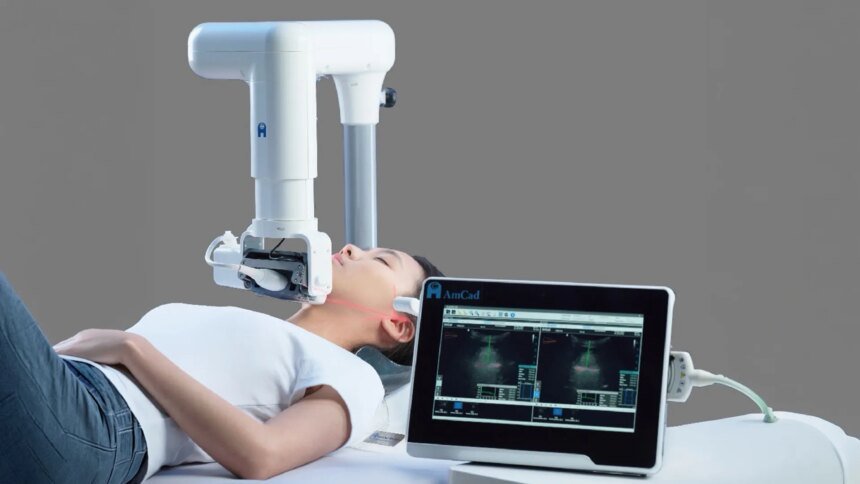
As life expectancy around the world rises at an unprecedented pace, healthcare systems face increasing challenges represented by the prevalence of age-related chronic diseases, such as dementia, diabetes, and heart disease.
In the face of these demographic shifts, governments, companies, and research centers are turning to searching for new models that employ advanced technology in prevention, treatment, and improving the quality of life.
Amid accelerating global changes, Taiwan stands out as one of the most important successful experiences in transforming its technological and industrial leadership into a major driver of medical innovation. This success is based on decades of investment in health and technology, supported by its global position in the semiconductor sector.
The number of people over the age of 60 has doubled in the past three decades to reach 1.2 billion people in 2025, and it is expected to rise to 2.1 billion people by 2050. United Nations estimates indicate that by 2080 the number of people over the age of 65 will exceed the number of children under the age of 18, in a shift that reflects the accelerating pace of global population aging.
As the age structure of societies changes, health needs also change. Non-communicable diseases associated with aging are becoming more widespread, which imposes the need for solutions based on prevention, early detection, and smart care.
Taiwan prepared for these transformations early, as it worked over four decades to build an advanced health system capable of dealing with the challenges of population aging, and today it has turned into one of the global centers for developing medical technology.