Published on 6/18/2026
|
Last update: 17:11 (Mecca time)
After the signing of the US-Iranian memorandum of understanding, attention is turning to the Strait of Hormuz, which is expected to be opened to navigation so that there will be a gradual return to oil and gas flows. This step will affect the ships whose crossing is obstructed due to the strait crisis.
Navigation data indicate a limited improvement in ship movement through the strait, in conjunction with arrangements to lift the naval blockade and understandings regarding a temporary transit mechanism and safe passages.
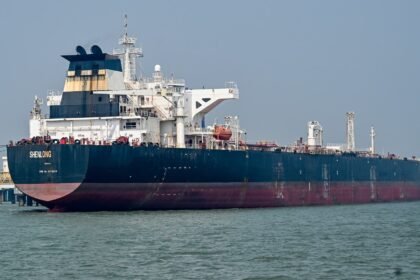
The interactive map presented by Abdul Qader Arada shows that 4 ships crossed the Strait of Hormuz within 48 hours, and among these ships was an oil tanker carrying two million barrels.
According to Marine Traffic figures, there are about 2,217 ships in the waters of the Gulf and the Gulf of Oman, including 1,522 cargo ships, 515 oil tankers, about 74 liquefied and petroleum gas tankers, and about 106 other tankers. All these ships are waiting to sail through the Strait of Hormuz.
The interactive map indicates a decline in Iran’s exports of oil and oil condensates in recent months, and the lowest level was recorded in May, when it was estimated at 209 thousand barrels, according to various sources.
The memorandum of understanding between the United States and Iran refers to a set of measures, including safe and free passages, which Iran will provide within a period of 60 days, provided that there will be coordination between Tehran, the Sultanate of Oman, and the Gulf states regarding transit arrangements later.
The memorandum also includes economic and security provisions, including stopping the escalation, resuming the export of Iranian oil, and establishing an investment fund for reconstruction, in addition to negotiations extending for 60 days to formulate a final agreement under international supervision.
Compensation for losses
Global oil prices fell after the United States and Iran signed the memorandum of understanding, but Reuters indicated that the markets are cautious about the extent of the decline in prices in the short term, as supply may remain limited even after the reopening of the Strait of Hormuz.
In its monthly report, the International Energy Agency expected that the global oil market would gradually recover from the impact of the closure of the Strait of Hormuz. The agency estimated that global demand would decrease by one million and 100 thousand barrels per day this year, and estimated that the total demand would reach about 103 million barrels per day during the same period. It also expects a daily surplus exceeding 5 million barrels of oil during the next year with the return of supplies from the Gulf region.
In his reading of the economic dimensions after the signing of the memorandum of understanding between Washington and Tehran and the decline in oil prices, oil and energy affairs expert Amer Al-Shobaki explained that this decline came due to the decrease in the level of fear and political reasons, especially the American statements regarding reaching an agreement between Washington and Tehran, in addition to the availability of more supplies in the markets.
On the other hand, Al-Shobaki said – in his speech within the “Economic Section” – that the countries that incurred losses due to the closure of the Strait of Hormuz may compensate for some of these losses by increasing production in the coming period. He said that the Gulf countries, for example, are trying to compensate for the shortfall in stocks that were filled at home and are trying to bring in empty ships from abroad as quickly as possible.