Published on 12/6/2026
The United States and Iran are moving towards signing a preliminary understanding to stop the war and contain the escalation, as a draft agreement – seen by diplomatic and American sources – reveals a deal based on the immediate reopening of the Strait of Hormuz and without transit fees, in exchange for a gradual and conditional easing of the sanctions imposed on Tehran.
According to a diplomat from a mediating country and an American official, the understanding stipulates extending the ceasefire for a period of 60 days, including the Lebanese front, to allow for in-depth negotiations regarding the Iranian nuclear program, while postponing any substantive executive steps until a second, more detailed agreement is reached.
What happened in the last hour?
Information indicates that the breakthrough was achieved after intensive discussions on Wednesday night, led by Qatari mediator Ali Al-Thawadi with Iranian Foreign Minister Abbas Araghchi, in parallel with direct contacts with Steve Witkoff and Jared Kushner, envoys of US President Donald Trump.
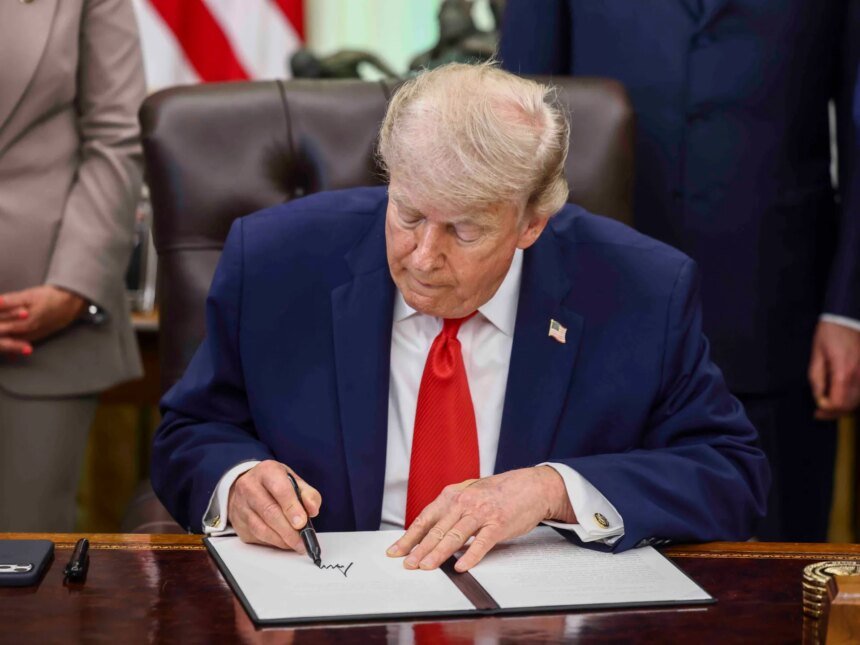
Intensive diplomatic movements led by Qatar, Pakistan, and the UAE succeeded in the last moments in containing an imminent military escalation between the United States and Iran, after President Trump backed down from his threat to launch a very harsh strike against Tehran, after receiving assurances that an initial agreement was close to being reached.
According to American officials and a diplomat familiar with the content of the communications, the Emir of Qatar, Sheikh Tamim bin Hamad Al Thani, the President of the UAE, Sheikh Mohammed bin Zayed Al Nahyan, and the Commander of the Pakistani Army, General Asim Munir, conducted direct and intensive contacts with Trump, to persuade him to abandon the option of military escalation, stressing that a preliminary understanding is just around the corner.
An American administration official confirmed that Trump acknowledged that the intervening countries had channels of influence on Tehran and on Supreme Leader Mojtaba Khamenei, and that their messages about the imminence of reaching an agreement were a decisive factor in his retreat from the option of a military strike.
Procedural step
Informed American sources reported that 4 American C-17 cargo planes took off for Europe to transport logistical equipment, in a step that paves the way for the possibility of organizing a signing ceremony in Geneva, which the Vice President may attend.
What are the features of the proposed understanding?
Data indicate that the agreement being circulated focuses in its first phase on reopening the Strait of Hormuz and ending US restrictions on navigation in it, as a preliminary step to be followed by more complex negotiations regarding the Iranian nuclear program.
US Secretary of State Marco Rubio had informed Congress that the nuclear path would take a longer time, indicating that the Strait issue represents the practical gateway to starting the calm.
The nuclear file
The agreement includes Iranian commitments not to seek to possess a nuclear weapon, while offering the option of reducing uranium enrichment levels within the country under UN supervision. However, the implementation of any practical measures remains subject to a subsequent agreement.
A senior American official reported – according to Axios – that Trump agreed that reducing the degree of Iranian uranium enrichment inside the country and under the supervision of United Nations inspectors would be one of the options proposed to resolve the crisis.
Hormuz and sanctions
The proposed understanding stipulates that shipping traffic in the Strait of Hormuz be restored to pre-war levels within 30 days, in exchange for a gradual lifting of US restrictions, including temporary exemptions for the sale of oil for a period of 60 days, giving Tehran a vital economic outlet.
The scale of sanctions relief will also increase if Iran adheres to the initial agreement and shows “good faith” in subsequent negotiations, according to American sources.
The sources confirmed that there is no predetermined date for lifting the sanctions, but rather the matter will be directly related to the extent of implementation of the agreement.
Frozen funds
The issue of frozen Iranian assets remains unresolved, amid a discrepancy between Tehran’s desire for an immediate payment, and Washington’s adherence to a gradual release formula linked to compliance.
Sources report that the United States, Iran, and Qatar recently discussed a mechanism that would allow Tehran to access some of its funds frozen in Qatar, for the exclusive purpose of purchasing humanitarian goods.
Iranian reservation
While Trump expressed remarkable optimism, announcing that the signing of the agreement might take place during the weekend, and stressing that a major settlement was almost complete awaiting final formulation, the signals from Tehran were more reserved. Iranian Foreign Ministry spokesman, Ismail Baghaei, stressed that his country has not yet reached a final formula, despite achieving significant progress, stressing Tehran’s adherence to its red lines and not making basic concessions.
Baqaei added: “Until this moment when I am speaking to you, we have not reached a final formulation on this matter. It is a very important issue, and it is currently subject to study and evaluation by the relevant decision-making authorities, and as soon as a final result is reached, we will inevitably announce it.”
Israeli fear
Trump’s announcement of concluding the agreement surprised Israeli Prime Minister Benjamin Netanyahu, at a time when an informed American source revealed that the latter found himself largely isolated from the course of the negotiations during recent days, which prompted him to communicate with channels close to the Trump administration to find out the latest developments.
According to preliminary estimates, it is expected that any understanding with Iran will face Israeli opposition, in light of Netanyahu’s position, which had called, last February, for a military strike against Tehran for its refusal to comply with nuclear demands.
In this context, Trump and Netanyahu held a phone call on Thursday to discuss the features of the agreement being developed, as a statement issued by the Israeli Prime Minister’s Office stated that Netanyahu stressed the importance of any final agreement including the removal of enriched materials, dismantling the enrichment infrastructure, and imposing strict restrictions on the missile program, in addition to stopping Iranian support for its agents in the region.