Published On 4/27/2026
China has strongly criticized the European Union, threatening to take countermeasures if it goes ahead with the “Made in Europe” plan aimed at supporting domestic industries in the face of foreign competition.
On Monday, the Chinese Ministry of Commerce strongly criticized the European proposal, describing it as “systematic discrimination” that imposes restrictions on foreign companies and gives an unfair advantage to European companies, especially in strategic sectors.
Read also
list of 4 itemsend of list
It said in a statement that the proposal “imposes serious investment barriers,” and China stressed that the legislation may violate basic principles, including the principle of most favored nation and the principle of national treatment.
Beijing noted that it constitutes discrimination against Chinese investors, will slow down the European Union’s green transition and undermine fair competition in its market.
Last March, the European Union revealed new rules requiring companies wishing to obtain public funding that their products include a minimum of components manufactured within the bloc’s countries, as part of what is known as the “Industry Acceleration Law.”
The proposal includes vital sectors such as electric cars, clean energy, and steel, as part of Brussels’ efforts to enhance industrial competitiveness and protect jobs, after years of decline in the performance of some European industries.
But Beijing considered that these measures represented a shift towards trade protectionism, warning of their repercussions on economic cooperation between the two sides, and confirmed that it had submitted its observations to the European Commission, expressing “serious concerns” about the law’s impact on the interests of its companies.

Chinese warning
The Chinese Ministry of Commerce warned that it “will have no choice but to take countermeasures” if the legislation is passed and harms Chinese companies, indicating the possibility of an escalation in the trade dispute between the two parties.
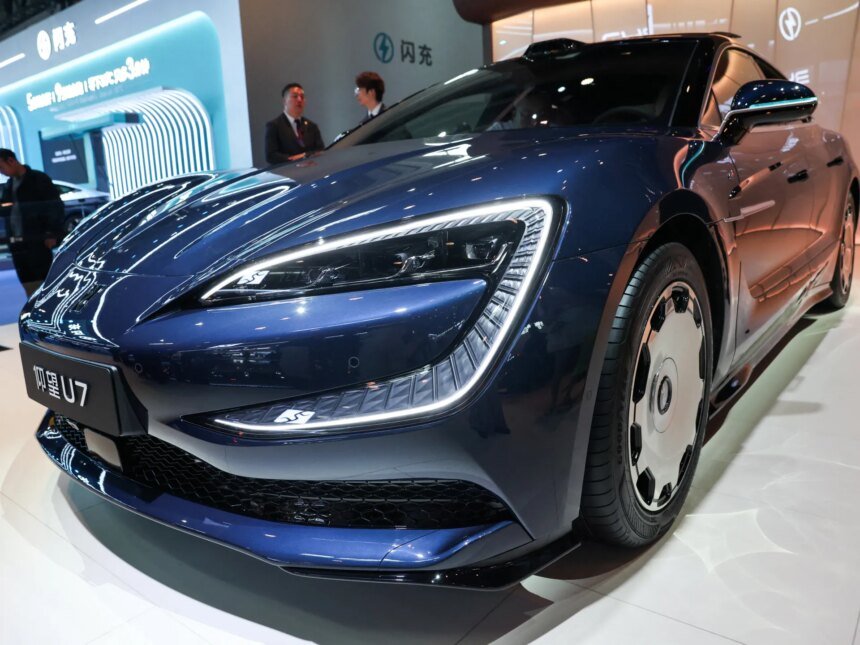
The European proposal indirectly targets Chinese companies, especially in the fields of batteries and electric cars, as it requires foreign companies to transfer technology and cooperate with European partners when entering the market.
On the other hand, European companies defended the plan, considering it necessary to confront what they describe as unfair competition from government-backed Chinese companies, at a time when Europe seeks to preserve its strategic industries.