Published On 4/26/2026
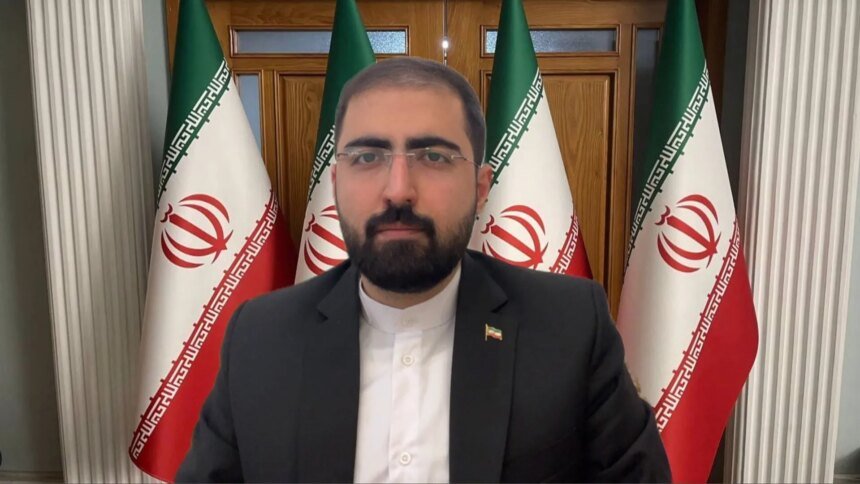
Ali Safri, advisor to the spokesman for the Iranian Ministry of Foreign Affairs, confirmed that the ball regarding the future of negotiations between the two countries is now in Washington’s court, stressing Tehran’s seriousness in the diplomatic track in exchange for the lack of confidence in American approaches, especially after Washington backed down from understandings related to lifting the naval blockade.
In an interview with Al Jazeera Live, Safri explained that the Iranian side provided responses to the proposals of the Pakistani mediator, stressing that the main obstacle is not in the communication channels, but rather in the “American methodology” that relies on exerting pressure and threats instead of serious diplomacy.
Hopes doubled yesterday after the arrival of Iranian Foreign Minister Abbas Araqchi to Islamabad, and the White House’s announcement of the intention of Steve Witkoff and Jared Kushner to resume negotiations with Tehran. However, these hopes were completely dashed with Araqchi’s departure from the Pakistani capital, and then Trump announced the cancellation of his envoys’ travel to Pakistan.
This development has opened the door to all scenarios, including returning to the military option or continuing the blockade of Iran’s ports, and closing the Strait of Hormuz.
Safri pointed out that the US administration’s recent steps, including sending minesweeping battleships to the Strait of Hormuz, reflect Washington’s lack of seriousness in reaching a sustainable solution, and make Tehran view any US move with “pessimism” as a result of previous experiences in which negotiations ended in conflict.
Strait of Hormuz equation
The Iranian official spoke about the sharp difference in positions regarding maritime navigation, pointing to a tweet by Minister Araqchi on the “X” platform in which he announced Iran’s readiness to open the Strait of Hormuz to all ships as a gesture of good faith aimed at calming down. However, the response came from US President Donald Trump with statements confirming the continued imposition of the naval blockade on Iranian ports and ships.
Safri said: “It was scheduled, after the ceasefire in Lebanon and the opening of the Strait of Hormuz on our part, that the blockade on Iranian ports would be lifted, but Trump’s recent statements aborted this positive step.”
Islamabad negotiations
Safri demonstrated his country’s seriousness by sending a high-level delegation to Islamabad, which included political, economic, military and security officials, stressing that Iran will not submit to the policy of exerting pressure to achieve political gains.
The Iranian Foreign Ministry official denied the existence of any specific date for a direct meeting with American envoys Steve Witkoff and Jared Kushner, considering that any progress requires a “process of restoring confidence” that is currently missing due to American behavior.
In a related context, Safri pointed out the importance of Minister Araqchi’s current visit to Muscat, describing the Sultanate of Oman as a strategic partner in the Strait of Hormuz issue and a distinguished historical mediator, noting that the discussions there will address bilateral files and the issue of negotiations with Washington, in an attempt to break the stalemate imposed by the American “maximum pressure” policy.