Published on 6/27/2026
|
Last update: 21:21 (Mecca time)
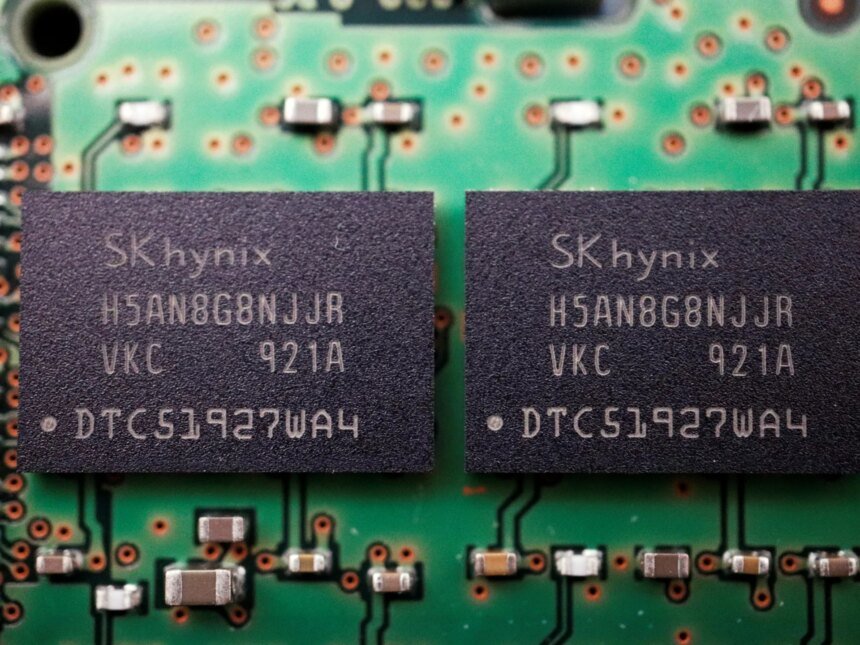
The announcement by the American companies “Apple” and “Microsoft” the day before yesterday, Thursday, of a significant increase in the prices of their most famous products, such as “Xbox” gaming devices, “Mac” devices, and “iPad” devices, reflects an unprecedented crisis in the supply of electronic chips, a shortage that is likely to continue in the next few years, according to the statements of officials in companies that produce these chips.
Apple has increased the prices of the most popular types of Mac and iPad devices by 20% or more, as the basic model of the MacBook Air computer is now sold at retail in the United States at a price of $1,299, up from $1,099, while the price of the MacBook Pro computer (with the lowest specifications) has risen from $1,699 to $1,999.
Read also
list of 2 itemsend of list
The price of the economical MacBook Neo computer became around $699, up from $599, and the largest increase was in the “Mac Studio M3 Ultra” desktop computer category, as its price jumped from $3,999 to $5,299.
Microsoft also announced that it will raise the prices of the 512 GB and 1 TB models of the Xbox gaming platform by $100 and $150, respectively.
The two companies attributed the shortage in supplies of memory chips to a huge boom in the artificial intelligence sector. Despite the notable efforts made to increase the supply of these chips, this crisis and its impact on consumer prices is not expected to end soon.

According to South Korean media reports, Samsung Electronics and SK Hynix are expected to announce new investments in chip manufacturing worth hundreds of billions of dollars on Monday.
The Mael Economic newspaper reported on Friday that the Samsung Group, of which Samsung Electronics is a part, is preparing to unveil a huge spending package worth a thousand trillion won (about 651 billion dollars) over the next decade, in what will represent the largest investment plan of its kind in the country’s history.
Electronics industry executives warn that the chip shortage will continue for years, as new data centers gobbling up chips in droves. Sanjay Mehrotra, CEO of Micron Technology, said last Wednesday that although the availability of memory chips may improve by 2028, there is “no clear vision” of when supply will catch up with demand.
These statements mean that chip prices will likely continue to rise, forcing consumers to pay more for phones, laptops, and other electronic devices that contain chips. According to data from InSpectrum Tech, the price of the DDR5 chip, commonly used in personal computers, will more than quadruple during 2025.
Bloomberg Intelligence analyst Jake Silverman says that with the continued gap between supply and demand that may extend until 2028, prices are unlikely to fall during 2027. He adds that consumer device prices may continue to rise, albeit at lower rates, just to maintain good profit margins.
Unexpected rise
The artificial intelligence infrastructure boom, led by graphics processing unit (GPU) chips from the American company NVIDIA, has caused a major upheaval in the memory chip market, and what exacerbated the supply crisis is that the technology sector did not expect this boom to occur on this scale.
After chip manufacturers were exposed to huge production surpluses in chip supplies following the Corona virus pandemic, these companies refrained from investing in expanding their production capabilities. But the small group of producers that survived this crisis finds themselves in an unprecedented situation, as investors shower them with support, and their customers scramble to obtain their goods, while they reap unprecedented profits.
The shortage is not limited to memory chips only, but also affects a significant scarcity of logic chips, which are used in calculations and processing, which raises the prices of these chips.
CC Wei, CEO of Taiwan Semiconductor Manufacturing Company (TSMC), the world’s largest producer of advanced logic chips, told the company’s shareholders earlier this month that the company will not be able to meet growing demand from its customers, most notably in the United States, even after more manufacturing capabilities enter service within the United States in the next few years.
“The development of artificial intelligence has exceeded all our expectations,” Wei said in press statements. He added that he once asked NVIDIA President Jensen Huang why he had not warned him before about the boom in artificial intelligence. It turned out that Huang himself had not expected this huge leap.

Race against time
Companies are now racing to expand their chip production as quickly as possible, as TSMC’s capital expenditures for this year alone are expected to reach $56 billion. South Korean company SK Hynix is planning a public offering of its shares in the United States worth $29 billion, after the company’s chairman, Chi Tae-won, said earlier this month that he intends to double production capacity by the second half of the current decade.
Even before the expected announcement next Monday, Samsung plans to spend more than $73 billion this year on research and expanding production capacity in this field.
The American company Micron is also trying to achieve additional production from its current facilities, even as it adds new supplies through an acquisition deal in Taiwan, as well as building new factories in the American states of Idaho and New York.