Published on 6/25/2026
In the middle of a large minefield, the US-Iranian negotiations hosted by Switzerland are proceeding in the hope of reaching an agreement that will end the state of war once and for all in the long term, by searching for solutions to the thorny issues that are at the top of the agenda.
From Iranian uranium to shipping traffic in the Strait of Hormuz, Tehran’s frozen assets and the sanctions imposed on it, all the way to stopping the Israeli war on Lebanon, the mediators are trying to find solutions that can ensure that the negotiations do not collapse.
Read also
list of 2 itemsend of list
The negotiation period, specified for 60 days, is supposed to discuss basic files between the American and Iranian sides, which are summarized in:
- Iran’s uranium enrichment.
- Tehran’s stock of highly enriched uranium.
- The Strait of Hormuz remains open.
- Iran’s frozen funds and sanctions imposed on it.
- Ending the war on all fronts.

Fortifying negotiations
This time frame places negotiators with great responsibilities and forces them to achieve goals on time. However, the specified time frame may not be sufficient, which prompted mediators to develop mechanisms to facilitate negotiations and prevent their collapse.
According to a report prepared by Mustafa Azrid for Al Jazeera, it was decided to establish a high-level committee to politically supervise mediation efforts, and working groups were established to deal with three basic files: the Iranian nuclear, sanctions, and conflict settlement.
These steps reflect the mediators’ efforts to create a work environment that allows for addressing complex technical issues that may have led to failure to reach an agreement between the two sides.
But the negotiation environment is not completely isolated and may be affected by events, actions or positions during the 60 days, which is not a short period of time, and this is not lost on the mediators as well.
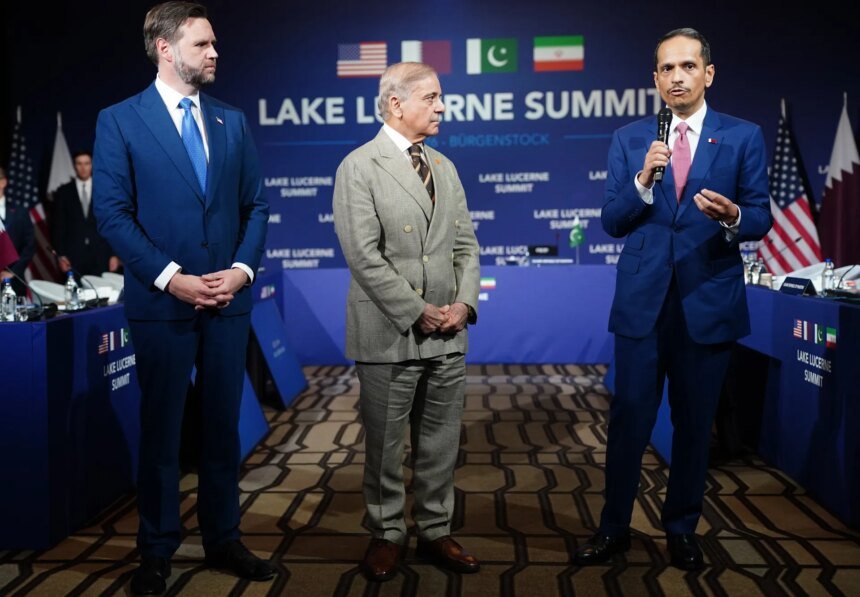
The Qatari Prime Minister and Foreign Minister, Sheikh Mohammed bin Abdul Rahman Al Thani, spoke about parties that want to sabotage the negotiations, and about many external circumstances and factors that may affect the negotiation environment.
He explained that Qatar and Pakistan worked as hard as possible to establish a framework to protect the negotiating process, avoid any escalation, and address any event before it occurs.

Working group
To achieve these goals, it was agreed to establish a working group that includes the United States, Iran, and Lebanon, with the support of the Pakistani and Qatari mediators, to ensure commitment to stopping military operations and preventing any new escalation in Lebanon.
Through this group, it seems clear that concerns about the possibility of sabotaging the negotiations revolve around Israel, which publicly expressed its dissatisfaction with the signing of the memorandum of understanding that led to this diplomatic path between Washington and Tehran.
Israel, which pushed the United States to launch the war and worked hard to continue it, will not be willing for these negotiations to succeed and to reach a final agreement between the two sides.
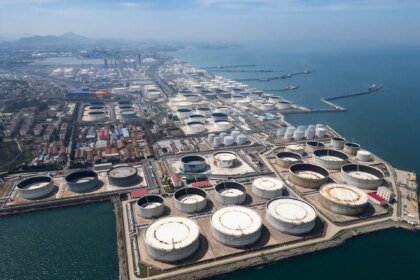
In the midst of these fears, the situation in the Strait of Hormuz remains one of the most prominent challenges facing the negotiations, as any incidents or miscalculations in this vital passage may reflect negatively on what is happening in Switzerland.
To avoid this scenario, the parties agreed to establish a direct line of communication or hotline to ensure the safe transit of ships.
Iranian Parliament Speaker Muhammad Baqir Qalibaf, who heads his country’s negotiating delegation, said that ships can contact this center if any confusion or problem arises, and that the hotline will help ensure the highest level of safety and smooth navigation.