Published On 6/24/2026
|
Last update: 17:20 (Mecca time)
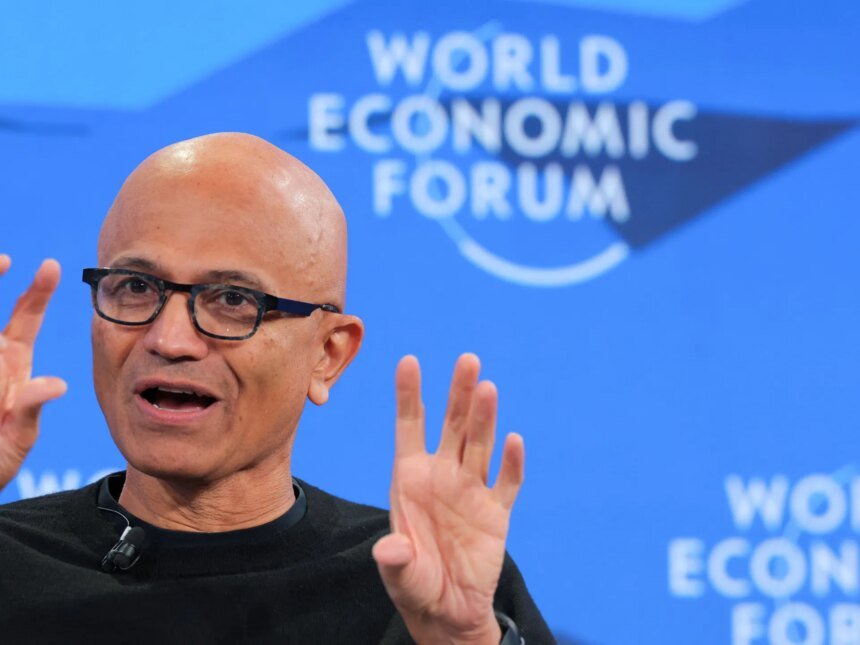
In a recent interview, Microsoft CEO Satya Nadella criticized the method of major artificial intelligence companies to win in the race for technical supremacy, as he believes that a small group of companies captures the true value of this technology, and yet at the same time warns the world of its risks related to safety and job loss and insists that it needs enormous resources to expand.
Nadella is considered one of the most prominent names in the world of artificial intelligence, as he contributed, through his adoption of “Open AI” technologies and Microsoft’s initial investment in them, to transforming it into the giant company that we know today.
Read also
list of 2 itemsend of list
According to a report published by the Wall Street Journal the day before Monday, Nadella made it clear that it is not possible to make sharp and radical statements about artificial intelligence technologies and then expect the public to tolerate the idea of models and that only a few companies control them.
Although he did not mention any artificial intelligence company directly during his speech, he expressed Microsoft’s intention to guide the AI race into a future that is not controlled by pioneering model builders.
It should be noted that Microsoft has introduced a variety of low-cost artificial intelligence models in recent weeks, and has also released a new artificial intelligence agent called Copilot Cowork.
The company is also considering adding a version of Deepseek, a low-cost Chinese model, to the AI models it hosts, which would significantly increase DeepSeek usage rates.
Microsoft is late to the race
The Wall Street Journal report reveals that Microsoft is lagging behind in the race for artificial intelligence models, as some of the company’s clients prefer other models, such as “Gemini” from Google or “Cloud” from Anthropic.
Therefore, the company belatedly decided to pump its financial resources into developing its own artificial intelligence models and products based first on artificial intelligence in the future.
The company followed a different approach at the beginning of the artificial intelligence race, as it chose to invest in “Open AI” significantly to benefit from its technologies, an investment relationship that changed recently before Microsoft sought to develop its own models.
The emergence of features of a new trend
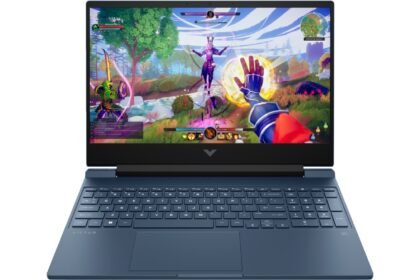
The features of Microsoft’s new direction appeared in its recent cooperation with NVIDIA when the latter announced the “RTX Spark” processor chip dedicated to laptops enhanced with artificial intelligence.

At the same time, the company also unveiled its new project under the name “Solara”, which is office devices that help users access artificial intelligence quickly, and are initially intended for companies.
Microsoft explained during its developers conference its intention to integrate “OpenClou” into the Windows system through a new special layer that allows users to use and equip any artificial intelligence agent they wish.
Balancing human capital and symbolic capital
Nadella revealed his point of view on the future of companies in light of artificial intelligence through a short blog post published on his account on the “X” platform, where he explained that the future is not replacing humans with artificial intelligence, but rather trying to find the ideal interaction between human capital and token capital, according to a report published by the “Fast Company” website yesterday, Tuesday.
Nadella’s view is consistent with the prevailing view that AI linguistic models were not designed to run entire companies without human intervention, because they need to shift from providing answers to delivering results.
Nadella adds that the best opportunity to harness artificial intelligence in companies does not lie in choosing the best model, but rather in building a learning loop on top of the models where human capital and symbolic capital accumulate together.