Published on 6/22/2026
The US-Israeli war against Iran has given Chinese electric car makers a new impetus, after rising prices for conventional fuel accelerated the shift towards electric vehicles in many countries of the developing world, despite the continuing gap in charging station infrastructure.
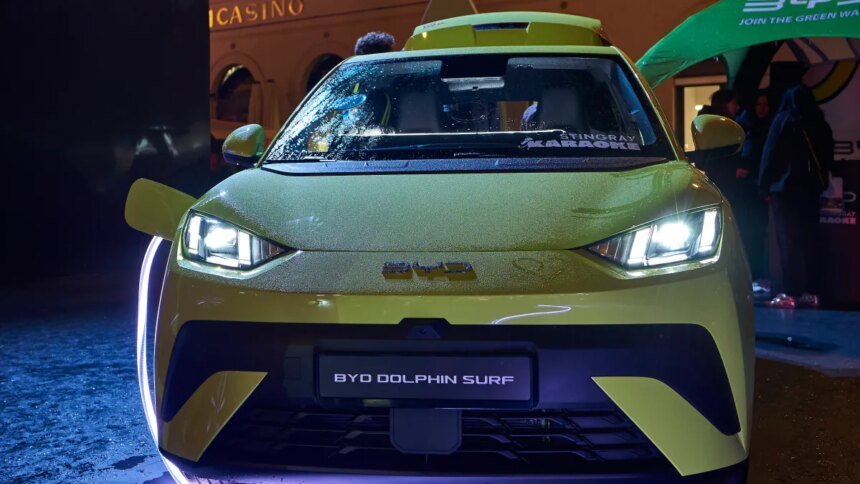
Chinese electric vehicle exports have recorded record levels in recent months, benefiting from rising fuel costs and the increasing trend of governments and consumers towards less expensive alternatives.
Read also
list of 4 itemsend of list
According to an analysis by the Ember Research Center of Chinese customs data, the value of global exports of Chinese electric cars reached $9.4 billion last April, the highest level ever, with a notable increase in shipments to Australia, Brazil, Southeast Asia and East Africa.
During last May, China exported about 435,000 electric and hybrid passenger cars, more than double the volume of exports recorded in the same month last year, according to the Chinese Association of Automobile Manufacturers.
The rise in oil prices has pushed more drivers towards electric cars to reduce transportation costs, while governments from Laos to Ethiopia have adopted policies aimed at reducing dependence on imported fuel and reducing the burden of energy subsidies.

Noticeable growth
In Southeast Asia, imports of Chinese electric vehicles have seen notable growth in Thailand, Laos and the Philippines. Laos also banned the import of gasoline-powered cars until the end of 2026 with the aim of reducing the oil import bill and encouraging the shift to electric vehicles.
In Africa, imports of Chinese electric cars increased by 130% during the year 2025 to reach about 44 thousand cars, according to data from the Chinese Ministry of Commerce, at a time when transportation costs have become one of the largest items of spending among families.
According to the International Energy Agency, one in every four new cars sold globally last year was electric, with sales expected to reach 23 million cars, representing about 30% of total global car sales, while Chinese companies account for about 60% of the global electric car market.
Despite this rapid growth, charging infrastructure still lags behind the pace of electric vehicle deployment.
In Thailand, about 4,600 public charging stations serve more than 424,000 electric and plug-in hybrid cars, while Indonesia has more than 4,500 stations installed by the state electricity company.
As for Ethiopia, which banned the import of non-electric cars, it only has about 12 charging stations until mid-2025, despite government estimates indicating that the country needs more than 1,170 stations to meet the growing demand, while 40 new stations are being built in the capital, Addis Ababa.