Published on 6/21/2026
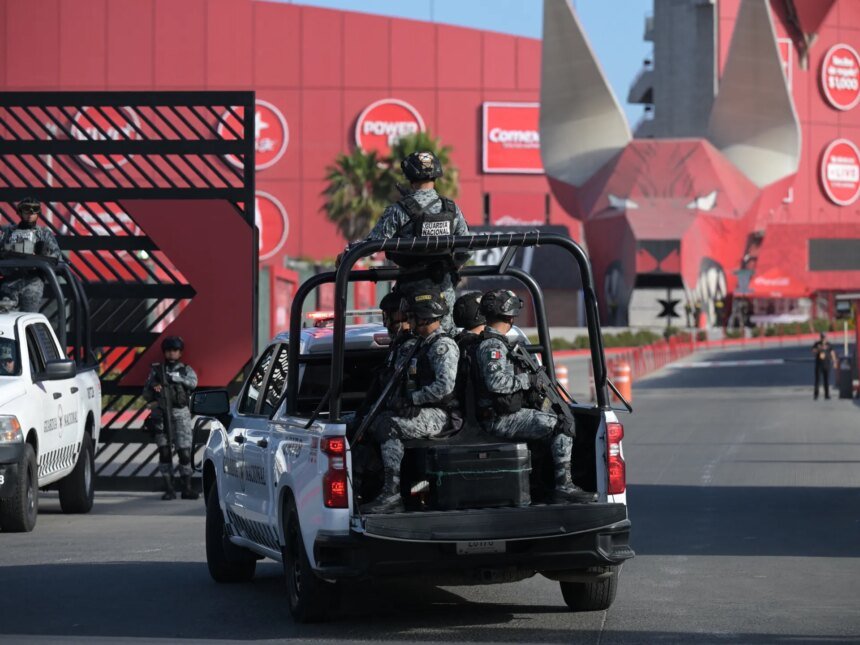
The Marriott Hotel is located in Tijuana, Mexico, less than 240 kilometers from the World Cup Stadium in Los Angeles, where the hotel hosts the Iranian national team. The entrance to the hotel is surrounded by security barriers, and is guarded by members of the police and the Mexican National Guard carrying their weapons. No one is allowed to enter without a hotel reservation or a special permit.
Despite the tensions and challenges surrounding Iran’s participation in the World Cup, the atmosphere of the four-star hotel is one of relaxation, even joy, in the early morning on Saturday.
Read also
list of 2 itemsend of list
Dozens of fans gather and exchange friendly conversations, expressing their shared enthusiasm to see the national team’s players before they leave for their second match in the group stage.
Lucas Zarabi, 13 years old, says: “I wanted to come to encourage the Iranian football team, cheer for them when they leave the field, and make them happy.” The young man, who attended the 2-2 draw with New Zealand on Monday, holds a ticket for Sunday’s match against Belgium.
Lucas is one of several fans from Los Angeles who drove all the way to stay with the team. Others flew in from San Jose, California, and even from Miami, arriving at the hotel less than 6 kilometers from the border crossing.

Unfair conditions
Some stressed the importance of attendance, given what they described as the unfair conditions imposed on the team. After the outbreak of war, the Iranian national team was forced to move its camp from Tucson, Arizona, to Tijuana, and eleven officials and members of the technical staff did not obtain entry visas to the United States.
The United States also refused Iran’s requests to arrive two days before the matches, and obligated the team to leave immediately after the match ended.
Abbas Eftekhari, who was born in Iran and has lived in the United States for more than 40 years, says: “Every little technical detail makes things difficult for the team. I think this will exhaust them psychologically and physically.”
The Iranian Football Federation expressed its dissatisfaction with these obstacles, announcing its intention to file a complaint with FIFA.
“Football should not lose its power to politics,” Hedayat Mombini, secretary general of the Iranian Football Federation, said on Friday. He added that these restrictions “undoubtedly affect us negatively, but we are trying to overcome these problems with our Iranian pride.”

Since the team’s arrival on June 7, Ali Islami has visited the hotel gate almost daily.
Islami, who spends his time between Southern California and Tijuana, said: “I am very happy. I wished them all the best, and told them that it is difficult, but they are making a wonderful effort.”
And he was there again on Friday, waiting for the players to return from afternoon training a few steps away at Estadio Caliente, home of the Mexican Cholos.
He said: “I have lived in America for 50 years, and this is the most touching moment for me, to see a team that I have not seen in 50 years.”
Some fans of the Iranian national team fear negative reactions from their compatriots in the diaspora for their support of the team, stressing that they are in Tijuana for the love of football and the players, and not for political reasons, while Eftekhari fears that the general atmosphere in Iran’s first match, where fans and demonstrators clashed, may have affected the players.