Published on 6/30/2026
|
Last update: 11:25 (Mecca time)
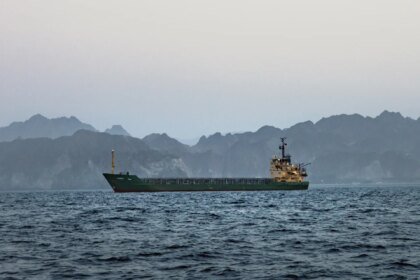
Oil prices fell in trading today, Tuesday, as investors awaited the results of possible talks between the United States and Iran in Doha, amid continuing uncertainty regarding their holding, at a time when markets are still monitoring the repercussions of military tensions on energy flows through the Strait of Hormuz.
Brent crude futures for August delivery, which expire on Tuesday, fell by 0.89%, or 65 cents, to $72.50 a barrel by 07:20 GMT, while the September contract, the most widely traded, fell by 0.53%, or 39 cents, to $73.52 a barrel.
Read also
list of 4 itemsend of list
These levels are about $20, or 22% lower than the price at the end of last month.
US West Texas Intermediate crude also fell by 0.79%, or 56 cents, to $70.19 per barrel.
The decline came as markets awaited the fate of possible talks between Washington and Tehran, after the two sides exchanged missile launches over the weekend, in a new test of the temporary ceasefire aimed at ending the war that broke out at the end of last February.
Tim Waterer, chief market analyst at KCM Trade, said that investors “are keeping in mind hopes for a positive outcome from the Doha talks, even though flows through the Strait of Hormuz have not yet returned to normal.”
He added, “The market is cautiously optimistic, but it is still hedging its bets until we see more tangible signs of easing tensions.”

Conflicting statements
On the other hand, Iranian Deputy Foreign Minister Kazem Gharibabadi said that Iranian and Omani experts will begin talks in the coming days to redefine navigation routes in the Strait of Hormuz, adding that his country will seek to prevent the passage of ships outside the specified lanes.
But Iranian Foreign Ministry spokesman Ismail Baghaei denied the existence of any imminent negotiations, saying that “there will not be any negotiating meetings at any level with the American side in the coming days.”
For his part, US President Donald Trump told reporters at the White House that “the meeting in Doha may be important, or it may not. We will see.”
The conflicting statements highlighted the fragility of the June 17 cessation agreement, which came after disturbances that affected global oil flows through the Strait of Hormuz, and also became a political test for the Trump administration before the congressional elections scheduled for November.
Israel did not join the peace talks between the United States and Iran, and moved away from the agreement, while shipping data showed that Middle Eastern producers continued to load oil and liquefied natural gas despite recent attacks on ships and renewed clashes.
In this context, Goldman Sachs analysts wrote in a note that, “Assuming Gulf flows continue to recover at the same moderate pace that prevailed in the past two weeks… Gulf flows may return to pre-war levels of 23 million barrels per day by early July.”
Shipping data showed that shipping traffic last week reached its highest levels since the outbreak of the conflict at the end of February, an indication of the continued recovery of energy exports despite security tensions.