

Published On 5/7/2026
Mali, Niger, and Burkina Faso officially began the procedures to withdraw from the International Criminal Court, after the three countries submitted their written withdrawal documents to the Secretary-General of the United Nations last June, as confirmed by the court and international human rights organizations, so that the withdrawal will enter into force one year from the date of deposit. Human Rights Watch stated that Niger submitted its withdrawal document on June 18, followed by Burkina Faso and Mali on the 24th of the same month, noting that the withdrawal takes effect one year after notification.
The official filing comes in implementation of a joint declaration issued by the three countries, members of the Sahel States Alliance, on September 22, 2025, in which they said they were leaving the court “with immediate effect,” describing it as “a new colonial tool of oppression in the hands of imperialism,” months after their official withdrawal from the Economic Community of West African States (ECOWAS) and its court in January 2025.
According to Human Rights Watch, the three military governments provided similar justifications in their notifications submitted to the United Nations, as Niger accused the court of being “misused and exploited,” while Burkina Faso considered that it was “turning into a selective and politicized tool.” The organization noted that the three governments did not mention in their notifications the increasing international condemnation they face due to atrocities committed by their security forces and their widespread suppression of human rights.
For its part, the African Institute for Security Studies said that the joint statement of withdrawal was issued by the President of Mali, Assimi Goeta, in his capacity as head of the coalition, and that the three countries announced their adoption of “local and home-grown mechanisms” to consolidate peace and justice, after they had announced in June 2025 a project to establish a coastal court for crimes and human rights.

Deferred legal effect
Legally, the deposit does not have an immediate effect. According to Article 127 of the Rome Statute, on which the International Federation for Human Rights relied, withdrawal does not take effect until one year after written notification, and until then the three countries remain bound by all their obligations under the system, including the duty to cooperate with the court. Also, withdrawal does not affect the ongoing procedures related to crimes committed before its entry into force.
The court has been investigating the situation in Mali since 2013, based on a referral from the Bamako government itself in 2012, and issued two convictions in the cases of Ahmed Al Mahdi and Al Hassan Ag Abdel Aziz, with orders to compensate the victims, while an arrest warrant is still in place against Iyad Ag Ghali, the supposed leader of the Ansar Dine group, according to the International Federation for Human Rights.
However, the practical impact may precede the legal deadline, as the African Security Studies Institute believes that the court can continue to consider its open cases in Mali even after the withdrawal takes effect, but this “will be difficult” without full cooperation from the Malian authorities.
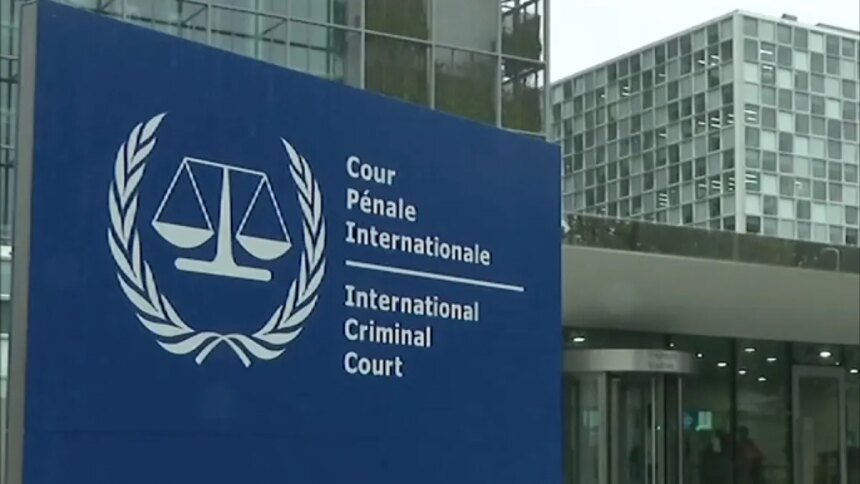
The court warned in a statement that the withdrawal of states from its membership “threatens to undermine the collective endeavor to achieve justice and weaken global efforts to end impunity,” while the presidency of the Assembly of States Parties called on the three countries to remain parties committed to the Rome Statute, and offered them a “serious exchange” on the matter.
The armies of the three countries, whose leaders came to power through coups between 2020 and 2023, are engaged in armed conflicts with armed groups, during which Human Rights Watch documented mass killings of civilians, arbitrary detentions, and forced displacement carried out by government forces alongside allied militias and foreign fighters.
The door to withdrawal remains open in theory, as Human Rights Watch reminded that withdrawal notices are subject to withdrawal, as Gambia did previously and Hungary recently, calling on the African Union and the member states of the court to urge the three countries to reverse their decision.