

Published On 5/7/2026
|
Last update: 23:20 (Mecca time)
Amid an exceptional heat wave that has been hitting France for days, some mosques have turned into humanitarian sanctuaries open to everyone, after they took the initiative to receive those affected and provide cool places and drinking water, in a scene that reflected community solidarity that transcended religious affiliations during one of the hottest summer heat waves.
In the suburb of Montreuil, located east of Paris, journalist Abdel Khaleq Jabbahi monitored for Al Jazeera an initiative launched by local mosques in response to the rising temperatures, after they opened their doors throughout the daylight hours to receive the elderly, passers-by, and all those burdened by the heat wave, at a time when the French authorities continue their warnings of the dangers of hot weather.
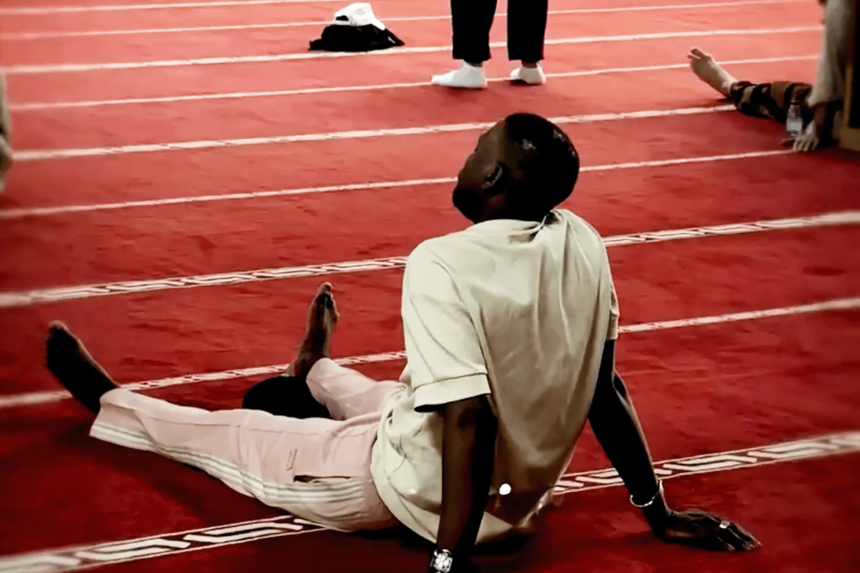
The scenes showed the prayer halls transformed into spaces for rest, as some visitors sat on chairs, while others lay on carpets to escape the heat, while cold water bottles were distributed inside the mosque.
The head of the Montreuil Muslim Council, Hassan Hormuz, said that the initiative was launched after those in charge of the mosque noticed people suffering in the streets during the heat wave, looking for a place to take shelter from the high temperatures, which prompted them to open the doors of the mosque to everyone.
Hormuz explained that the mosque kept its doors open throughout the heat wave, which lasted for nearly 10 days, taking advantage of the coolness of its halls thanks to the ventilation system, which provided a suitable environment to receive those in need of a safe place away from the sun’s rays and stifling heat.
He added that those in charge of the mosque provided cold water and some dates, in addition to halls designated for sitting, resting, or praying, stressing that the initiative was not directed at Muslims alone, but rather received everyone who needed help without discrimination.
The head of the Montreuil Muslim Council believed that this step reflects the human values advocated by Islam, and confirms that Muslims are part of French society, and bear the responsibility of contributing to the service of their surroundings, thus enhancing the culture of coexistence and confronting the stereotypes associated with the Muslim community.
How did you start the initiative?
For his part, the Friday Imam of the Al-Islah Mosque, Ibrahim Bel Hajj, said that the idea of the initiative came from the mosque officials with the aim of alleviating the impact of the heat wave on the residents of Montreuil, after the high temperatures imposed daily challenges on many of the elderly and people in the streets.
Belhaj explained that the initiative sought to consolidate the values of cooperation among the city’s residents, based on the mosque’s mission, which is not limited to performing rituals, but extends to serving the community in times of crisis, and providing assistance to everyone who needs it without regard to their background or belief.
He added that the initiative is inspired by Islamic values that call for cooperation and compassion, considering that opening the doors of mosques to everyone during a heat wave embodies these principles in reality, and turns them into a daily practice whose effects are felt by everyone who goes to the mosque seeking comfort.
The Friday Imam stressed that such initiatives present a different image of Islam in France, and highlight that coexistence with the various components of society is not just rhetoric, but practical behavior that clearly appears when religious institutions join forces with their surroundings to confront exceptional circumstances.
This initiative comes at a time when large areas of France are witnessing a heat wave that has prompted official and civil institutions to take measures to limit its effects, while the mosques of Montreuil chose to open their doors to everyone, confirming that the role of places of worship goes beyond their traditional function, when crises impose urgent humanitarian needs.