

In the first moments of Sasha Waters’s new documentary, “Mary Oliver: Saved by the Beauty of the World” (in theaters), Stephen Colbert tries to recite “The Summer Day,” one of Oliver’s best-known poems. It’s the one that ends with the inquiry, “Tell me, what is it you plan to do / with your one wild and precious life?” But he doesn’t get more than a few words into it before he’s too choked up to continue. Later, he tries again, with only a bit more success.
That is the kind of effect that Oliver’s poetry, with its spiritual cast and vivid images of the natural world, has had on her avid readers. (Her books have appeared on best-seller lists.) Waters’s film, in part, seeks to explain why her poetry means so much to many people, even those who might not typically read poetry. Some of the participants are admirers: Oprah Winfrey, Lucy Dacus, Steve Buscemi. Some are fellow poets of considerable renown: Major Jackson, Mark Doty, Ada Limón. And some are just friends of Oliver’s, including — perhaps improbably — the director John Waters, who was close to Oliver and her partner, Molly Malone Cook, for decades.
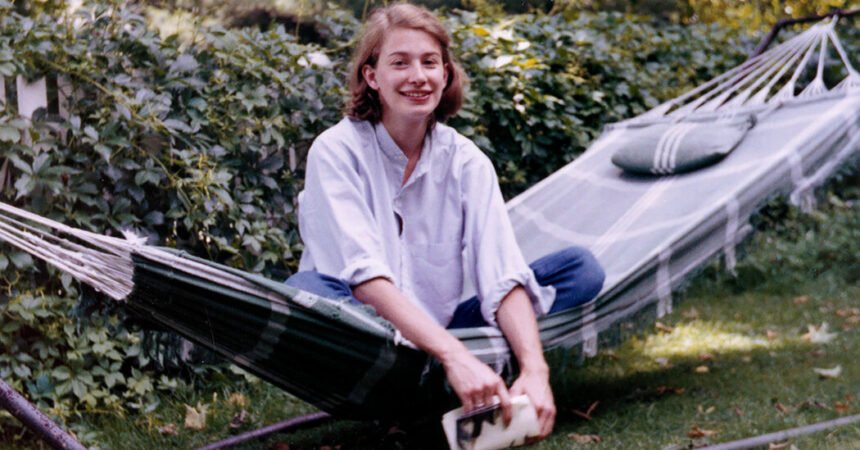
“Saved by the Beauty of the World” is structured along the spine of Oliver’s biography, beginning with a difficult childhood and ending with her death in 2019 at the age of 83. Along the way, Sasha Waters uses archival footage, photographs, recordings and new nature imagery shot in Provincetown (where Oliver and Cook lived for years) and elsewhere to outline Oliver’s life story, including years of hard work with little return and the decades of startling success. Often we hear Oliver’s voice explaining how she sees the world: “If you love something, you give it a lot of attention, and if you give something a lot of attention, you very often learn to love it,” she says in one recording. “And that spiritual investigation requires that you pay attention to the world, and paying attention to the world often leads you to love the world.”
But the film’s strength is the conversations with the participants about what Oliver meant — both what she meant in her writing, and what she meant to the world. They point out the deceptive simplicity of her poetry and discuss why at times other poets and critics have downplayed her significance. They talk about the challenges that poets in America face in making a living and being taken seriously. They talk about some of the critiques of Oliver’s work, as well as the dark periods in her life. And they read her poetry, discussing how it works on formal and emotional levels.