Published On 1/7/2026
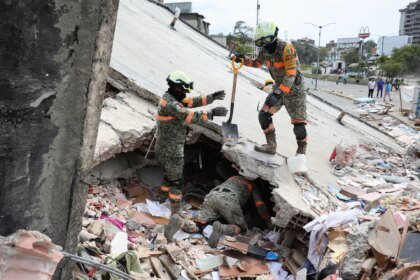
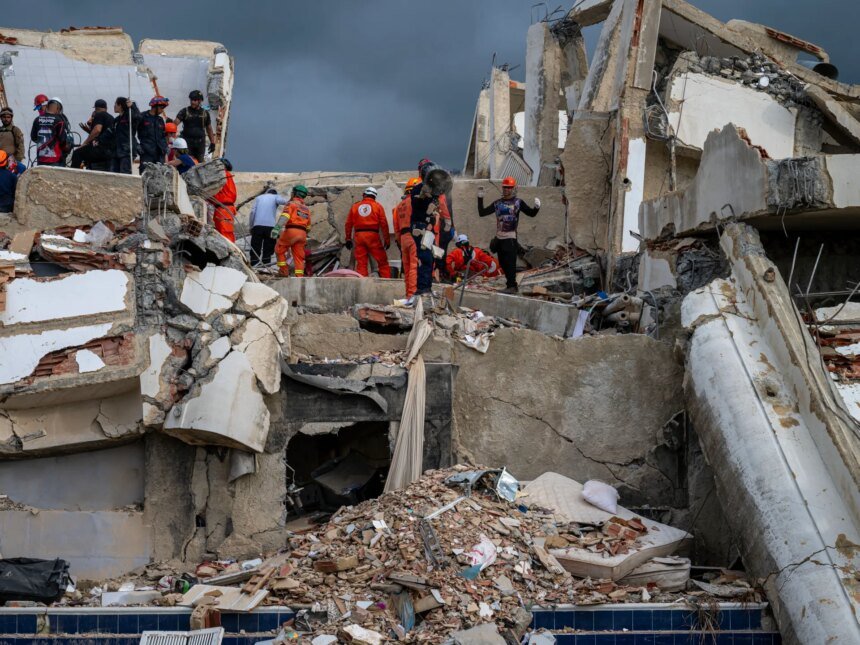
Today, Wednesday, Venezuelans – with the broad participation of specialized relief teams from around the world – continue their search for survivors under the rubble of destroyed buildings, a full week after two successive violent earthquakes occurred, leaving a large-scale humanitarian catastrophe in the country.
The two earthquakes, which measured 7.2 and 7.5 and occurred on June 24, killed 1,943 people and injured more than 10,500, according to what was announced by the President of the Venezuelan National Assembly, Jorge Rodriguez.
The United Nations also estimates that about 50,000 people are still missing, while preliminary data from NASA indicate that approximately 58,870 buildings may be damaged or destroyed.
With the critical 72 hours that usually determine the chances of survival under the rubble having passed, rescue operations registered a glimmer of hope – on Tuesday – in the recovery of a 3-year-old child in the capital, Caracas, through the efforts of a Jordanian relief team, in an incident considered exceptional 6 days after the disaster.
With these developments, Luis Arteaga Peñatuel, from a Spanish rescue team that recently arrived in Venezuela, said, “We are too late, but our goal is to continue saving lives and helping the trapped citizens who are still waiting for us.”

Humanitarian crisis and health challenges
The suffering of tens of thousands of survivors is exacerbated, as they face severe shortages of food and shelter, especially in the most affected coastal city of La Guaira.
The United Nations agency announced its urgent need for about $14.85 million to expand the scope of aid and provide temporary shelter for 30,000 people during the next six months.
The World Health Organization has warned of the enormous pressure facing health services in the country, noting an increasing risk of outbreaks of vaccine-preventable diseases, such as measles and diphtheria, as a result of weak vaccination rates that preceded the earthquake.
The Venezuelan government’s response sparked widespread anger among citizens who are already suffering from a chronic economic crisis that has weakened infrastructure and basic services.
Estimates indicated that the direct economic losses of the disaster amounted to about $6.7 billion, equivalent to 6% of the gross domestic product, with about 7 million people expected to be affected by its repercussions.
At a time when many Venezuelans have begun burying their dead, rescue teams from 27 countries – including more than 2,000 relief personnel and 160 trained dogs – continue to comb the destroyed sites.
In the port of La Guaira, the temporary morgue is still witnessing grieving families waiting to identify the remains of their loved ones, amid an atmosphere of sadness and despair experienced by those who lost entire families in moments of disaster.