Published On 1/7/2026
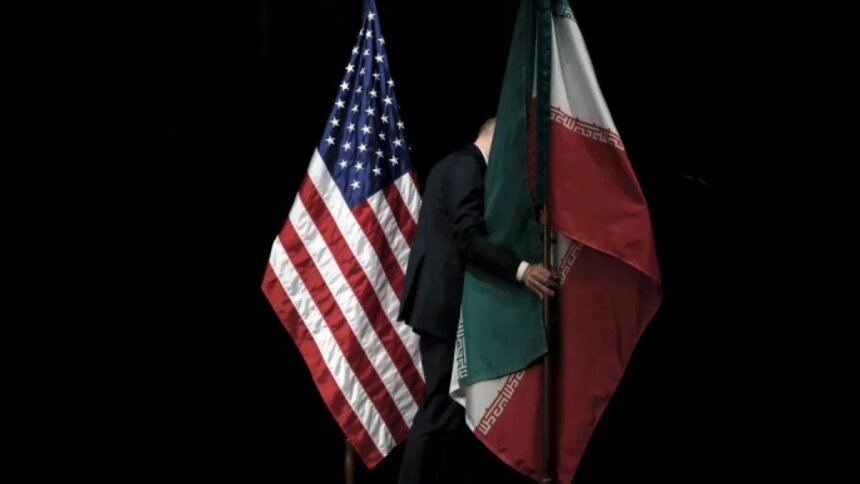
While the mediators are counting on the US-Iranian negotiations scheduled in Doha, today, Wednesday, as a first step to protect the political path between the two sides, analysts are more pessimistic and believe that it may be a prelude to re-closing the Strait of Hormuz and perhaps resuming the war unless the two sides make serious concessions.
Doha is scheduled to host technical teams from both sides to discuss files, which Qatari Foreign Ministry spokesman Majid Al-Ansari said yesterday, Tuesday, related to freedom of navigation in the Strait of Hormuz and frozen Iranian funds.
While Iran was talking about receiving $12 billion of its frozen funds – $6 billion of which were in Qatar – immediately after signing the memorandum of understanding, Al-Ansari said that the delivery of this money depends on the course of the negotiations.
But political researcher Muhammad Saleh Sedqian believes that any complication of the frozen funds file will impose more internal pressure on the Iranian government, and may push it to close the Strait of Hormuz again, and perhaps the return of war.
The Qatari mediator’s invitation to the American and Iranian delegations to Doha means that the negotiating track “faces a great danger that necessitated this urgent intervention,” according to what Sedqian said in an analysis for Al Jazeera.
Maybe we will go back to war
After the recent strikes directed by the United States against southern Iran, and in light of Washington’s insistence on conditioning progress on the frozen funds file on further negotiations, those who rejected the memorandum of understanding inside Iran became stronger, in Sedqian’s opinion, “because they say that the Iranian government provided everything for free.”
US President Donald Trump achieved a significant return to navigation in Hormuz, the flow of oil to world markets, and a decline in prices, while the Iranians did not get what was agreed upon, which may push them to re-close the strait if the Doha negotiations do not make progress on the frozen funds issue, in Sedqian’s opinion.
Yesterday, Tuesday, Iranian Parliament Speaker Mohammad Bagher Qalibaf said that his country would stop negotiations with the United States if there was no progress in these negotiations regarding lifting the ban on frozen funds.
But the senior researcher at the Al Jazeera Center for Political Studies, Dr. Liqaa Makki, believes that Sedqian’s words, although true, do not mean that Iran will not be harmed by the escalation of the situation.
If the United States benefited from the flow of oil to global markets after the opening of the Strait, Iran has also sold 50 million barrels of oil since the signing of the memorandum of understanding, and received its money as a result of the lifting of the American blockade on it, says Makki.
Therefore, closing the strait again means the return of the American blockade on Iran, and perhaps the actual return of war, but this will not be beneficial for both parties, in Makki’s opinion.
As for the increasing internal Iranian rejection of the agreement, it will give the negotiators the opportunity to demand American concessions to silence the voices calling for a halt to the negotiations, according to Makki, who said that Trump is also facing internal pressures that push him to demand more concessions from the Iranians.

Control of Hormuz
However, these negotiations do not revolve around the frozen funds as much as they revolve around the control that Iran wants to impose by force over the Strait of Hormuz, and is trying to exploit the diplomatic path to extract American acceptance of this dominance, according to Makki.
Iran, as the spokesman says, “wants to control the Strait and not just manage it,” and this is what drives it to impose more pressure, not only on the United States, but on all countries of the region, to impose this equation.
Aside from what the two parties want from these negotiations, what happened and is happening during these days “reveals the fact that the memorandum of understanding was written in faded ink, and that the intentions of the two parties were not sincere,” according to the words of writer and political analyst Iyad Al-Rifai.
Even if the Sultanate of Oman opened the strait unilaterally, this may lead to further complications “because Iran lacks political rationality at this stage, and all Iranian parties adopt one approach in the end, conservative and moderate,” in Al-Rifai’s opinion, who said that what is currently happening “may end with an explosion.”