Published on 6/30/2026
|
Last update: 19:30 (Mecca time)
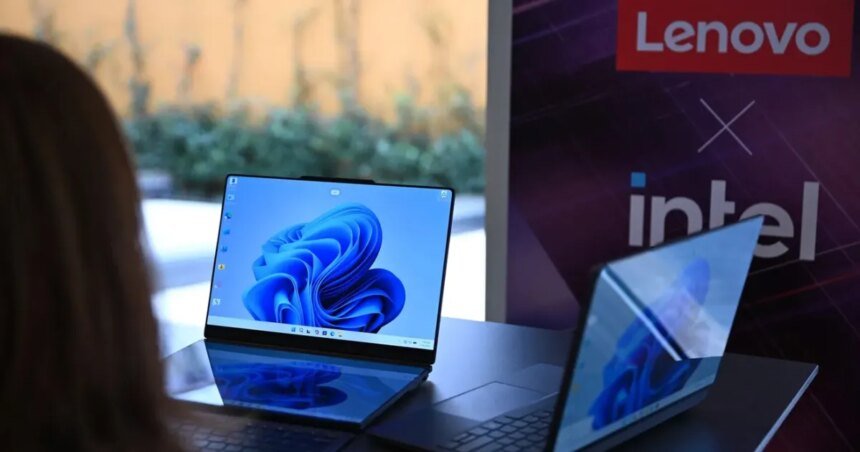
Lenovo, the Chinese company that manufactures computers and technical products, warned that the prices of memory allocated to computers will never return to what they were in the past, according to a report by the American technical website “PC Games” yesterday, Monday.
The company said during a recent presentation at the ISC 2026 conference, which was held in San Sebastian, Spain, that the prices of random access memory (RAM) “will never return to what they were last year,” and although this statement was delivered in a somewhat comical way, the underlying message was clear.
The company confirmed in its speech that what we are experiencing today with memory prices will become the new normal, and their prices may stabilize starting in 2030, although they may be higher than previous years.
Memory manufacturing companies are racing to open new factories to meet the growing demand for their products and try to reduce their prices, but the PC Games report indicates that demand is high enough to prevent prices from falling even if new factories are opened by companies such as SK Hynix and Samsung.
The report stated that the prices of DDR5 memories with a capacity of 32 GB rose to $400 compared to their previous price, which was only about $70.

In a related context, a class action lawsuit filed by 3 companies and 14 individuals accused the world’s largest memory manufacturing companies, such as Samsung, SK Hynix, and Micron, of “conspiring” to fix the prices of random memories of various categories, which resulted in an unprecedented rise in the costs of building computers and related products, according to a report by the American technical website “Polygon.”
Collusion to raise memory prices by 700%
The lawsuit explained that the three companies cooperated together to reduce their production of commercial DRAM memories to focus on high-bandwidth memories (HBM), even though it is less profitable, according to what was stated in the report.
Together, the three companies monopolize more than 90% of total sales in the random memory sector around the world, and because of that, memory prices have increased by about 700% over the past four years, according to the report.
The lawsuit also indicated that the three companies cooperated together in a “criminal conspiracy” between 1998 and 2002, according to the report, to fix the prices of memories sold to American companies. Samsung later pleaded guilty and paid a fine amounting to $300 million, while Hynix paid $185 million and Micron avoided the penalty because it reported what the lawsuit describes, according to the report, as a “conspiracy.”
The Polygon report adds that the lawsuit seeks the granting of a permanent injunction to address the ongoing effects of the behavior of the three companies, which it describes as “unlawful and anti-competitive.”
It should be noted that the memory crisis has led to an increase in the prices of many products aimed primarily at users, from the PlayStation and Xbox platforms to mobile phones and tablets such as the iPad.