Published on 6/28/2026
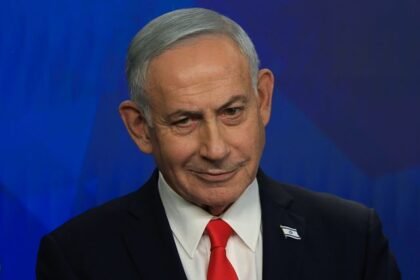
Under the title “Netanyahu is a victim of his own strategy,” the French website Mediapart shed light on the political impasse facing Israeli Prime Minister Benjamin Netanyahu, as it saw that he is caught between multiple pressures that threaten his political future.
The “Press” program on Al Jazeera monitored, in its tour of the international press, the sharp criticism facing Netanyahu inside Israel, which sees that he made concessions in the face of Iran and demands that he continue escalation, while at the same time he finds himself faced with the demands of the American administration to reduce tension with Tehran, and he considers these two parties the partners on whom he depends for the survival of his government coalition.
The French website believes that Netanyahu, who has always relied on crisis management to strengthen his political position, is today besieged by the results of his choices, as the strategy he has followed over the past years has narrowed the margin of his movement, especially with the approaching Israeli parliamentary elections scheduled for next fall.
According to the French reading, the Israeli Prime Minister now faces a difficult equation. Trying to please Washington may collide with the positions of the extreme right within his government, while responding to the demands of his partners may increase international pressure on him, making him find himself facing a political trap of his own making.
In another file, the Israeli newspaper “Haaretz” covered an article by writer Gideon Levy, in which he talked about the continuation of what he described as a policy of collective punishment in the West Bank, saying that Israel is adopting a similar approach in the West Bank to what happened in Gaza.
Levy points out that the repercussions of the war on Gaza were not limited to the Gaza Strip, but rather extended to the West Bank through measures, restrictions and continuous escalation, considering that this policy is based on punishing the Palestinians collectively, even before any armed actions on their part occur.
As for the New York Times, it discussed the renewed tension between Washington and Tehran, and linked this to the ambiguity surrounding the ceasefire agreement between the two parties.
The newspaper quotes analysts that the broad wording of the agreement, which helped to pass it, opened the door to different interpretations for each party, as Washington believes that it maintains freedom of navigation, while Tehran considers guaranteeing transit movement temporary, and demands a greater role in managing navigation and imposing transit fees.
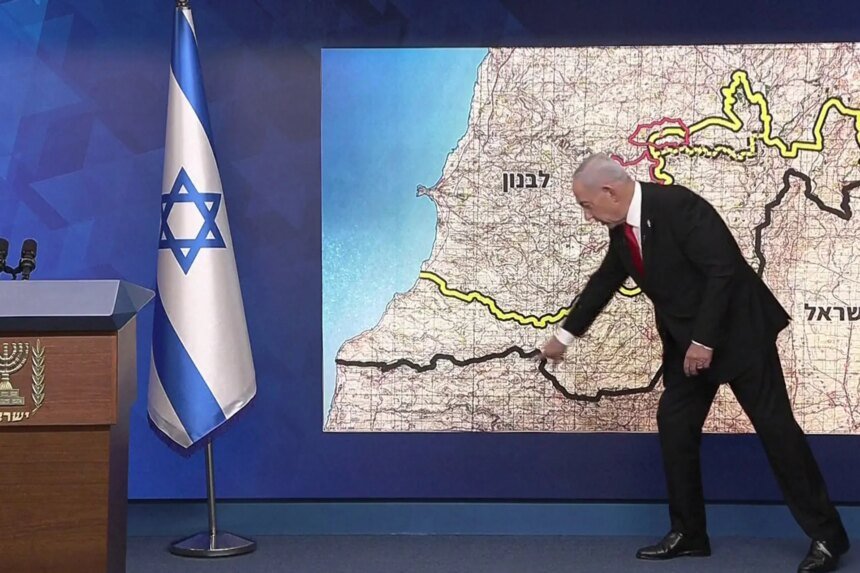
Regarding the Lebanese issue, The Guardian newspaper reported warnings from human rights activists that any final agreement between Lebanon and Israel may lead to closing the door to international justice, especially with regard to holding Israel accountable for the violations that occurred during the war.
The report indicated that the framework agreement includes provisions related to stopping the fighting and international legal procedures, which raises concerns about the possibility of restricting the efforts of victims and human rights organizations in prosecuting those responsible for violations before international courts.