Published on 6/26/2026
|
Last update: 14:48 (Mecca time)
At first glance, the task of removing glue stuck to clothes seems impossible without damaging the fabric or changing its color, but experiences provided by clothing care guides indicate that most of these stains can be dealt with at home calmly, if we take into account the type of glue, the quality of the fabric, and the time that has passed since the stain.
How to start? Let the glue dry first
A common mistake is to try to remove the glue while it is still wet, as this often leads to it spreading into the fabric fibers and making it difficult to remove later. Therefore, it is recommended to leave the glue to dry completely before any cleaning attempt.
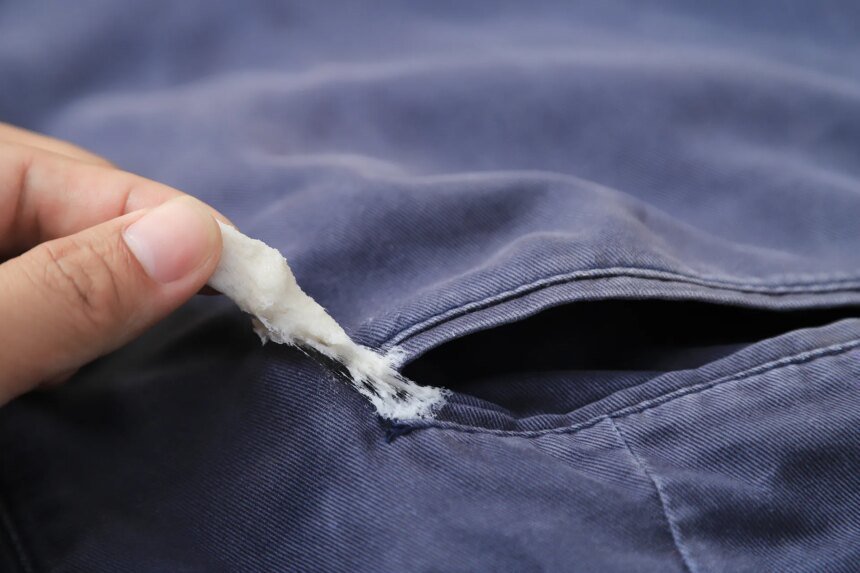
After drying, you can use a dull knife, the edge of an old plastic card, or a knit brush to gently scrape off as much glue as possible, being careful not to tear or scratch the fabric.
Soak the stain to soften the glue
If traces of glue remain after scraping, the contaminated area can be soaked in cold or lukewarm water for several hours or overnight. Soaking helps soften adhesive residue and make it easier to remove, especially in the case of water-based school and craft glues.
As for small stains, it is recommended to gently press them using a clean cloth or paper towel to absorb any residue without rubbing them, because rubbing may push the glue deeper into the fabric.
Effective and relatively safe home solutions
Professional evidence suggests that a number of simple household items can help break down different types of glue, including:
- White vinegar.
- Medical alcohol (such as rubbing alcohol).
- A mixture of warm water with a small amount of vinegar.
Place a small amount of the chosen material on a piece of cotton or a clean cloth, then gently pat it on the stain. It is always recommended to test the material on a hidden part of the clothing first to ensure that it does not affect the color or fabric.
After completing the treatment, wash the piece in the usual way, making sure that the stain disappears completely before placing it in a heat dryer, because heat may make traces of the glue permanent.

Removing glue according to its type
1- Super Glue
It is recommended to wait until it dries completely before attempting to remove it, then carefully scrape off the outer layer using a blunt instrument.
To deal with the residue, you can use nail polish remover containing acetone, placing a clean cloth behind the stain, then dabbing with a cotton swab moistened with a small amount of acetone – after testing it – instead of rubbing.
2- Thermal glue
It is recommended to leave the thermal glue until it cools and hardens completely, then the piece can be placed in the freezer for a short time, as the cold makes the glue more fragile and easier to peel and lift gently.
Chemical solvents are not usually effective with this type of glue, and may harm sensitive fabrics, so it is preferable to rely on cooling and careful abrasion rather than strong materials.
3- School glue and craft glue
These types are often water-based, so they are easier to remove. Usually enough:
- Absorb excess glue with a cloth or paper towel.
- Soak the clothes in cold or lukewarm water, and leave them for several hours or overnight if necessary.
- Wash the item in the washing machine or by hand after soaking, repeating the process if minor traces remain.
In the case of glitter glues used in artwork, it is recommended not to use hot water, as the heat may set the stain instead of removing it.
4- Fabric glue and strong adhesives
These types are designed to form strong bonds with the fabric, so their removal is more complicated, and requires patience and repeated attempts.
Medical alcohol or diluted vinegar can be used to help gradually break down the glue, gently patting the stain and avoiding violent rubbing so as not to damage the fibers. This process may need to be repeated more than once until the stain gradually weakens.

When should you be careful with acetone?
Although acetone is effective in dissolving some types of glue, especially superglue, it may cause:
- Fading or discolouration of some fabrics.
- Damage to some sensitive synthetic fibers.
- Weaken the fabric if used in large quantities or repeatedly.
Acetone is a highly flammable substance, so it should not be used near flames or in closed, poorly ventilated spaces.
This is why it is recommended that:
- Test the acetone on an internal or inconspicuous part of the item.
- Use the smallest amount possible, and place a cloth behind the stain to protect the other layers.
- Wash the piece well after finishing to get rid of any residue.
How to avoid glue stains?
Prevention is always easier, and glue stains can be reduced through simple steps:
- Use old clothes or an apron for crafts and activities that require glue.
- Work in an organized space away from clean clothes or bedding.
- Clean up any spillage as soon as it occurs, by absorbing it with a paper towel without rubbing.
- Avoid rubbing the glue when it falls on the clothes, and leave it to dry before trying to remove it.
- Do not use a heat dryer before ensuring that the stain is completely gone, because the heat sets the glue and makes it more difficult to remove.
Frequently asked questions
-
What should I do if the glue is still wet?
It is recommended to absorb the excess amount with a paper towel or cloth without rubbing, then leave the rest to dry before starting to scrape or treat it.
-
Is it better to use hot water?
It is preferable to use cold or lukewarm water, because heat may make the glue more stable on the fabric, especially in the case of shiny glues or some strong types.
-
Can clothes be washed in a washing machine?
Yes, but only after removing as much glue as possible by hand first, and avoiding a heat dryer before ensuring that the stain is gone.
Diluted white vinegar is a relatively safe household option, and helps in loosening many types of adhesives, especially with soaking in water and using gentle abrasion.