Published on 6/28/2026
|
Last update: 13:35 (Mecca time)
The city of Qamishli, located in northeastern Syria, has a rare feature, as its residents use four different names for the same city: Al-Qamishli, Qamishlo, Al-Qamishliyya, and Zalin. This ethnic and linguistic diversity reflects the depth of cultural diversity that has shaped the region’s identity over the decades.
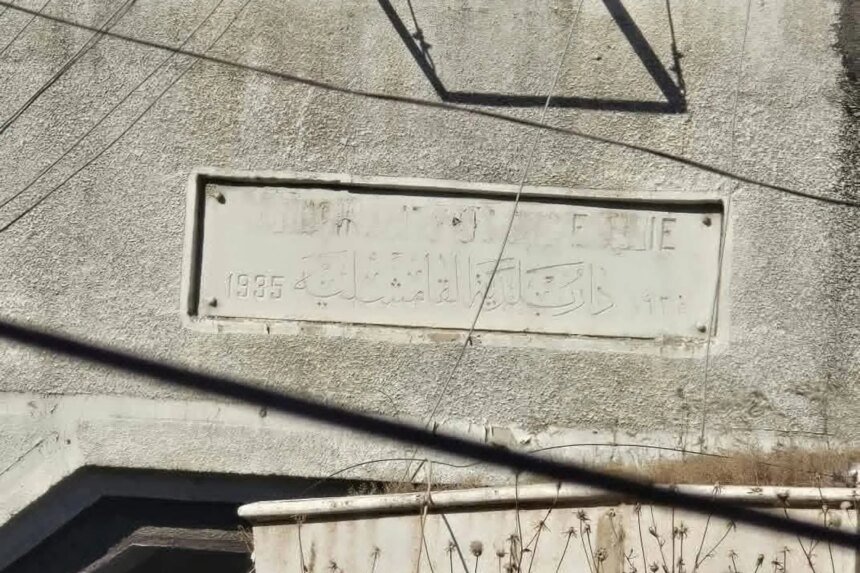
The discovery of an ancient stone plaque dating back to 1935 reignited the debate about the first official codification of the city, as the phrase “Qamishliyya Town Hall” was inscribed in both Arabic and French.
Documentation indicates that the first municipality was established there in 1935, while the actual founding of the city dates back to 1926.
From river reeds to a mall
The origin of the most famous name “Qamishli” goes back to the Turkish word “Qamish”, which means “reed”, in reference to the plant that used to cover the banks of the “Jaghjag” (or Jaghjaq in other dialects) river passing through the city.
The city witnessed a strategic transformation in 1928 with the construction of the railway station, turning it into a vital commercial center linking Aleppo to Mosul. This recovery attracted successive waves of immigration from Arabs, Kurds, Syriacs, and Armenians, and the arriving Jews at that time established the famous “Ezra Market,” which turned into the main center for grain and wheat trade in the Syrian Jazira.
Four names for one identity
This population diversity has produced multiple versions of the city’s name depending on the local components:
- Al-Qamishli: The official government-approved name.
- Qamishlo: The word used in Kurdish, which was widely used linguistically and administratively, and its use expanded after the events of 2004.
- Al-Qamishliyya: The old pronunciation used by generations of the people of the city, specifically Al-Mahalamiyah and Al-Mardaliyya.
- Zalin: The name given to the city by the Syriac component.

Historical rooting
The Syrian Kurdish researcher, Kuni Rush, author of the book “The History of Qamishli,” believes that the word “Qamishli” is the oldest and most accurately documented name, noting that the word “Qamishlo” was used extensively by the Syrian Kurds after the events of 2004.
Despite the difference in tongues and names, social readings agree that the city remains a model of unique pluralism in which multiple cultures have merged into one local identity.