Published on 6/24/2026
After new steps in the course of negotiations between Iran and the United States, signs of an internal division in Tehran began to appear between a faction that sees dialogue as an opportunity to escape the cycle of sanctions and tension, and another that is still skeptical of any rapprochement with Washington and adheres to a more stringent position.
The director of Al Jazeera’s bureau in Tehran, Nour al-Din al-Daghir, points out that the recent moves, which came after the signing of a memorandum of understanding and holding a meeting in Switzerland, opened the door to negotiations that might lead to an understanding that would end the state of ongoing clashes between the two countries over the Iranian nuclear program. However, reactions inside Iran revealed a difference in the reading of this step and its potential results.
There are still voices among the conservative movement who view any agreement with the United States with caution, and believe that Washington cannot be easily trusted. This position appears clearly in the media discourse of conservative newspapers such as Kayhan, which reflects a rejection of any rapprochement that might return Tehran to the path of negotiation with its main opponent.
On the other hand, parties close to the Iranian government believe that reaching an agreement with Washington may represent an opportunity to ease economic pressures and end the state of exhaustion resulting from sanctions and mutual threats.
Voices supporting the negotiation process say that recent developments may push the United States to show more flexibility, especially after what Tehran considers a demonstration of its military capabilities and regional power cards, most notably its ability to influence shipping traffic through the Strait of Hormuz.
These voices believe that any political breakthrough may have a positive impact on the Iranian economy and open the way for improving living conditions, in addition to addressing other issues related to foreign relations.
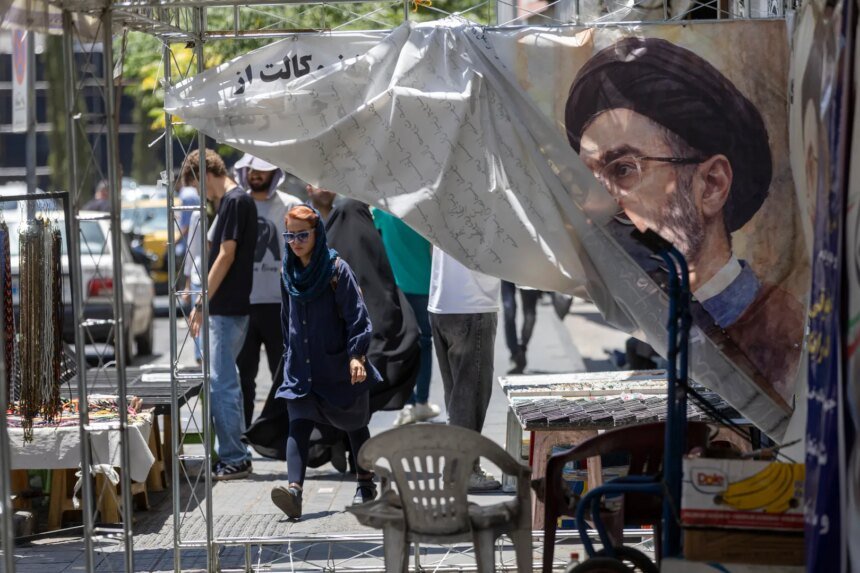
As for the Iranian street, the features of controversy are more apparent on social media, where positions vary between those who defend the agreement and see it as an opportunity to end the crises, and those who criticize the supporters of the negotiation and adhere to a more conservative position towards Washington.
At the same time, there are those who focus on the necessity of adhering to the state’s official decisions, considering that the negotiations represent a path led by the Iranian leadership within the framework of broader calculations.
Between those who see dialogue with Washington as an economic and political opportunity, and those who see it as a risk that may reproduce previous experiences, the nuclear negotiations remain a new test not only for the relationship between Iran and the United States, but also for the balances within Iran itself.