Published on 6/22/2026
|
Last update: 14:16 (Mecca time)
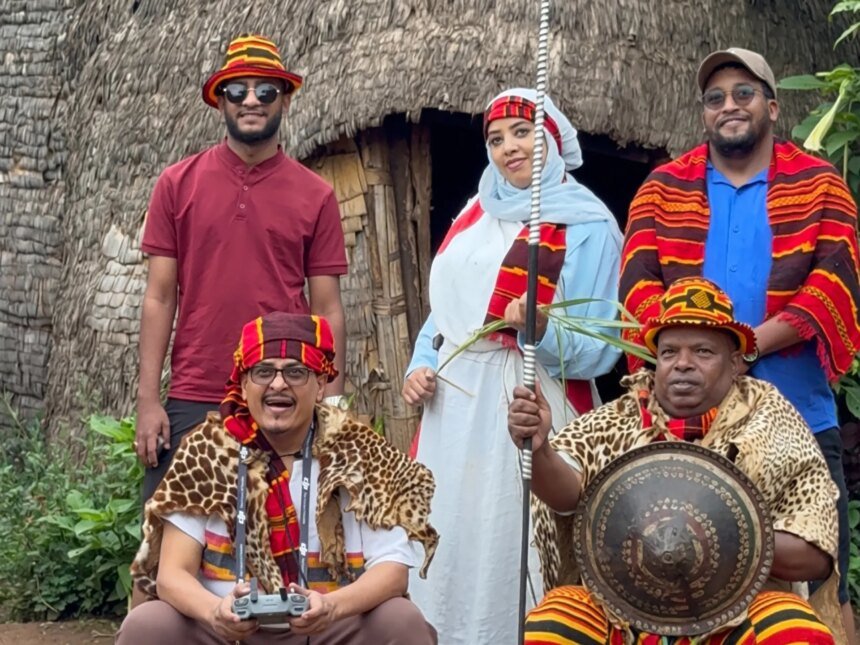
In the village of Dorzi, located in southwestern Ethiopia, a number of Gulf tourists sat on straw mats, wearing local costumes, to join the residents in traditional coffee sessions, exchange conversations with them, and listen to their stories about the village’s history.
Not far from the Coffee Council, other tourists participated in a tour of the surrounding farms, accompanied by the tribesmen, where they learned about the crops that the region is famous for, and some of them participated in harvesting the fruits.

These scenes have become familiar in the countryside of southern Ethiopia with the growing demand for Gulf tourists, led by Saudis, to visit remote villages with the aim of experiencing the details of the daily lives of local residents and getting to know closely their cultures and customs.

Guests, not tourists
Ghamdi Bera, a resident of the town of Debrezeit, which is witnessing an increasing demand, says that the people view those coming to their areas as guests who share with them the details of their daily lives. Speaking to Al Jazeera Net, he added that visitors’ interest in the customs of the local community gives residents a sense of pride, as they realize that what is considered an ordinary part of their lives holds special value for others.
Ghamdi explained that what was previously seen as something strange, such as staying overnight in traditional huts or participating in the harvest, has today become a sought-after experience. This type of tourism, according to him, provides additional income for families, and makes them more welcoming to visitors and more keen on the success of the experience.

Arba Minch and Awasa
For her part, Lina Mohammed, director of a tour operator in Addis Ababa, says that the demand from Gulf tourists for simpler experiences closer to nature has witnessed a noticeable increase. She indicated in her interview with Al Jazeera Net that the visitor coming from the Gulf cities wants to abandon the hustle and bustle of life and engage in the simple details of rural life.
Lina explains that tourist destinations are no longer limited to the capital, as areas such as Arba Minch, Awasa, and Debrezeit have emerged as major destinations, because of the experiences they provide that are only available in the countryside, such as riding traditional boats in lakes, accompanying shepherds on their movements, and participating in agricultural activities. She adds that tourists brag about sharing it on their social media accounts.
![Lina Mohammed, who runs a tour organization office in Addis Ababa, says that the demand from...[1]](https://www.aljazeera.net/wp-content/uploads/2026/06/shsyshsy6846-1782035008.jpg?w=770&resize=770%2C513&quality=80)
The simplicity of the countryside appeals to Gulf people
As for the Saudi content creator and influencer, Ali Dawoud, he says that the motivation behind the experience is to interact with nature away from the noise of cities, and to get to know Ethiopian culture closely. He added in his interview with Al Jazeera Net that the countryside represents a refuge that restores a person’s psychological balance and gives him a feeling of tranquility and renewal.

Dawoud points out that his experience was rich and distinctive despite the challenges associated with infrastructure in rural Ethiopia, stressing that the residents’ adherence to their traditions and the simplicity of their lives gives the experience an authentic character. He believes that lovers of meditation will find in this trip an opportunity to regain clarity of mind and focus on what is essential in life.
According to observers, the increase in the flow of Gulf tourists to Ethiopia is due to several factors, most notably geographical proximity, ease of obtaining a visa, and the availability of direct flights, in addition to hundreds of video clips published by influencers, content makers, and tourists, documenting the details of their trips and experiences.