Published on 6/24/2026
|
Last update: 10:20 (Mecca time)
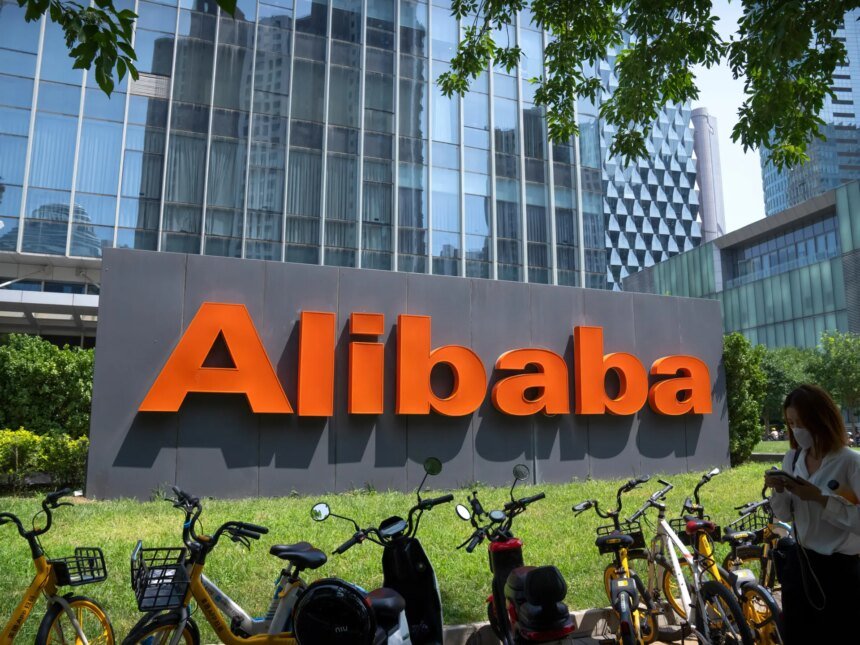
The Alibaba Group filed a lawsuit on Tuesday to challenge its classification by the US Department of Defense as a “Chinese military company,” considering that this classification is arbitrary and lacks due legal procedures.
The lawsuit, filed in the federal court in San Jose, challenges the Pentagon’s decision to include Alibaba on the federal list of military companies.
The text of the complaint stated, “These decisions lack any basis in reality or law.”
A spokesman for the group told Agence France-Presse on Wednesday: “Alibaba is not a Chinese military company and is not part of any military-civilian integration strategy.”
On June 8, the United States issued an updated list of Chinese companies that it believes are helping the Chinese military, which included the e-commerce site Alibaba, the search engine provider Baidu, and the electric car manufacturer BYD.
According to data from the Companies Market Cap platform, Alibaba’s market value currently stands at $246 billion, and this value reached its peak in October 2020 at $838 billion.
No new contracts
Under this classification, as of June 30, the Pentagon will not be able to conclude new contracts with classified companies or subsidiaries under its control.
This classification also limits the company’s ability to use lobbying groups in the United States, which the lawsuit says constitutes a violation of the rights guaranteed by the First Amendment to the US Constitution.
Alibaba explained in its lawsuit that it is a public joint-stock company listed on the stock exchange and specializes in providing e-commerce and cloud computing services and has a diverse shareholder base dominated by major American financial institutions, including JP Morgan, Citigroup, and BlackRock.
Last Monday, China imposed export restrictions on 10 American companies working in the field of defense and rare metals, in response to Washington’s inclusion of Chinese companies on a blacklist.
The Chinese authorities also banned government institutions from purchasing products from dozens of other American companies.
The Chinese Ministry of Commerce said earlier that the new export restrictions it imposed come “in response to the shameful action taken by the US government by adding the so-called list of Chinese military institutions,” adding that this step also aims to “protect national security.”
She added that the US sanctions on Chinese companies contradict the consensus reached by Chinese President Xi Jinping and his American counterpart, Donald Trump, during the latter’s visit to China last May.