Published on 6/22/2026
|
Last update: 17:11 (Mecca time)
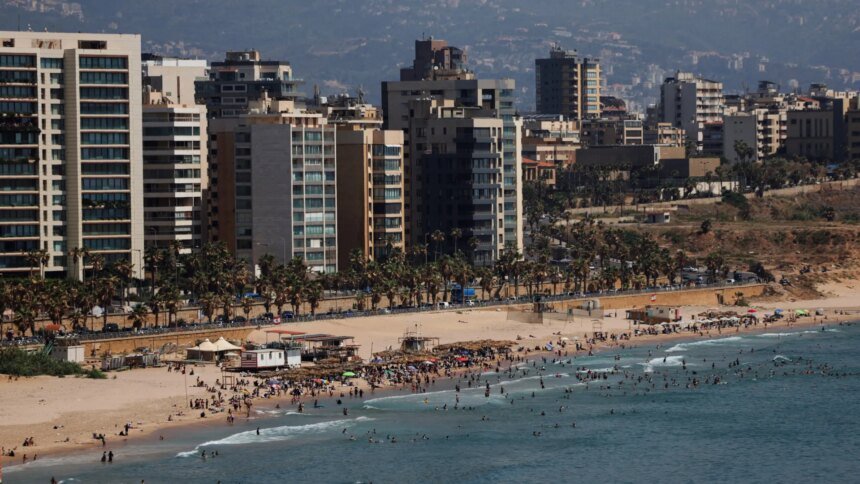
The tourism sector in Lebanon is facing losses as a result of the ongoing Israeli military operations, which is affecting the economic outlook as the summer season approaches.
This decline is directly reflected in the movement of restaurants, tourist resorts, and travel agencies, amid a decline in the numbers of visitors and the revenues that institutions depend on.
The damage includes financial and commercial aspects, in addition to cultural and historical sites, especially in southern Lebanon, where archaeological sites were subjected to direct bombardment, threatening historical monuments that form a pillar of cultural tourism.
The field conditions led to a change in the population’s priorities to being limited to securing basic needs, which caused a decline in economic activity and prompted tourism institutions to reduce working hours or lay off part of the employees.

Decline in restaurant and resort traffic
In the city of Sidon, the owner of the “Thawat” restaurant, Abdel Azzam, explained that the nearby military strikes affected the movement of customers, noting that the rate of demand for the restaurant decreased by a rate ranging between 80 and 90%, which caused the termination of the services of a number of employees as a result of the decline in purchasing power.
On the Chouf Coast, the owner of the Bahamas Resort, Ahmed Al-Junun, said that the current season is witnessing a decline due to the war conditions, adding that the fuel shortage has increased pressure on institutions, which has limited movement to conducting business at a minimum to cover basic expenses.
Travel agencies affected
In the travel sector, the owner of the “Tia Travel” office, Rawan Fakhr El-Din, explained that reservations have declined by no less than 80% as a result of the continuous flight cancellations. Fakhr El-Din indicated that the cessation of international airlines from operating their flights to Lebanon affected the work of tourism offices.
The work of these offices was limited to managing reservation cancellations and returning the value of tickets to customers instead of stimulating tourist activity. This situation prompted companies to adopt a part-time system to cover fixed expenses, as any security development leads to new cancellations.

Damage to archaeological sites
As for the cultural tourism sector, the director of archaeological sites in southern Lebanon, Ali Badawi, said that the movement of visitor delegations had reached “zero level” due to the war. He explained that the Israeli bombing had affected historical landmarks, including the ruins of the city of Tire, the Tibnine and Shamaa Castles, and the Beaufort Castle, in addition to damaging ancient mosques and churches.
In the city of Tyre, Adnan Istanbouli, an employee at the Ministry of Culture, reported that the raids caused damage to the city’s archaeological monuments, including archaeological columns in the sea and land forts, the museum building, and parts of the historical wall.