Published on 6/21/2026
A member of the Iranian negotiating team said that a draft regarding exemptions from sanctions imposed on Iranian oil exports has been completed, indicating that these exemptions will be issued soon, in a step that may pave the way for easing restrictions imposed on the Iranian energy sector.
Iranian official media quoted the official as saying that understandings regarding oil sanctions had reached an advanced stage, without revealing additional details regarding the size or duration of the exemptions.
Read also
list of 3 itemsend of list
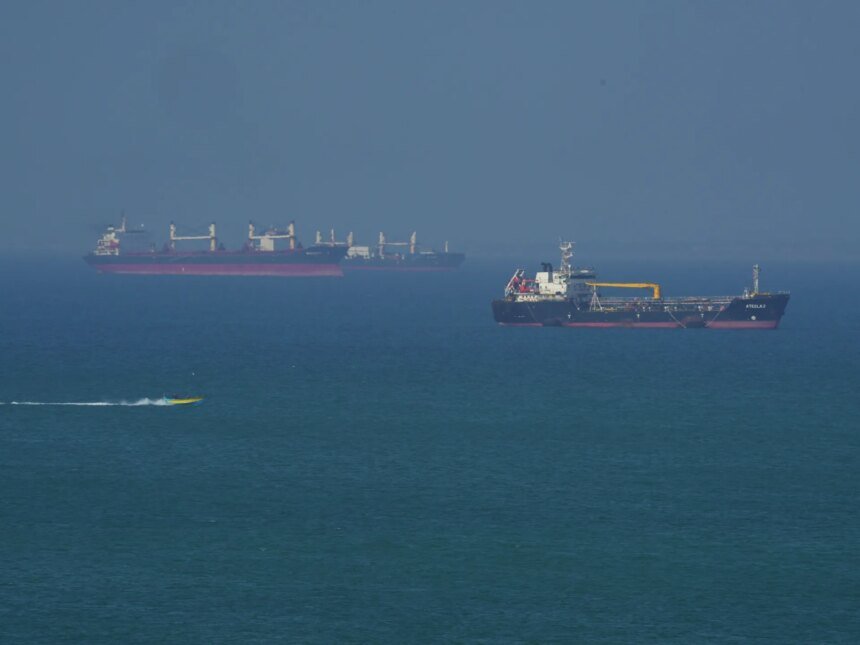
In a related context, the head of the National Iranian Oil Company announced on state television that more than 25 million barrels of the country’s oil have been able to cross what he described as the “siege line” since last Monday.
For his part, Iranian Oil Minister Mohsen Paknejad said on Sunday that the Iranian oil sector will become a decisive test for any final agreement between Tehran and Washington, if the Western parties maintain commitment to its content.
These developments come at a time when Tehran and Washington continue to work to complete the arrangements related to the initial agreement that aims to end the war and reopen the Strait of Hormuz, with markets awaiting the extent to which any easing of sanctions will impact Iranian oil exports and global supplies.
Observers believe that issuing new exemptions for Iranian oil and petrochemical exports may open the way for increased flows of Iranian crude to international markets, thus contributing to enhancing global supply during the coming period.
Storage crisis
Iranian crude exports amounted to about 1.5 million barrels per day last April, and fell to only about 260,000 barrels per day in May, which is their lowest level in at least six years, while onshore reserves rose from 60.6 million barrels in January to about 72 million barrels by mid-June, which is their highest level since the Corona pandemic.
At the same time, the volume of Iranian oil stored on tankers inside the Gulf has increased from about 14 million barrels in mid-May to about 24 million barrels now, after increasing quantities of crude became unable to leave the region.