Published on 6/22/2026
|
Last update: 22:59 (Mecca time)
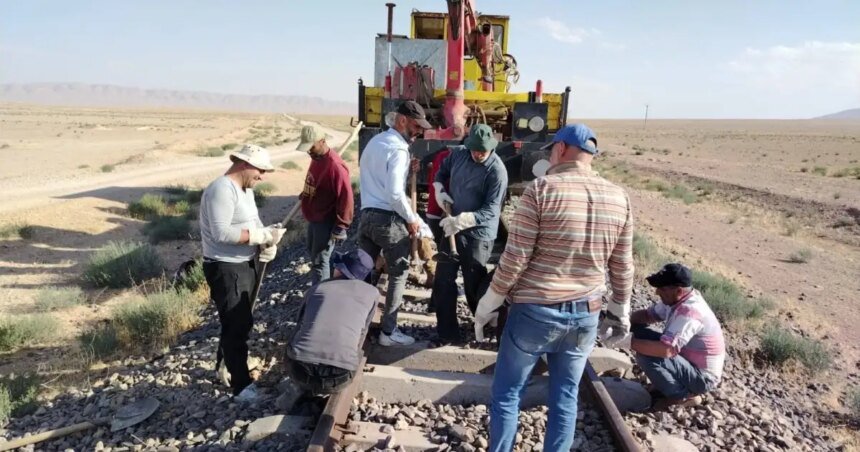
The “Syria Now” platform’s correspondent in the Hasakah countryside, northeastern Syria, said that a delegation from the Syrian Railways Corporation made an inspection tour of the railway linking Syria and Iraq, in order to learn about the extent of the damage to this railway and the conditions of the stations after 14 years of cessation.
The correspondent added that the Syrian delegation met with its Iraqi counterpart at the Yarubiyah crossing between the two countries to coordinate between them in order to revive the railway line by rehabilitating and maintaining the railway. Director of the General Corporation for Railways in Syria, Osama Azzam Haddad, said in a statement to “Syria Now” that the damage to the railway remains minor, adding that the rehabilitation work of the line can be completed within two months.
The Syrian official explained that maintenance will include carrying out some earthworks, barriers, and other simple things.
Development line
Haddad said that this railway line between Iraq and Syria is an extension of the existing development line between Eastern Europe, passing through Turkish territory and reaching Syria.
According to the Syrian railway official, the distance of the line currently being evaluated is approximately 80 kilometers, which shortens a significant distance between the Iraqi and Turkish sides, in addition to linking the Iraqi port of Al-Faw on the waters of the Gulf and the Iraqi dry ports, which will greatly alleviate the crisis related to the Strait of Hormuz.
The director of the railways for the northern region in Iraq, Qahtan Abdul Aziz, stated that this line will enable Iraq and Syria to exchange goods between them, and it will be an alternative to Iraqi ports in the field of trade exchange between the two countries.
During its operation, the railway line between Syria and Iraq connected the city of Mosul in northern Iraq to the city of Rabia, which is considered the last Iraqi border point between Iraq and Syria, and then to the Qamishli station in Syrian territory to continue its journey to the Turkish station of Nusaybin.
Regional movement
The Director General of Lebanese Railways and Combined Transport, Ziad Chia, announced two days ago that his country’s railway lines will return to operation next year, and the beginning will be with a line linking the port of Tripoli to the Lebanese-Syrian border.
Shea said, in statements to the Lebanese newspaper “Al-Diyar” published the day before yesterday, Saturday, that the goal of the project is for Lebanon to be part of the international regional transportation network, explaining that “what Lebanon really needs on the ground is a space of stability, so that all the projects that are prepared can come to the ground of implementation.”
Shea continued, “We have taken into account what is being worked on regionally, through the Hejaz line that starts from the Gulf, specifically from Saudi Arabia, passing through Jordan, reaching Homs, Aleppo, and Turkey, and from there to Europe.”
The Lebanese official pointed out that the war on Iran and the closure of the Strait of Hormuz hastened the intensification of meetings and studies on railway connectivity projects in the Arab and Gulf region.