Published on 6/19/2026
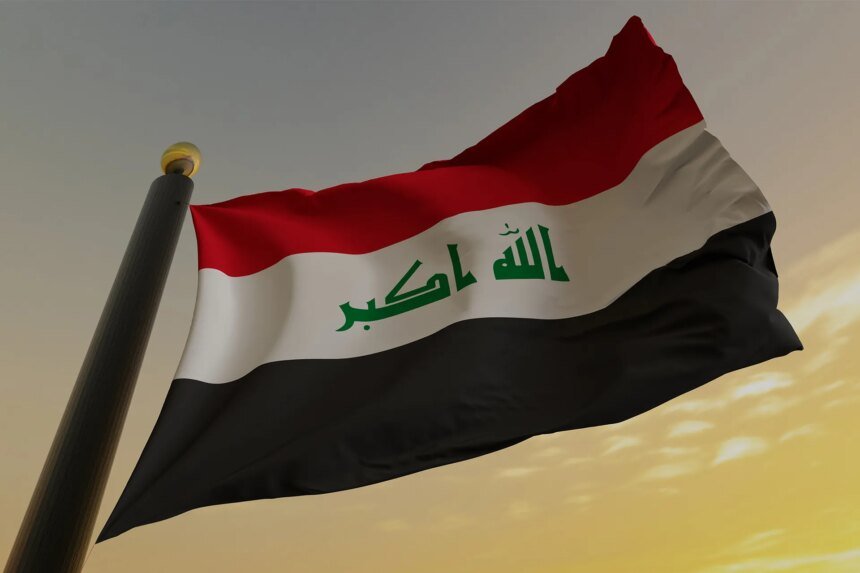
The International Financial Action Task Force (FATF) has included Iraq on the list of countries subject to “intensive monitoring” or what is known as the “gray list”, in a move that means subjecting its financial system to closer international monitoring with demands to implement additional reforms in the areas of combating money laundering and strengthening financial supervision.
The head of the group, Elisa de Anda Madrazo, said that the inclusion of Iraq came due to the need to address the risks associated with cash transactions, increase investigations into money laundering cases, and enhance the use of financial information, according to what was reported by Reuters.
The decision comes at a time when Baghdad seeks to attract foreign investments and revitalize the economy, as Iraqi Prime Minister Ali al-Zaidi has confirmed since taking office in May that economic reform and combating corruption are a priority for his government, and he also intends to visit Washington during July to strengthen economic and strategic relations with the United States.

The FATF explained in its statement that Iraq will work with the group to implement an action plan to address the identified deficiencies within an agreed upon time frame, with periodic follow-up of progress achieved.
The listing does not entail direct penalties, but it often prompts financial institutions and international banks to tighten auditing and compliance procedures when dealing with the listed country, which may increase the cost of financial transactions and transfers and affect the ease of flow of some foreign investments and financing.
The June update also included the inclusion of Bosnia and Herzegovina on the same list, while the Financial Action Task Force continues to periodically review the situations of countries subject to strict supervision to assess the extent of their commitment to financial and supervisory reform plans.
The decision returns Iraq to the “gray list” years after it left it, in an indication of the continuing challenges associated with developing the country’s regulatory and financial infrastructure, despite government efforts aimed at enhancing confidence in the economy and attracting foreign capital.