Published On 11/6/2026
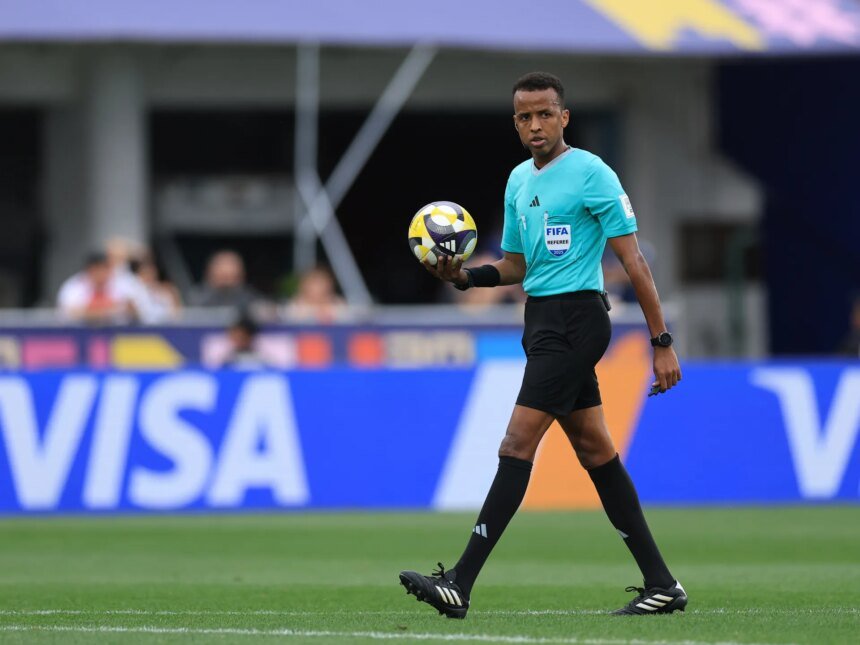
In a remarkable step that reflected solidarity with Somali referee Omar Abdelkader Arten, Canadian officials announced their explicit welcome to his presence to referee the matches hosted by their country within the 2026 World Cup, following his ban from entering American territory.
The Prime Minister of British Columbia, David Eby, welcomed Somali rule on the X platform, considering that his presence in Vancouver would be celebrated for the story of struggle it represents.
Read also
list of 2 itemsend of list
In turn, the Mayor of Toronto, Olivia Chao, expressed her objection to excluding Arten, describing the decision as “not the right thing,” stressing that Toronto opens its doors to talents who have struggled to reach this level. She announced that she would officially address FIFA to confirm that she would welcome him to referee in her city.
Can Artan arbitrate in Canada?
Despite this Canadian political momentum, the organizational reality of the World Cup made these calls merely a moral gesture that would not change the procedural course at all.
The obstacle beyond the calls of Canadian officials lies in the nature of the tournament structure. The International Federation of Association Football (FIFA) manages the referees through a central unit called the “First Team”. This system requires all referees to attend an intensive training camp in the United States, starting on May 31 and continuing throughout the tournament.
Since FIFA does not grant independent refereeing duties to each host country individually, excluding the referee from entering America technically means his exit from the “first team” system.
Without complying with the requirement to attend Miami for training and evaluation, it becomes impossible for Arten to include his name on the referee team for any match, whether in Toronto, Vancouver, or even Mexico.
From the “World Cup dream” to Miami Airport
The career of Omar Arten (34 years old) was a candidate to go down in history as the first Somali referee in the World Cup. Before his trip, Artan spoke to the BBC about the moment of his choice, describing it as the moment in which years of effort and sacrifices were completed.
The crisis began on June 6, when Arten arrived at Miami International Airport from Istanbul, armed with a diplomatic passport facilitated by the Somali embassy in Nairobi. However, his journey stopped at the American immigration gates. He was subjected to a thorough inspection, which ended with the decision of the US Customs and Border Protection authorities to deny him entry.
The authorities justified this due to “security concerns,” while reports from ESPN stated that the ban was due to “alleged connections with members of terrorist organizations.”
This development sparked widespread interaction, as Somali President Mohamed Farmaajo expressed his pride in Artan, describing him as a “national symbol.” On the other hand, the definitive response came from FIFA, which confirmed that Artan would not be able to participate, not because of her desire, but because he would not be able to attend the central gatherings.
Visa crisis in the “World Cup of Troubles”
Artan’s file is no exception in the 2026 version; The tournament witnessed similar tensions, including the detention of Iraqi striker Ayman Hussein at Chicago airport, the refusal to enter Iraqi team photographer Talal Salah, in addition to the strict restrictions imposed on the Iranian team’s movements, which raises questions about the extent to which American political and security considerations control the conduct of the global sporting event.