Published On 2/6/2026
Many people find special pleasure in lighting a candle during the shower, scenting the house before guests arrive, or running an essential oil diffuser while doing housework. But behind these comfortable scents, there is an invisible truth: these products release fine particles and materials into the indoor air, which you inhale daily without realizing it.
“Chemicals are in almost everything,” says Mary Bourgeois, a toxicologist at the University of South Florida, adding that “most scents and fragrance notes are essentially volatile organic compounds,” even if they are marketed as “natural” or “botanical.”
However, experts point out that there is no need to panic or throw away all scented products, but rather the risks can be reduced through conscious use and good ventilation.
“The refreshing scent”… what’s behind it?
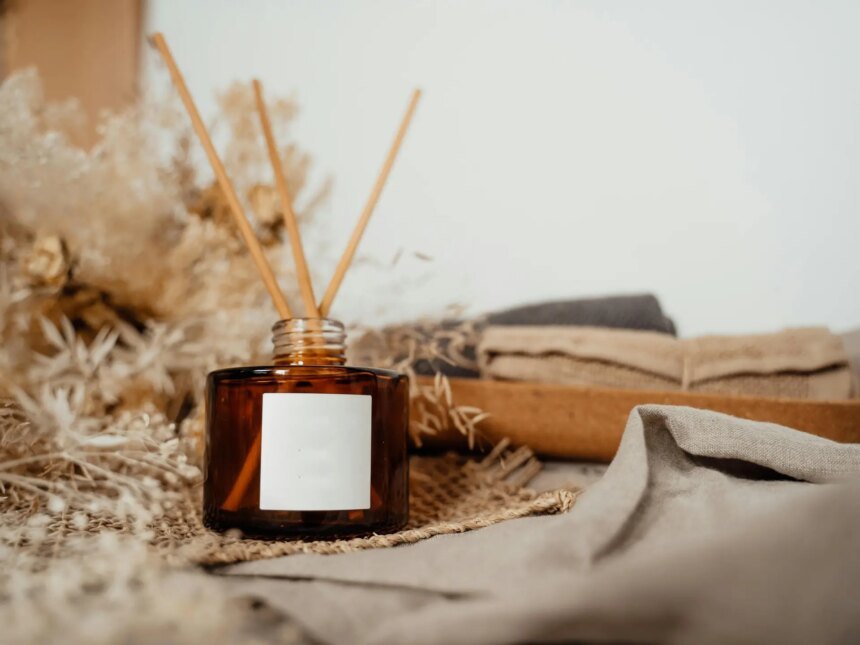
Scented candles, air fresheners and diffusers contain a mixture of compounds, of which there are two main types: volatile organic compounds and ultra-small nanoparticles.

Firstly:Volatile organic compounds
It is a huge group of gases emitted from solid or liquid materials, and includes substances such as benzene, formaldehyde, and acetaldehyde. They are found in paraffin candles, air fresheners, cleaning materials, paints, and even floor stoves and new carpets.
Bourgeois explains that these compounds are “very wide and diverse,” and that their danger varies according to concentration and duration of exposure. Respiratory doctors warn that inhaling it may cause irritation in the respiratory system, with symptoms such as coughing, throat irritation, shortness of breath, and wheezing.
Doctors add that people who suffer from asthma or chronic obstructive pulmonary disease are most likely to be affected. Chronic exposure may also be associated with deteriorating lung function, increased risk of respiratory infections, and possibly other chronic diseases, although most studies have focused on industrial sources such as building and cleaning materials, not candles specifically.
Second: Nanoparticles
Another less known but no less important problem is ultrafine particles that form when chemical vapors react with ozone in the air inside or outside the home.
For example, essential oil diffusers can release plant compounds that react with ozone to produce secondary pollutants such as formaldehyde and ultrafine particles.
Endocrinologists warn that these particles are so small that they can easily reach the depths of the lungs, and may be associated with an increased risk of heart and respiratory diseases, although more research is needed to accurately determine the extent of the risk.

Does this mean giving up household scents?
The answer is not necessarily yes. Experts say that “chemicals are in everything,” and odors — even natural ones — are often caused by volatile organic compounds.
But the degree of risk depends on several factors such as: product concentration, duration of use, home ventilation, and the person’s health condition.
How to make your home smell nice in a safer way?
Instead of completely abstaining from scented products, experts advise following simple steps to reduce exposure to risks:
- Ventilate the house well when using candles or perfumes.
- Reduce the number of times of use instead of intensive daily use.
- Choose products with less concentrated synthetic fragrances.
- Do not rely on scenting devices for long periods in enclosed spaces.
Ultimately, scents are a nice addition to a home, but understanding what’s going on in the air we breathe can help strike a balance between pleasure and health.