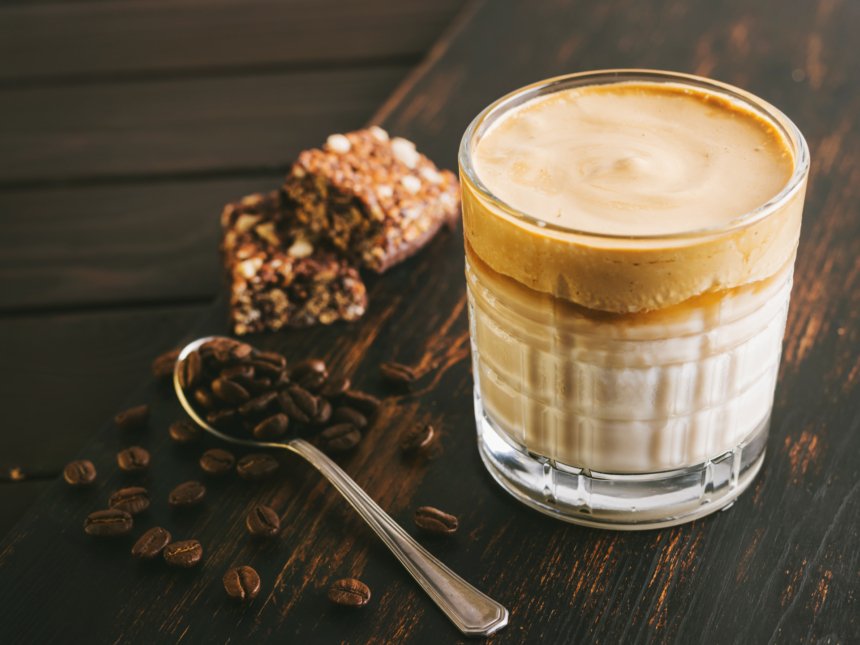
Protein coffee, or what is known as “Proffee” for short, is one of the latest trends among coffee and fitness lovers, as it is presented as a quick way to combine the stimulating effect of caffeine with a dose of protein, and international cafes were quick to include it in their menus.
Many believe that it may be the next trend in the world of coffee, especially among Generation Z, after its widespread spread in the United States in recent months. But what explains its popularity? Why do people look for more than a dose of caffeine in their morning cup?
Read also
list of 2 itemsend of list
What is protein coffee?
“Profi” is usually prepared by whisking coffee – often cold coffee – with protein powder, then adding flavors such as vanilla or whipped cream, and it can be served hot or iced.
Fans of this drink believe that combining caffeine – with its role in combating fatigue – with protein, which is beneficial for building muscle, improves athletic performance and helps lose weight thanks to increasing the feeling of fullness.
In fact, the benefits of this drink depend mainly on the quantity and quality of the added protein, while its calories vary depending on the additional ingredients, such as flavors, cream, and others. This combination actually gives a boost of energy, as getting caffeine and protein together contributes to revitalizing the body.
Drinking protein coffee about 20-30 minutes before exercise may improve muscle contraction and help combat fatigue. It also allows the protein portion to be distributed over different periods of the day, which enhances the body’s benefit from it. It may also support weight loss by enhancing metabolism and increasing satiety, but all of this remains related to the method of preparation and quantity.

Is combining coffee with protein really necessary?
Websites specializing in nutrition and fitness – such as “Vitonica” – point out that combining coffee and protein powder does not create additional “magical benefits”, as almost the same results can be obtained by consuming coffee and protein at two close times, but separately.
Protein powder remains a nutritional supplement that not everyone needs. Many people can cover their daily protein needs through protein-rich food, such as meat, eggs, legumes, and dairy products.
One of the weaknesses of protein coffee is that the quality of its protein is often lower in quality than the protein found in whole foods, which also give us vitamins, minerals, and other nutrients. Also, achieving an acceptable taste in this drink prompts many people to add artificial sweeteners and flavors, which in turn may carry risks such as contamination with heavy metals or excessive hidden sugars.

Benefits depend on the ingredients
According to the Health Cleveland Clinic website, the benefit of protein coffee depends on the type of ingredients used in it, and therefore nutrition experts advise the following:
- Choose protein powders that are as free as possible from artificial sweeteners and flavors.
- Pay attention to the amount of caffeine in the drink, especially for those who suffer from caffeine sensitivity or sleep problems.
- Do not exceed the normal daily requirement of protein, as excess does not mean additional benefit.
It is also best to try to add a natural flavor – such as a sprinkle of cinnamon – instead of relying on artificial sweeteners and flavours.
Despite its popularity, protein coffee is neither a substitute for a balanced meal nor a diet rich in protein from a variety of sources. It is more of an “extra boost of energy” than a complete nutritional solution.

Where do the risks stand?
Like any caffeine- and protein-rich drink, Profi needs some attention:
- Excessive caffeine may increase stress and anxiety and negatively affect sleep quality.
- Excessive protein – especially for those with kidney or heart problems – may exacerbate some health risks if it continues for a long time.
However, protein coffee may be a practical option for those who do not have time for a full breakfast, as it provides a sufficient amount of protein and reasonable calories, and protein powder may be a less harmful alternative to some coffee creamers that are full of sugar and trans fats, provided that you choose a good type and control the quantity.

What do we order from our morning drink?
Generation Z trends are pushing the global coffee industry in a new direction. The spread of drinks such as protein coffee and “immune-boosting” sparkling drinks reveals consumers’ desire for more than just a flavor or a dose of caffeine in their daily rituals.
These trends don’t seem to threaten classic coffee options like espresso, but they are finding popularity among the health conscious, who are looking in a cup of coffee for:
- Antioxidants.
- Anti-inflammatory ingredients.
- Elements believed to boost brain health, immunity, or energy levels.
In the background, the wave of “protein obsession” and the quest to add it to almost everything cannot be ignored, as monitored by press reports such as “The Guardian”. This phenomenon reflects an accelerating lifestyle that prompts us to try to integrate the greatest amount of benefits into one product, to the point that the cup of coffee itself has become a version of “multitasking”, moving from the phone screen to what we eat and drink.
This indicates that many people are no longer satisfied with the effect of caffeine in their morning drink, but are looking to go beyond alertness: supporting immunity, boosting energy, and improving mental and physical performance, all in one sip.
Protein coffee is neither a magic drink nor a ready-made recipe for health, but it is part of a broader wave in which foods and drinks are trying to offer us more than what we are accustomed to asking for from a small cup of coffee.