Published On 4/29/2026
|
Last update: 06:17 (Mecca time)
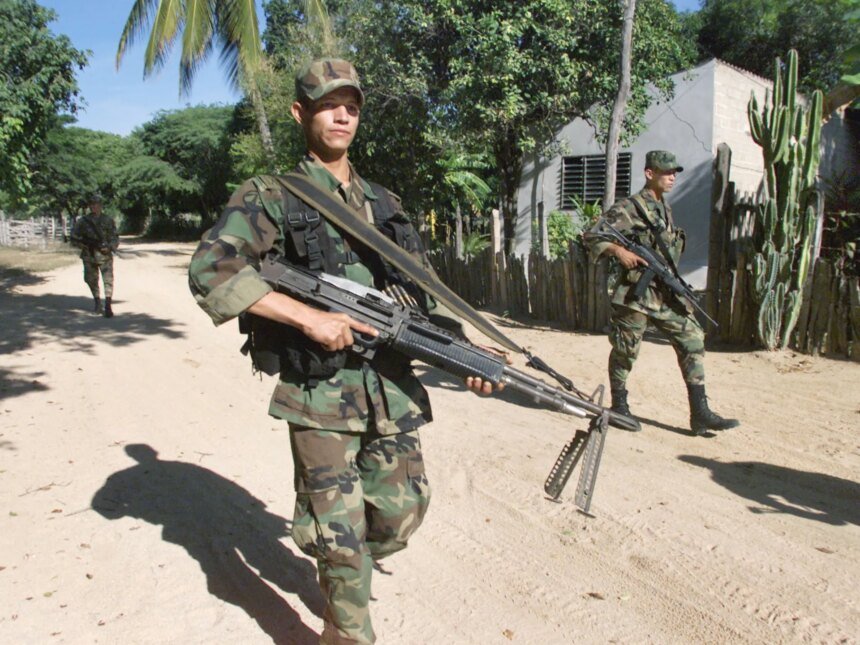
The Special Peace Tribunal in Colombia reported on Tuesday that the number of civilians killed by the army during the Colombian internal armed conflict had risen to 7,837 civilians, 1,400 more than previously thought, after they had been falsely registered as rebels.
This revelation is not a precedent of its kind, as the “Special Jurisdiction for Peace” had previously announced in 2021 that 6,402 cases of misinformation had occurred, that is, the killing of civilians and registering them as dead rebels, with the aim of exaggerating the achievements of the Colombian army, between 2002 and 2008.
But yesterday, Tuesday, it announced that the real number was higher by more than 20%, after expanding the time period of the investigation to extend between the years 1990 and 2016 instead of between 2002 and 2008, and after receiving information from new sources, as the head of the commission, Alejandro Ramey, said, during a hearing, that “it is very likely that this new number will rise in the future.”

The commission was established under the historic peace agreement concluded in 2016 with the forces of the Marxist-oriented FARC rebel movement, and was charged with investigating the most serious crimes committed during a rebellion that lasted half a century.
For his part, Colombian President Gustavo Petro described this phenomenon as “the worst crime against humanity committed in the Americas during this century.”
It is noteworthy that most of the killings occurred during the term of President Alvaro Uribe between 2002 and 2010, who is known for his tough crackdown on the rebels.

A number of military personnel – including senior officers – admitted before the commission to killing young men and presenting them as rebels, as this was sometimes done under pressure from their superiors according to their justification. In some cases, the victims were dressed as fighters and their bodies were displayed to the media, in what was considered the biggest scandal in the history of the Colombian army.
On the other hand, last year, the court sentenced a group of former soldiers accused of killing 135 civilians to 8 years of “reparations procedures,” which is a punishment that obliges the convicts to carry out work that directly serves society and the victims, as the authority grants alternatives to imprisonment for those who confess to their crimes and provide compensation to the victims.
It also ordered seven FARC leaders to participate for eight years in activities aimed at community healing, against the backdrop of more than 21,000 kidnappings carried out by the movement.