Published On 4/27/2026
Dozens of wounded Palestinians returned to the Gaza Strip after a treatment trip abroad, amid scenes in which the hardship of travel was mixed with the joy of arrival in light of the complex humanitarian reality that the Strip is experiencing, as the returnees insist on clinging to their land despite the destruction and loss of the basic necessities of life.
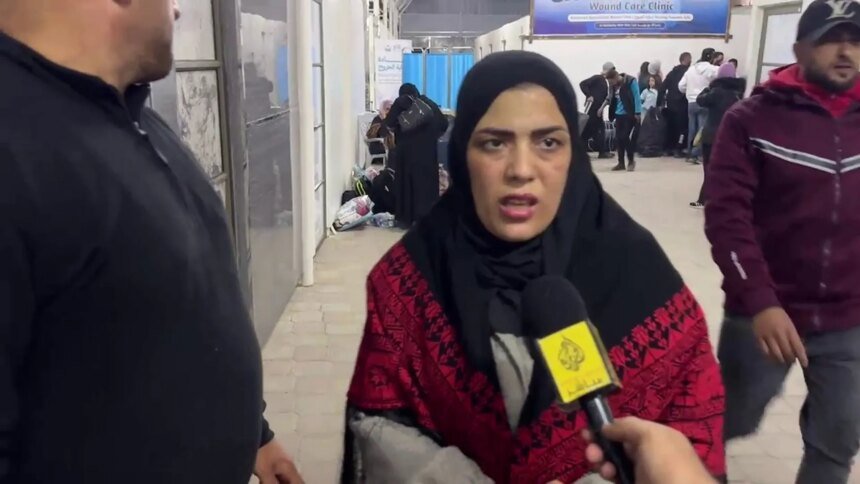
Speaking to Al Jazeera Mubasher, one of the returnees described her journey as “arduous and tiring,” but she praised the care she received in Egyptian hospitals, stressing that she received good humane treatment and attention to her health condition, with promises to continue her treatment in the future through new referrals.
When speaking about the moment of return, she said that her feeling was “indescribable,” before stopping at the reality of Gaza, which she described as sad, in reference to the extent of the devastation caused by the war, which was reflected in an emotional scene that brought her together with members of her family after a long absence.
Those returning to the Gaza Strip arrive via buses to the city of Khan Yunis after leaving the Rafah crossing, and are received by their relatives. Many of them are forced to stay in tents in a shelter center, after the occupation forces destroyed their homes.
The hardship of the journey
In turn, another returnee confirmed that the travel journey was difficult due to inspection procedures, but she stressed her commitment to returning to Gaza, saying that she would not leave it again, considering that staying in a tent inside the Strip is better than living outside it.
She explained that Gaza “remains beautiful despite its bitterness,” expressing her hope for its reconstruction despite the loss of her son during the treatment trip, as she spoke about his suffering with the disease before his death.
In the same context, one of the returnees narrated the details of what he was exposed to while crossing the crossing, noting that he was subjected to restrictions, searches, and the confiscation of his belongings by the occupation soldiers, stressing that all of this did not change his desire to return to Gaza.
The young man said that returning to the Gaza Strip represents the only option for him, adding that life in Gaza, despite its harshness, is still better than exile.
The occupation practices harassment measures against the returnees, including security interrogation, forcing them to wait for long hours in harsh conditions, searching them in a humiliating manner, and confiscating many of their belongings.
The joy of returning
An elderly woman expressed her joy at returning after a long treatment journey, despite the difficulties she faced along the way, stressing that the most important thing in the matter was returning to her family, even if that was in a tent amid difficult living conditions.
Her son indicated that their absence lasted about two and a half years, describing the moment of return as an “indescribable joy,” stressing that his mother’s safety represents for him the most important thing achieved after this long journey.
This return comes at a time when the Rafah crossing is still operating to a limited extent, after it was partially reopened after a long closure, which complicated the travel of sick and wounded people who face great difficulties in accessing treatment outside the Strip.
The war launched by Israel, with American support, on the Gaza Strip, which lasted for two years, left widespread destruction, along with tens of thousands of martyrs and wounded, which made the need for treatment abroad an urgent necessity in light of the collapse of the health sector inside Gaza.
Despite these challenges, the testimonies of the returnees reflect a clear commitment to remaining in Gaza, and an insistence on adapting to its difficult reality, at a time when the people of the Gaza Strip continue to suffer due to Israeli violations of the terms of the ceasefire agreement that entered into force on October 10, 2025.