Published On 4/26/2026
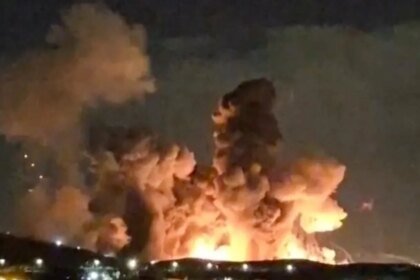
The repercussions of the US-Israeli war on Iran affected the economic and financial situation in Europe, in terms of inflation, growth and energy, in light of the region’s dependence on energy imports from abroad.
The International Monetary Fund reduced its growth expectations for the euro zone from 1.4% to 1.1% in 2026, at a time when the inflation rate rose from 1.9% last February to 2.6% last March, driven by a significant rise in energy prices.
Read also
list of 4 itemsend of list
The repercussions of the war revealed the limitations of the economic model in the Eurozone (which includes 21 countries), in exchange for the weak margin of action to limit the continued recording of negative indicators as a result of the oil shock, especially since it imports about 80% of its energy needs, according to a report by the Anatolia Agency.
Oil price fluctuations
The European Investment Bank said that the European Union’s economy is still vulnerable to oil price fluctuations, especially in the transportation sector, as it has become dependent on liquefied natural gas after Russian gas supplies dried up during the 2022 crisis (the war in Ukraine).
He added, in a report issued on April 20, that natural gas is a major source of heating, while Europe currently needs to replenish its stock of liquefied natural gas after a relatively cold winter, at prices that may rise by 70% if the conflict continues.
The report quoted Fotios Kalantzis, the bank’s chief economist and specialist in climate and energy transition, as saying that “price volatility is a fuel import tax,” asking: “How long will prices continue to rise?”
He considered that the only “long-term” solution depends on investing in clean infrastructure and shifting spending away from fossil fuels.
According to the report, high energy prices hinder European competitiveness, as the electricity prices paid by European Union companies are nearly double those in the United States (226 euros/MWh compared to 139 euros in 2024), and gas prices in the European Union were three to five times higher than in the United States in the same year.

Economic damages
In light of these fluctuations, economic expert Zuhair Al-Khayar told Anadolu Agency that the damage to Europe is not only related to its internal economy, but is mainly due to its heavy dependence on energy and global trade.
He added that European countries were greatly affected by this war, in addition to the impact on international trade, for several reasons, most notably the rise in oil prices and disruptions in shipping and transportation of other goods.
Direct threat
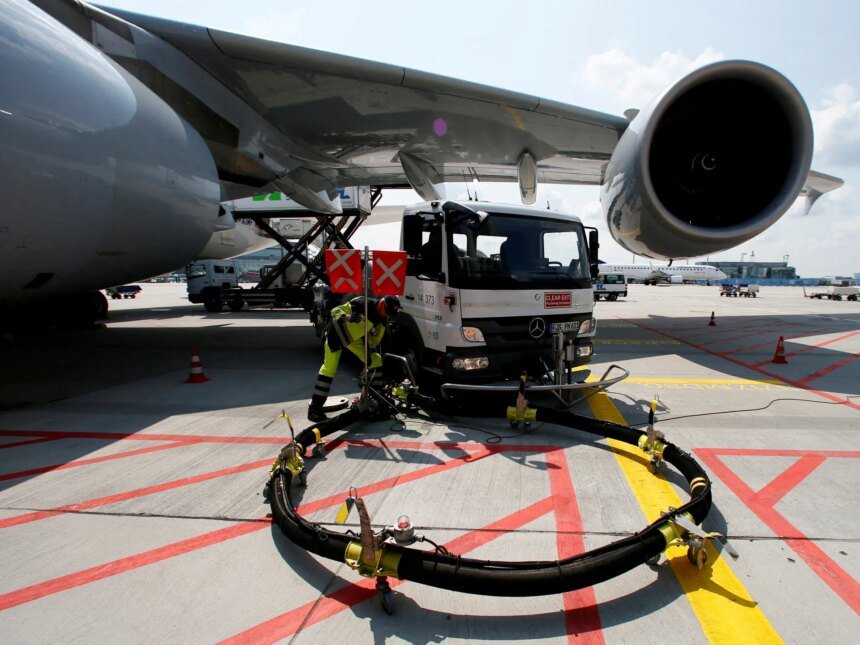
In terms of impacts, Europe’s dependence on energy imports was reflected in the transportation sector, and the Executive Director of the International Energy Agency, Fatih Birol, said that Europe has reserves sufficient for only about 6 weeks of aviation fuel, warning of “the possibility of canceling flights soon” if oil supplies continue to be disrupted due to the war.
Here, Zuhair Al-Khiar expected this economic impact to worsen if any additional military escalation erupted, stressing that the war revealed imbalances in the region, especially in the energy sector.
He added that if the war continues, this decline may extend to the industrial sector as well, even though the Eurozone is considered an industrial power thanks to its possession of an advanced production base and integrated supply chains.

Persistent imbalances
Regarding “energy fragility,” Al-Khiar said that it is not the result of this war, but rather goes back to what came before it, indicating that Europe is currently working to diversify energy sources, expand its capabilities, and improve efficiency.
He added that Europe is still more vulnerable to pressure in light of this war, due to the absence of complete independence in the energy sector so far.
The European Investment Bank believes that Europe has invested heavily in renewable energies such as wind and solar energy since the 2022 crisis, as these sources provided about half of its electricity needs in 2024 and 2025, in an attempt to reduce dependence on fossil fuels and mitigate the impact of external shocks.